The trend of kitchen cabinet organization in 2026 is credited to the American home, which is doing a lot of multitasking, with the kitchen also operating as an office, gathering place, and creative zone. On Pinterest, users are not just collecting aesthetically pleasing images of the kitchen; they want to create aesthetically pleasing and functional cabinets to make their lives easier. In this guide, we will discuss the kitchen cabinet organization ideas that are functional and that will support the remodeling of the American home in 2026.
1. Zone-Based Cabinet Layouts
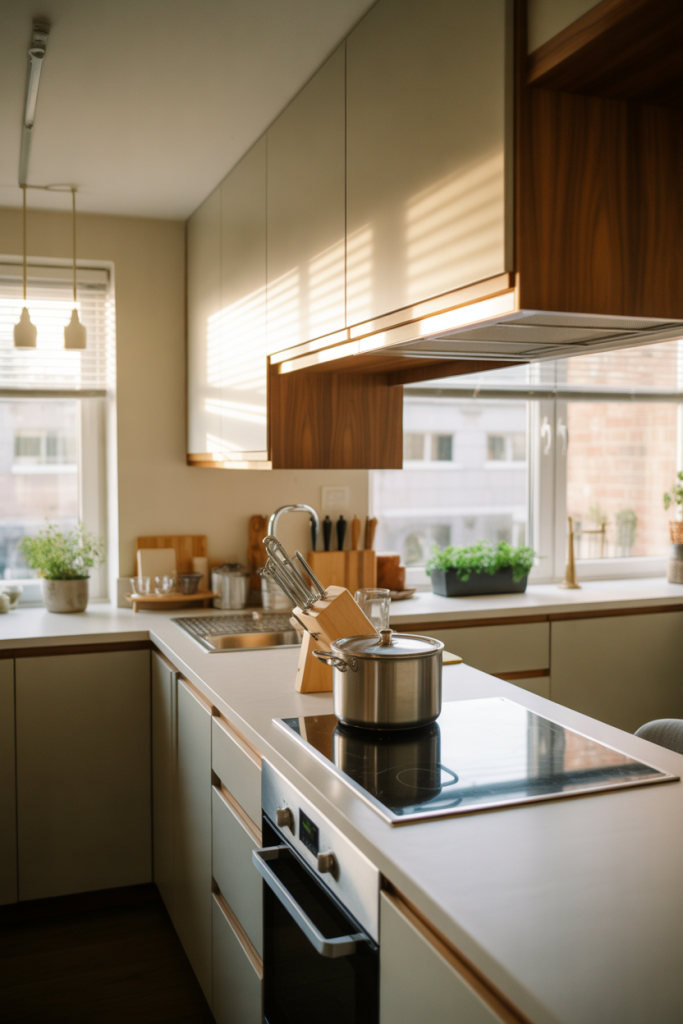 For 2026, one of the most prominent and strong kitchen cabinet organization trends is separating the layout from the ‘habit’ approach. Rather than scattering the kitchen items and intuitively using the cabinets, the organized plan of the zones will prep, cook, and clean separate zones. These ideas focus on intention storage, making every cabinet feel purposeful and calm. The result is a kitchen that flows naturally, even during busy mornings or dinner rushes.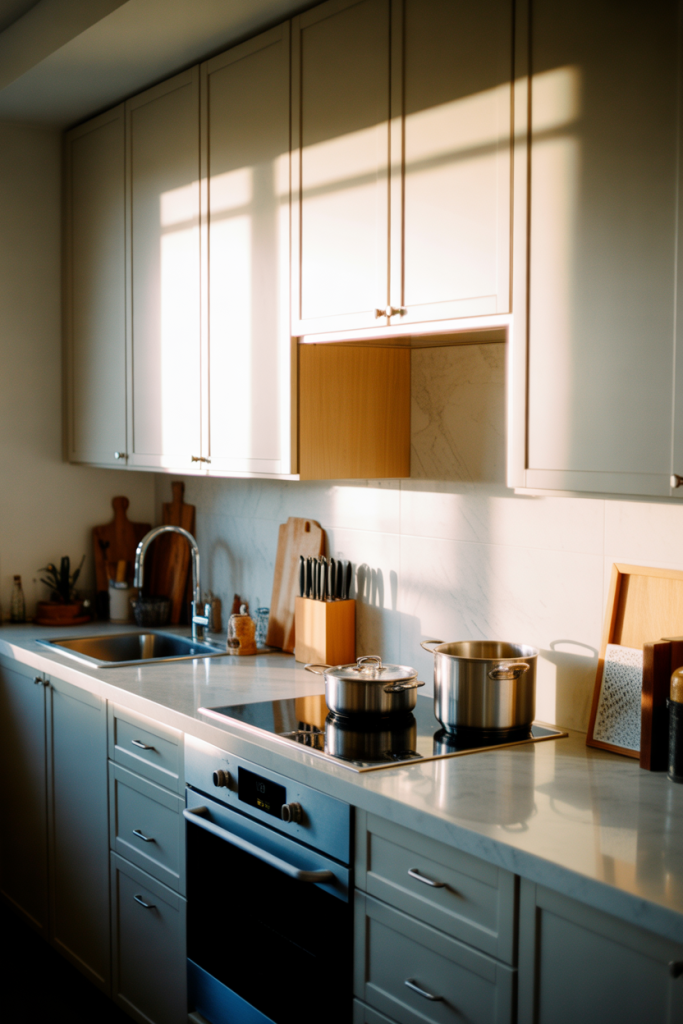
The practical insight here is simple: store items where you use them most. Cooking tools near the stove, cutting boards by the prep space, and cleaning supplies under the sink reduce daily friction. This approach doesn’t require new cabinets—just thoughtful rearranging—and it’s often the fastest way to make a kitchen feel professionally organized.
2 Smarter Corner Cabinet Solutions
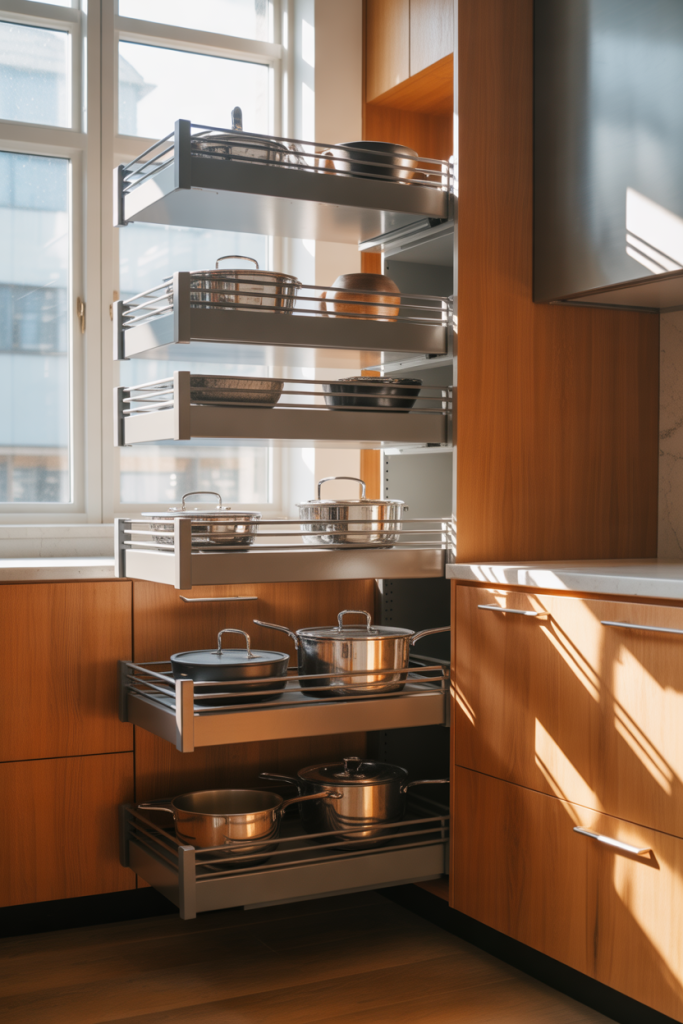 Awkward corner cabinets are finally getting the attention they deserve. In 2026, homeowners are rethinking how to store pots, pans, and large items that once disappeared into dark corners. With rotating shelves and pull-outs, these overlooked spaces become functional storage zones that feel surprisingly accessible.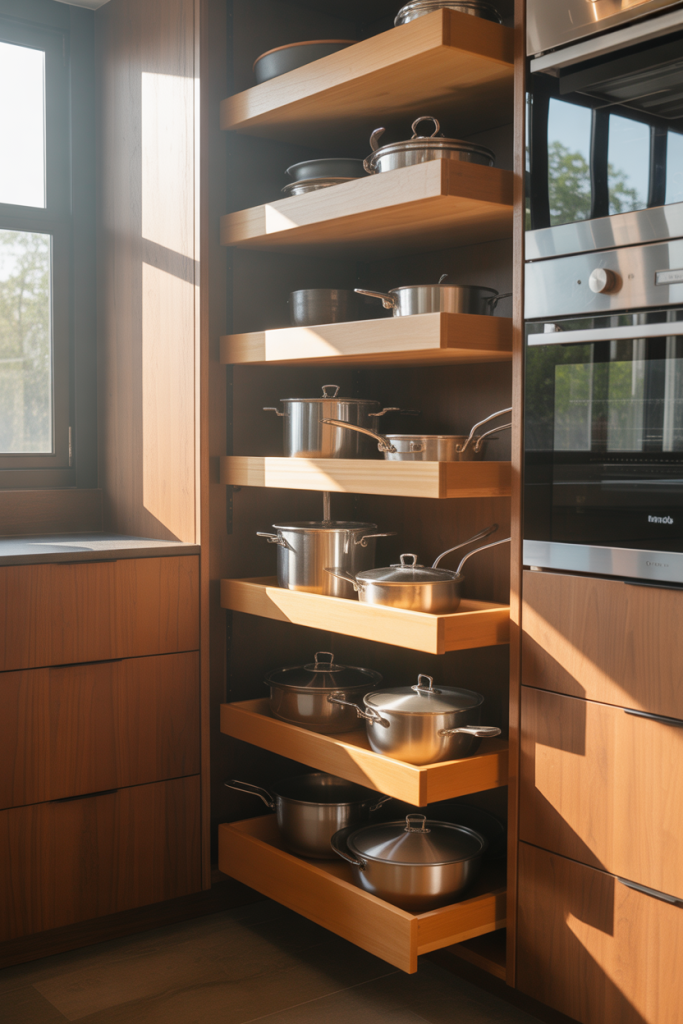
Where this works best is in L-shaped and U-shaped kitchens, especially in suburban homes where cabinet space is generous but poorly accessed. Upgrading a single corner cabinet often unlocks storage you didn’t realize you had, making the entire kitchen feel larger and more efficient.
3 Drawer-Based Food Storage Systems
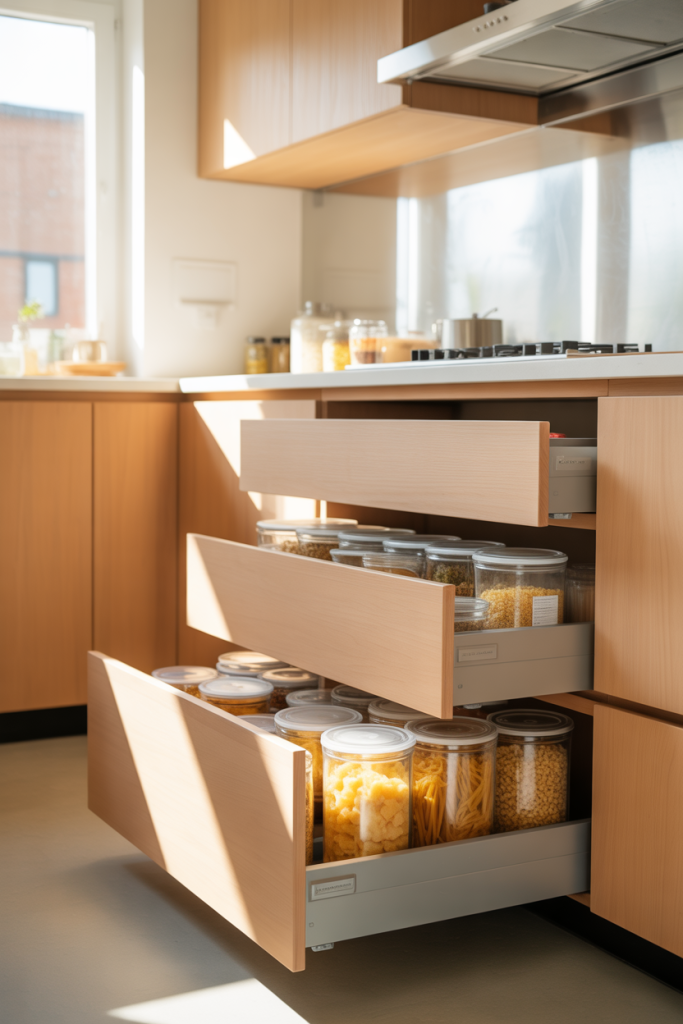 Traditional shelves are giving way to deep storage drawers designed specifically for food organization. From grains to snacks, drawers offer visibility and easy access that upper shelves often lack. This pantry-style approach inside cabinets feels intuitive and modern, especially for families who cook daily.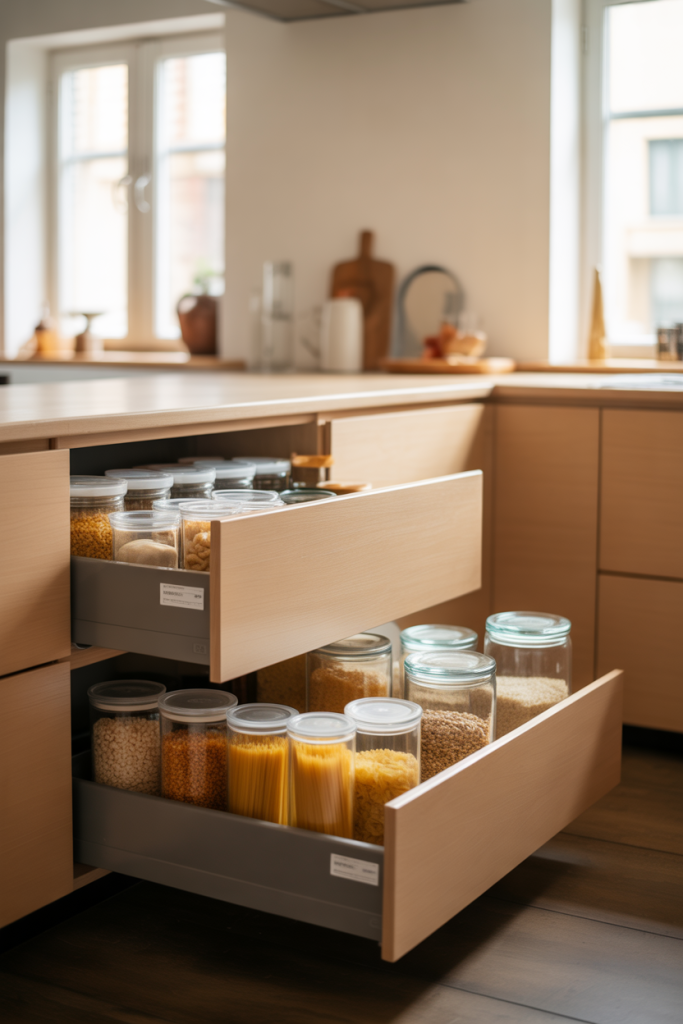
From a budget perspective, this is more achievable than it looks. Many homeowners retrofit existing cabinets with drawer kits instead of full remodels. It’s a mid-range investment that dramatically improves usability while adding long-term value to the kitchen.
4 Plate Storage Inside Cupboards
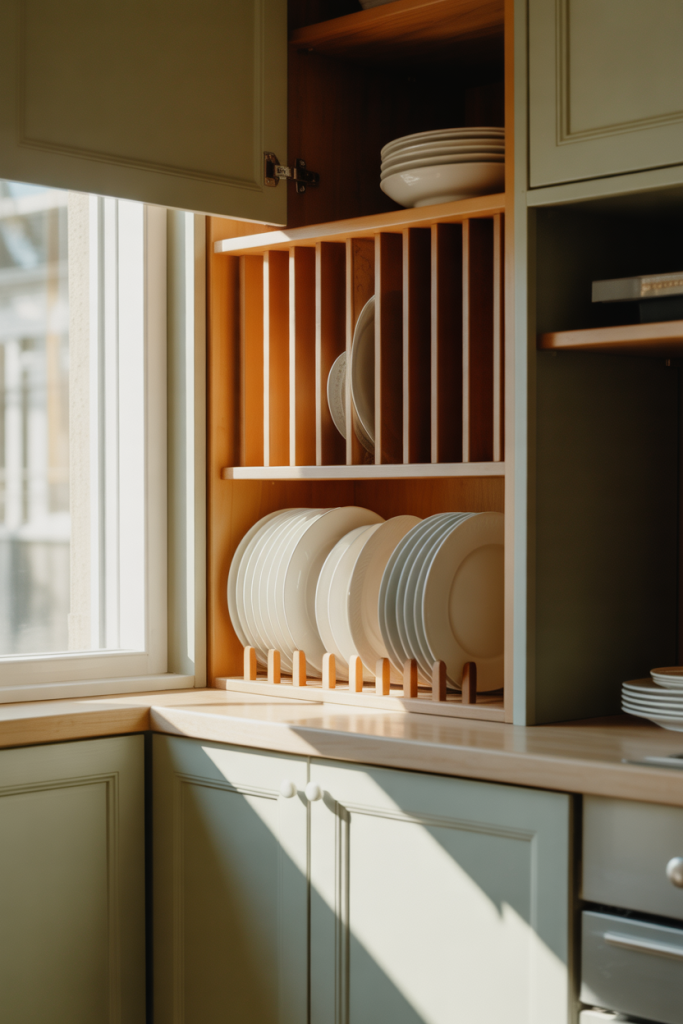 Storing plates vertically inside cupboards is one of those organization tips that feels small but changes everything. Instead of stacking, dishes slide in and out easily, reducing noise, chips, and daily frustration. It also creates a clean, orderly look when cabinets are opened.
A common mistake is placing plate dividers too high or too deep. Keeping them at waist-to-chest height prevents awkward lifting and makes daily meals smoother. The goal is comfort, not just visual order.
5 Utilizing Upper Cabinets More Effectively
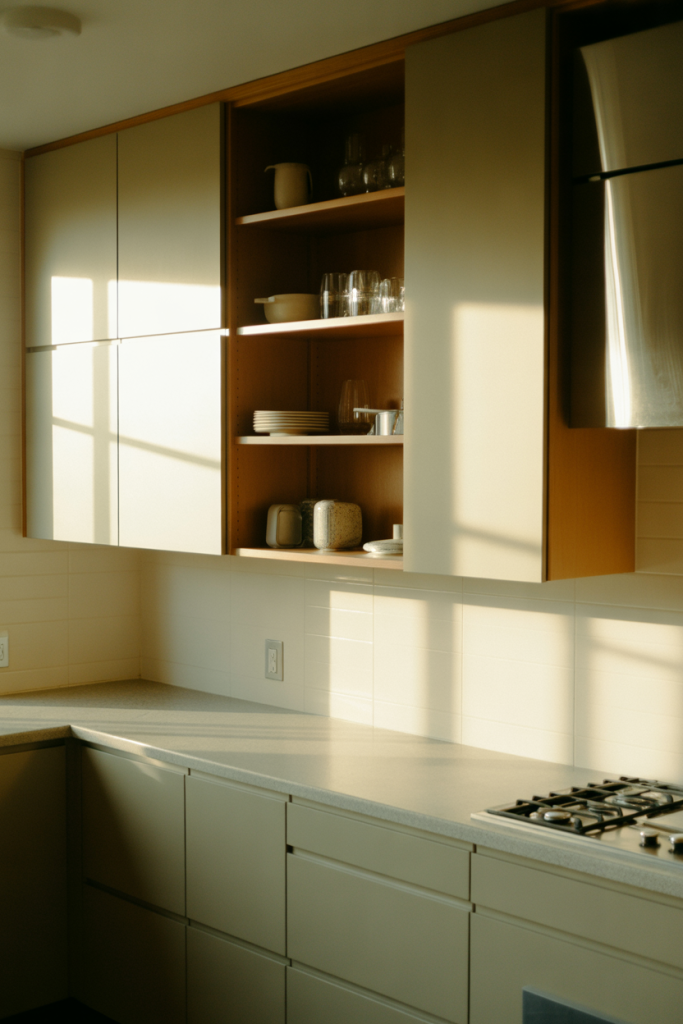 Upper cabinets are being used more effectively in 2026, particularly for lighter items and daily dishes. Instead of compacting to the point of overfilling, homeowners are leaving space to achieve an aesthetic that feels open and calm. It’s less about maximum storage and more about smart balance.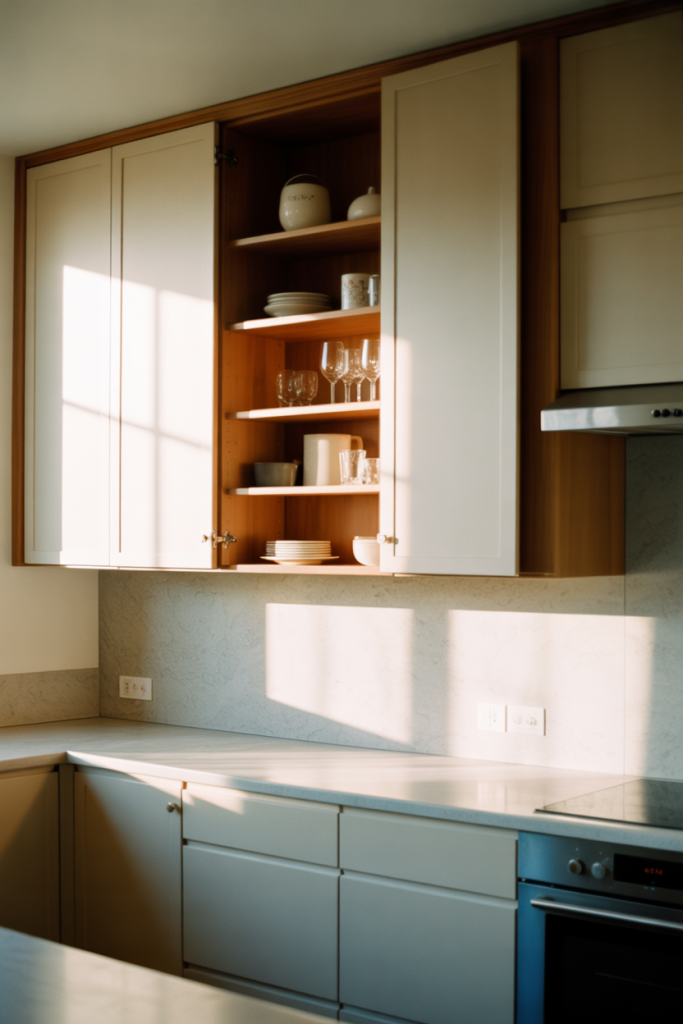
This approach reflects American lifestyle shifts toward simpler, more mindful living. In many homes, especially on the coasts, kitchens are designed to feel lighter and less packed, supporting both entertaining and everyday calm.
6 Ikea-Inspired Modular Cabinet Interiors
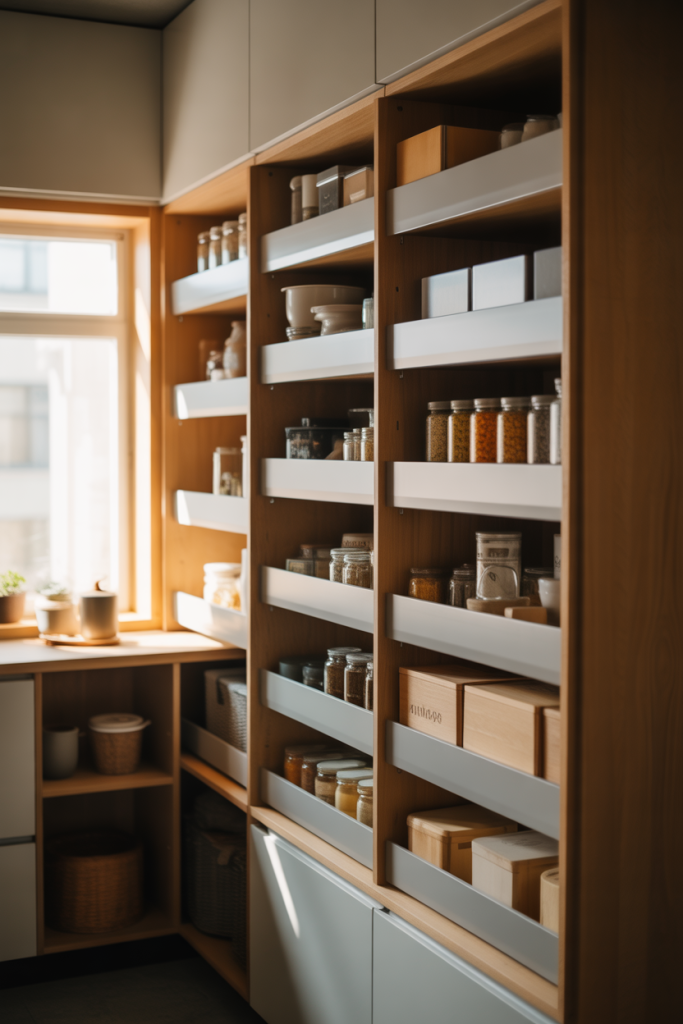 Modular inserts like those from Ikea greatly simplify organizing cabinets inside custom work. Homeowners can adjust and personalize their racks, bins, and dividers to suit their pantry and cabinet needs over time.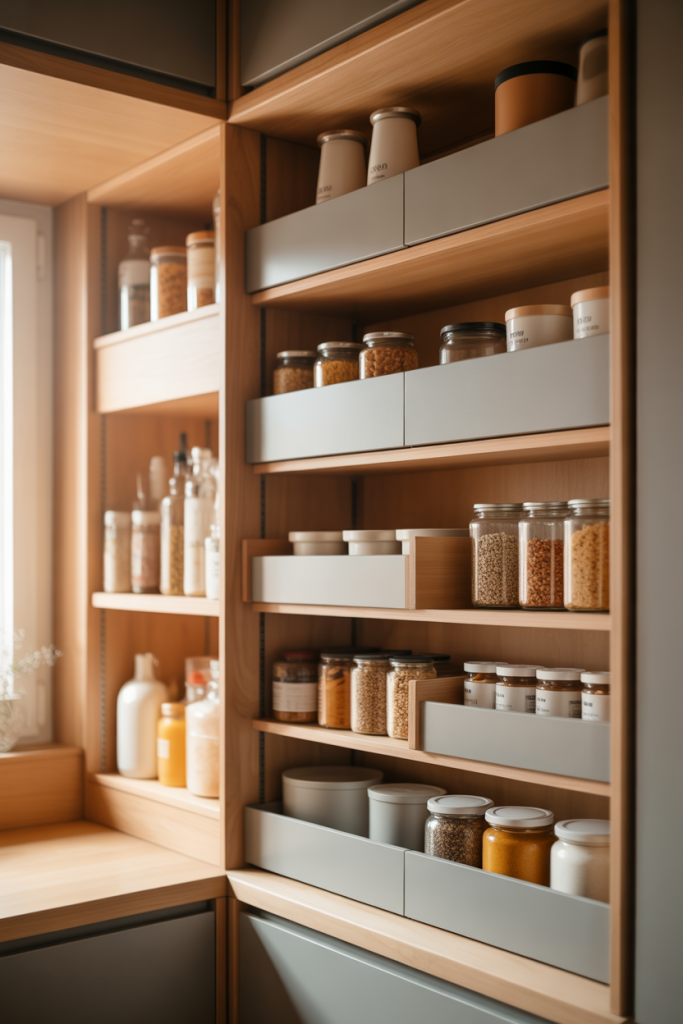
From an expert perspective, flexibility is key. The kitchen is one of the most dynamic areas of the home. As families change and habits shift, modular systems continue to be one of the smartest long-term organizational investments to avoid constant renovations.
7 Lower Cabinet Storage for Heavy Items
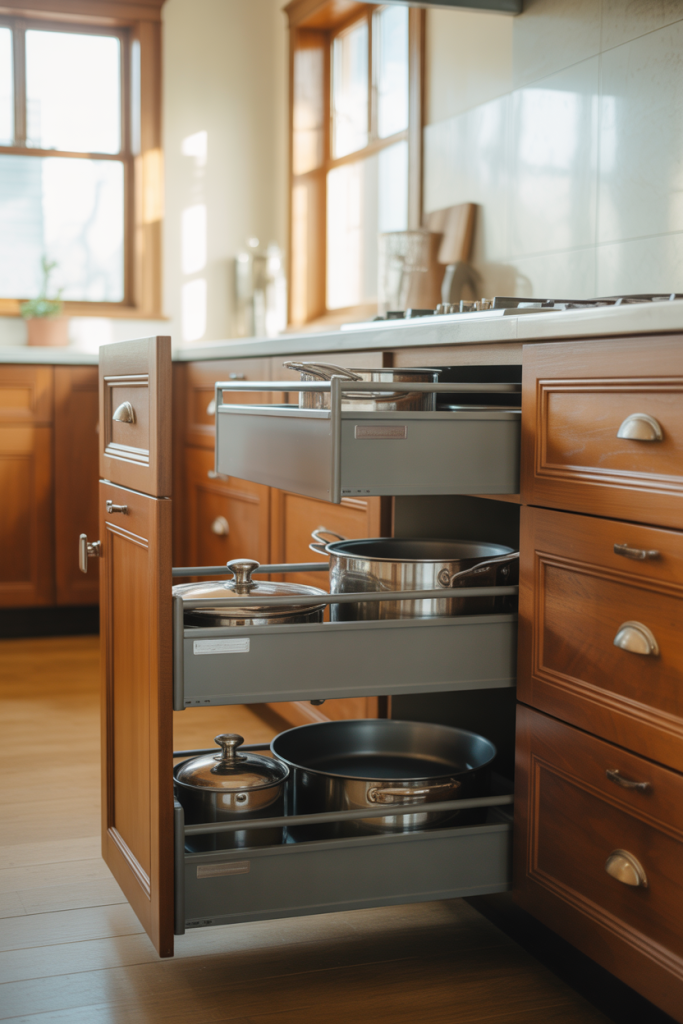 Deep lower cabinets are now optimized for heavy cookware like pots and pans. Pull-out shelves and reinforced drawers reduce strain while improving access. This type of storage prioritizes comfort as much as capacity.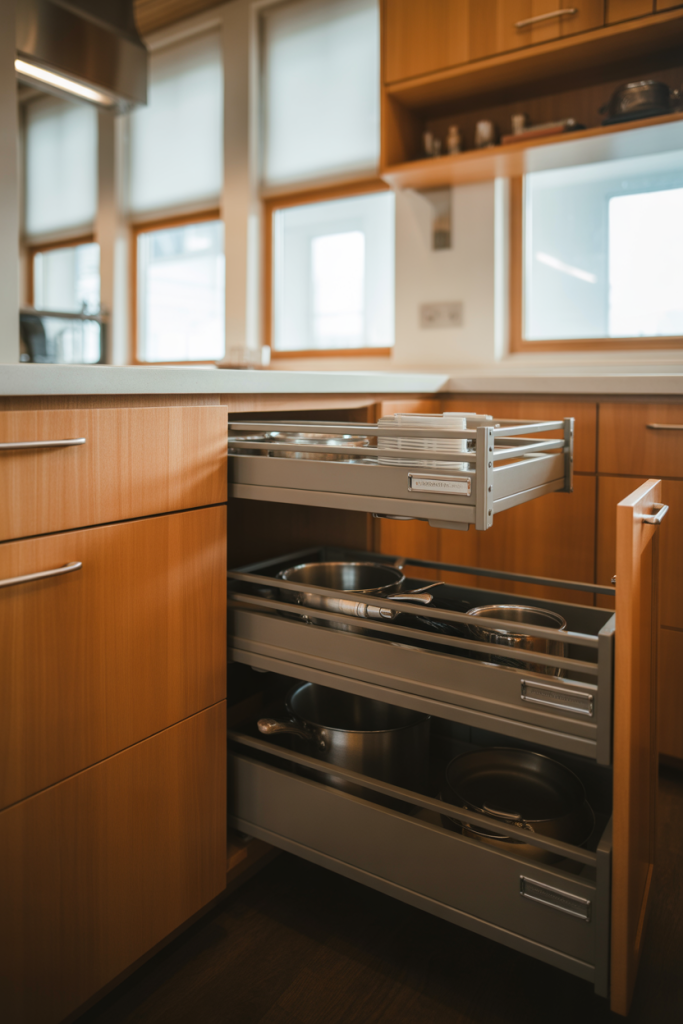
Real homeowner behavior shows that once heavy items move to pull-outs, people actually enjoy cooking more. Less bending and lifting means less fatigue, especially in households where cooking happens daily.
8 DIY Spice and Small Item Organizers
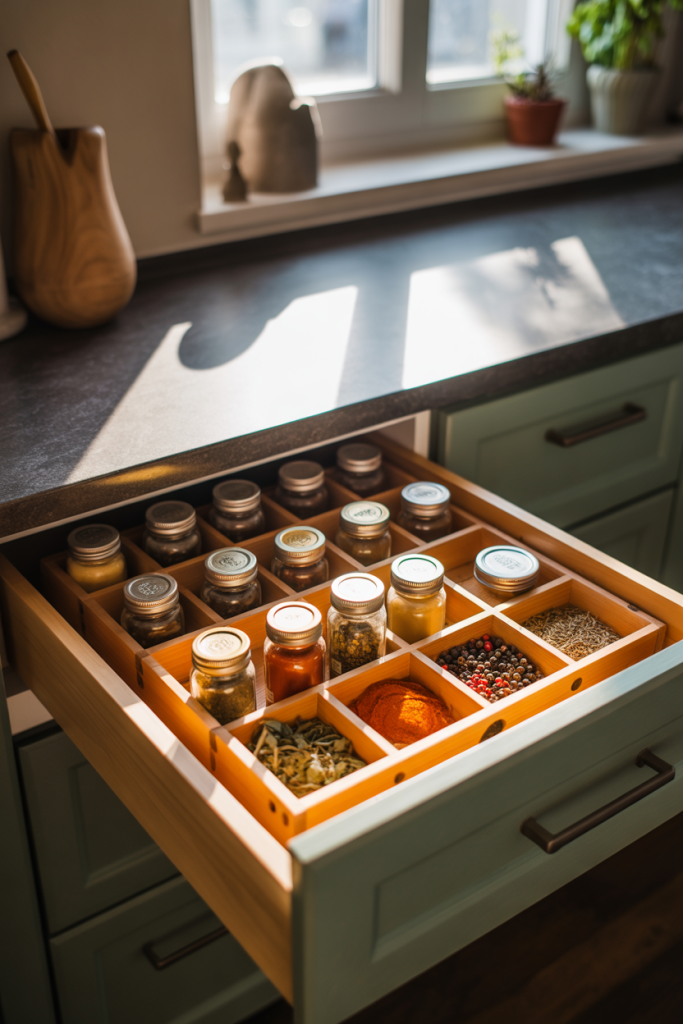 Creative DIY solutions for spices and small tools are trending hard in 2026. From custom inserts to repurposed trays, these projects add personality while keeping cabinets tidy and aesthetic.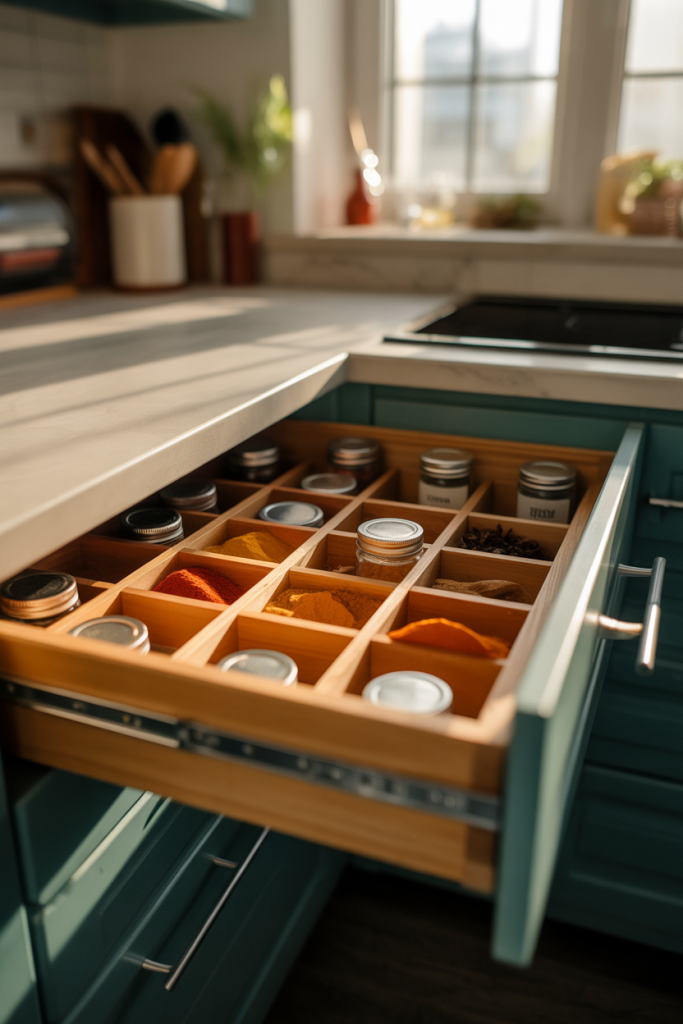
I remember one Sunday spending an afternoon reorganizing a spice drawer using some leftover wood pieces. That one small project saved me several minutes each night while cooking—proving that small DIY changes have huge impacts on your daily routines.
9 Dish Storage That Reduces Daily Chaos
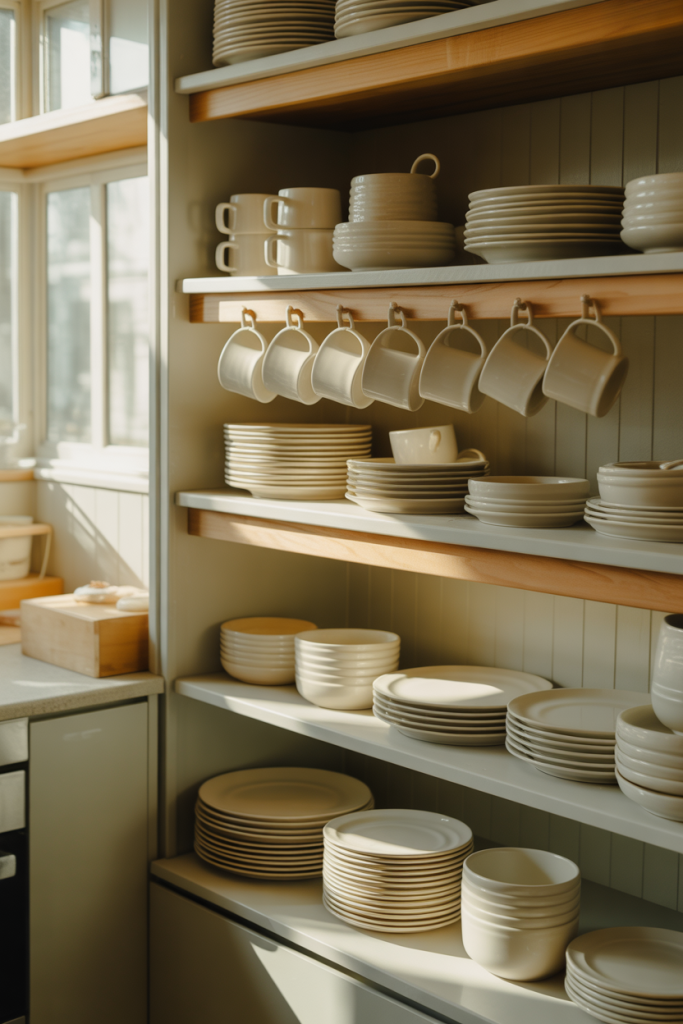 Organizing dishes by use—not by type—is one of the most effective kitchen cabinet tips right now. Everyday plates, bowls, and mugs are grouped together, while occasional pieces move elsewhere. This keeps the kitchen running smoothly.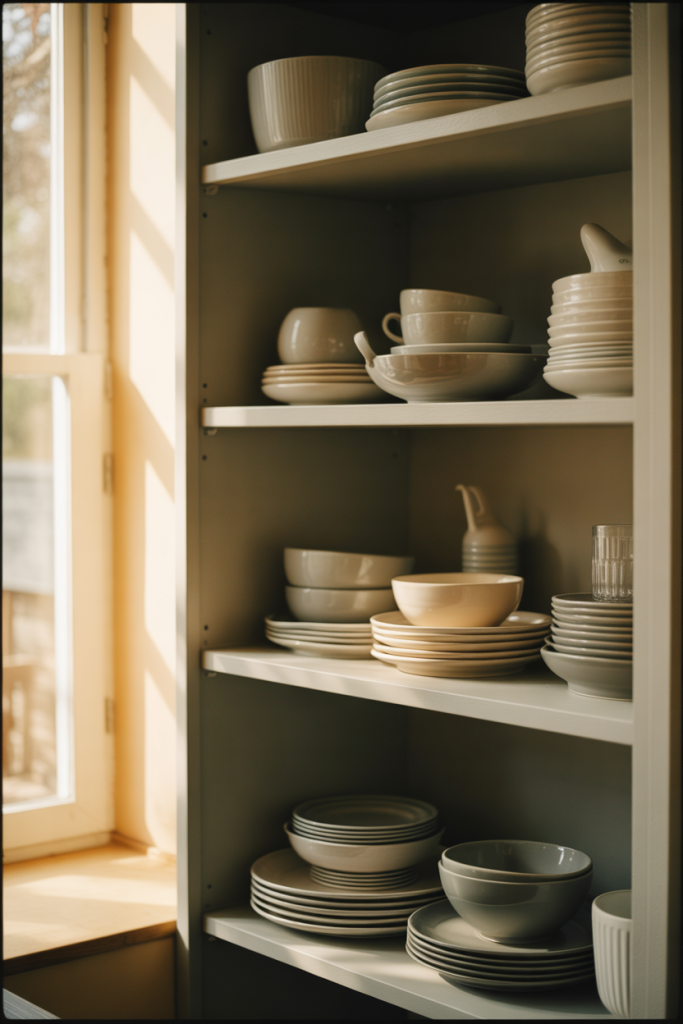
The practical insight here is about reducing decisions. When the most-used items live together, mornings feel faster and less cluttered—a subtle but powerful shift in daily rhythm.
10 Cabinet Organizations for Small Apartments
 In an apartment kitchen, especially a narrow one, cabinet organization must work harder. Vertical dividers, slim pull-outs, and compact storage solutions maximize every inch without overwhelming the space.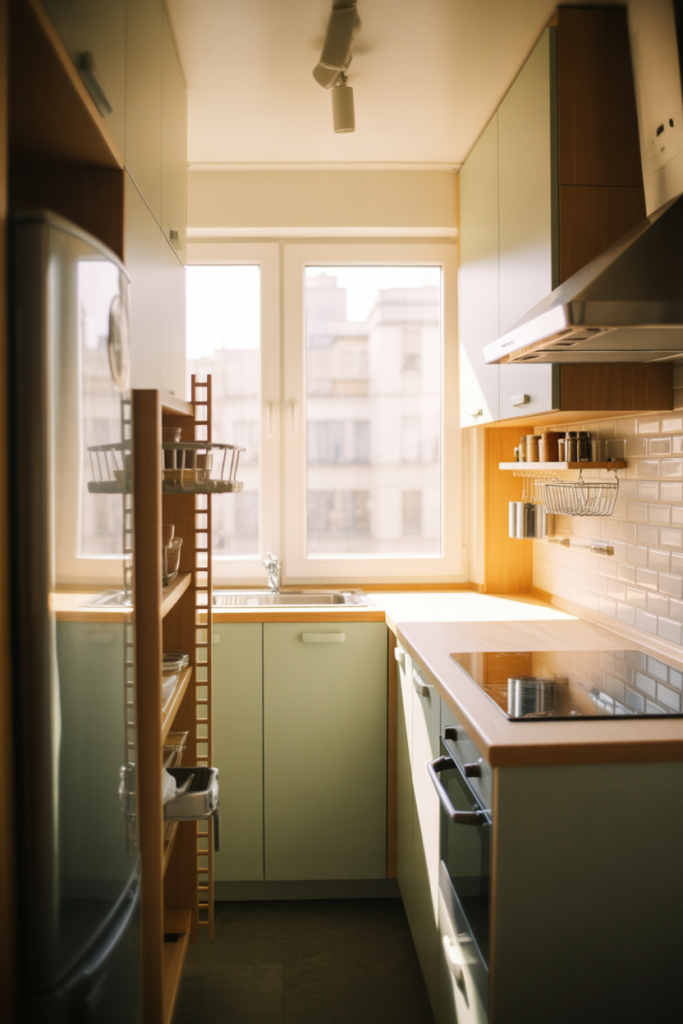
This is perfect for metropolitan condos and rentals and where renovation is impossible. Smart organizers provide flexibility and can move with you, making them perfect for renters wanting polished, functional kitchens.
11 Vertical Tray and Baking Sheet Storage
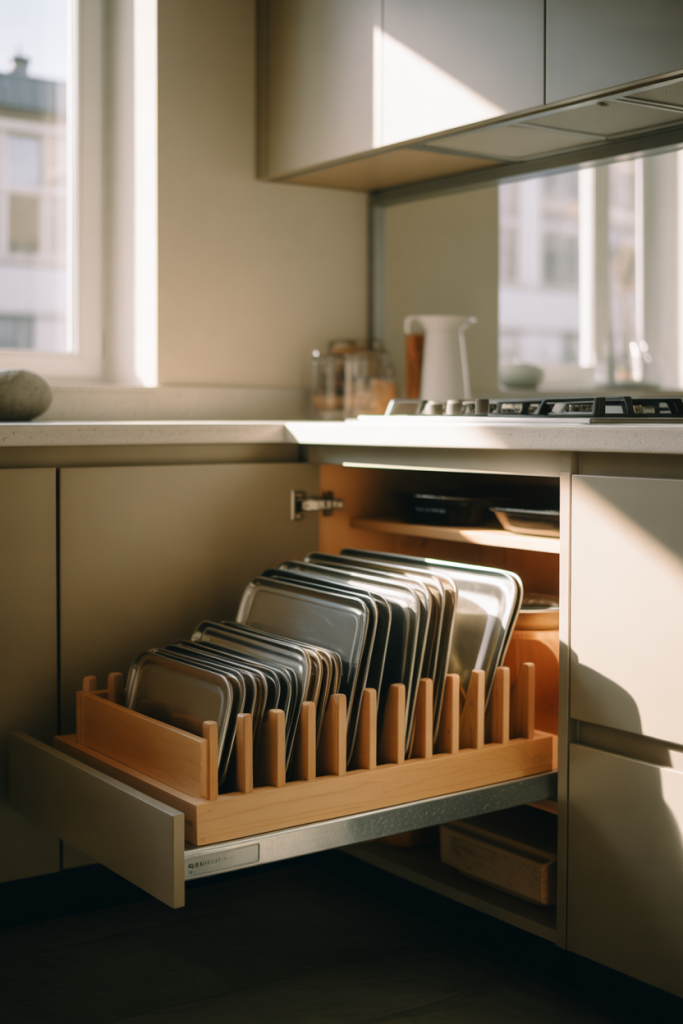 It is simple cupboards for trays and baking sheets in cupboards to reduce clutter. Instead of stacking heavy metal pieces, slim dividers keep everything upright and easy to grab. This kind of storage turns chaotic cabinets into quiet, orderly zones.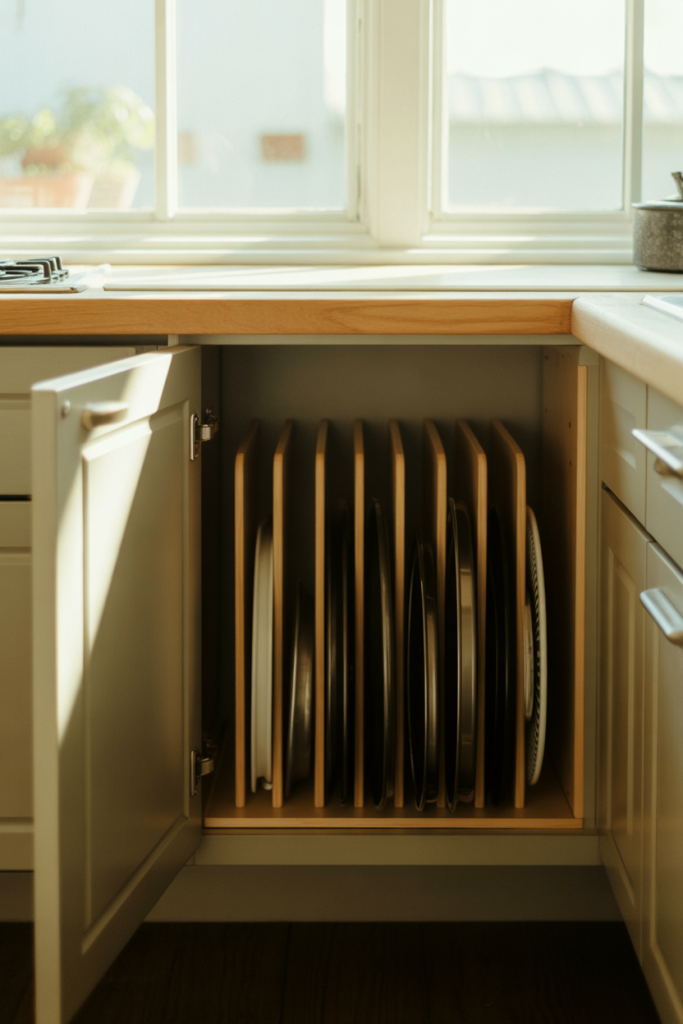
A common mistake is placing this storage too close to the floor, forcing awkward bending. Installing it slightly higher—even inside a lower cabinet—makes daily baking and roasting far more comfortable.
12 Pull-Out Pantry Cabinets
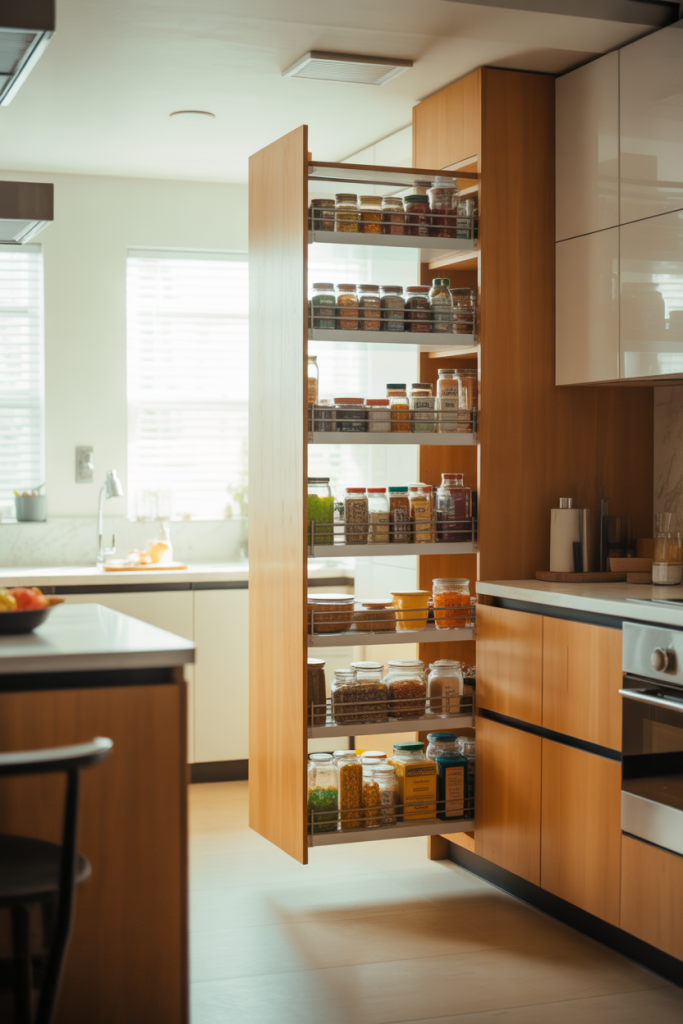 Tall pull-out cabinets are redefining pantry organization in 2026. These narrow cabinets have maximized storage while keeping food visible from both sides. They’re especially chic in kitchens with little horizontal wall space but a high vertical wall space. In the American way of life, these cabinets accommodate bulk purchasing tendencies. They enable better visibility of what food items are available, minimizing duplicate buying and forgotten purchases.
13 Dedicated Cabinets for Pots and Lids
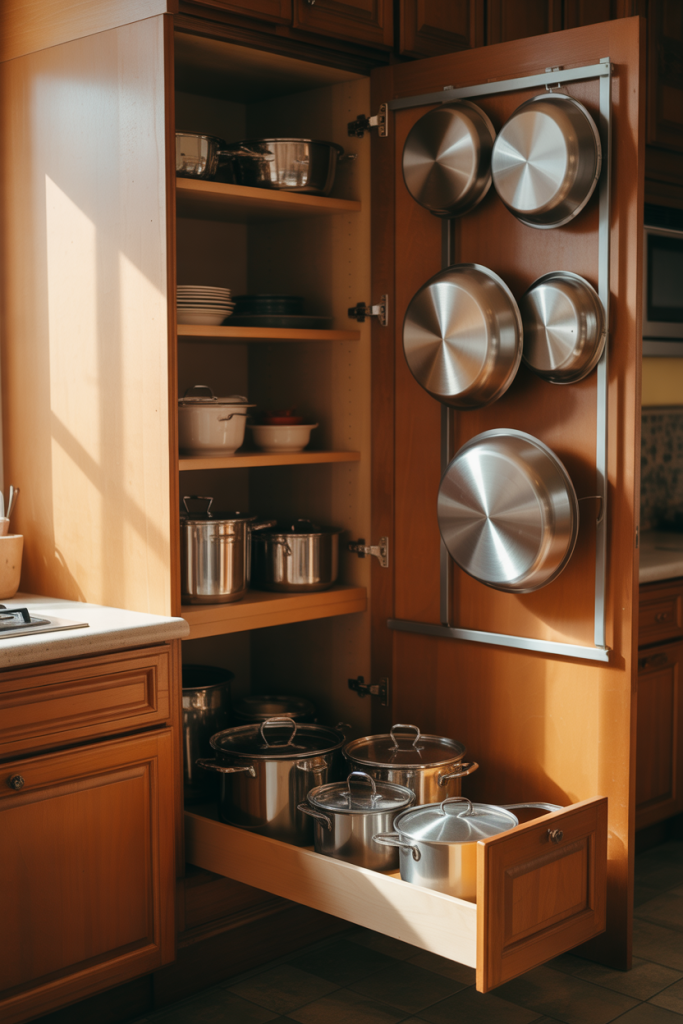 Dividing points and pans along with the layout is an accepted choice. Having a lower cabinet for pots coupled with a slim divider for lids keeps the space tidy and free of disruptive sliding. This method has the potential to enhance the way we cook.
The practical insight here is efficiency. When changing the lids no longer slide or are lost, the process of preparing meals feels more orderly and streamlined—a small change that improves daily routines instantly.
14 Drawer Organizers for Everyday Dishes
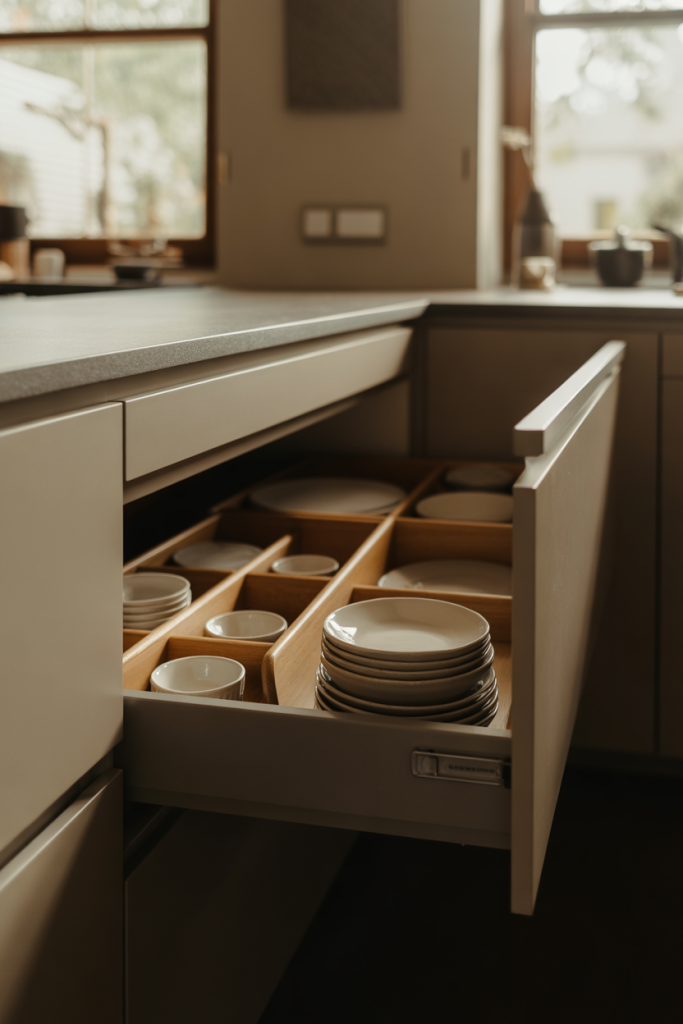 The tendency to store dishes in wide storage drawers instead of upper cabinets is gaining traction. Plates and bowls laid flat in drawers are easier to reach and safer to handle, especially in busy households.
This works best in homes with children or aging family members. Reducing overhead lifting lowers the risk of drops and makes shared kitchens more inclusive.
15 Open-Feel Upper Cabinets with Fewer Items
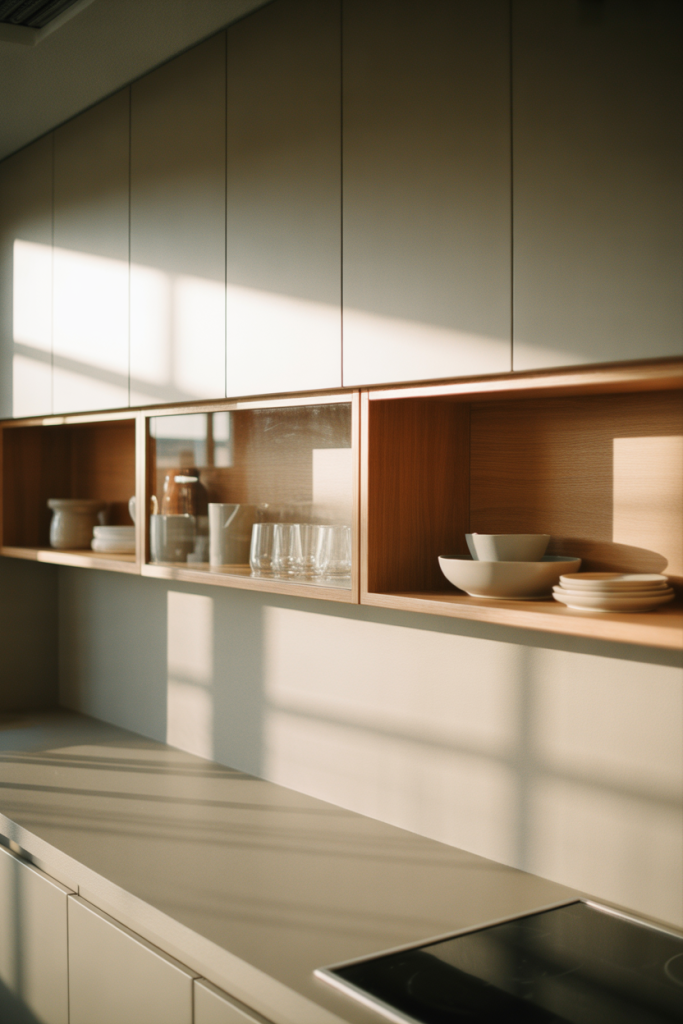 By 2026, numerous homeowners are purposefully avoiding upper cabinets less full to maintain an airy aesthetic. Storing only daily-use plates and glasses creates visual breathing room while keeping essentials close.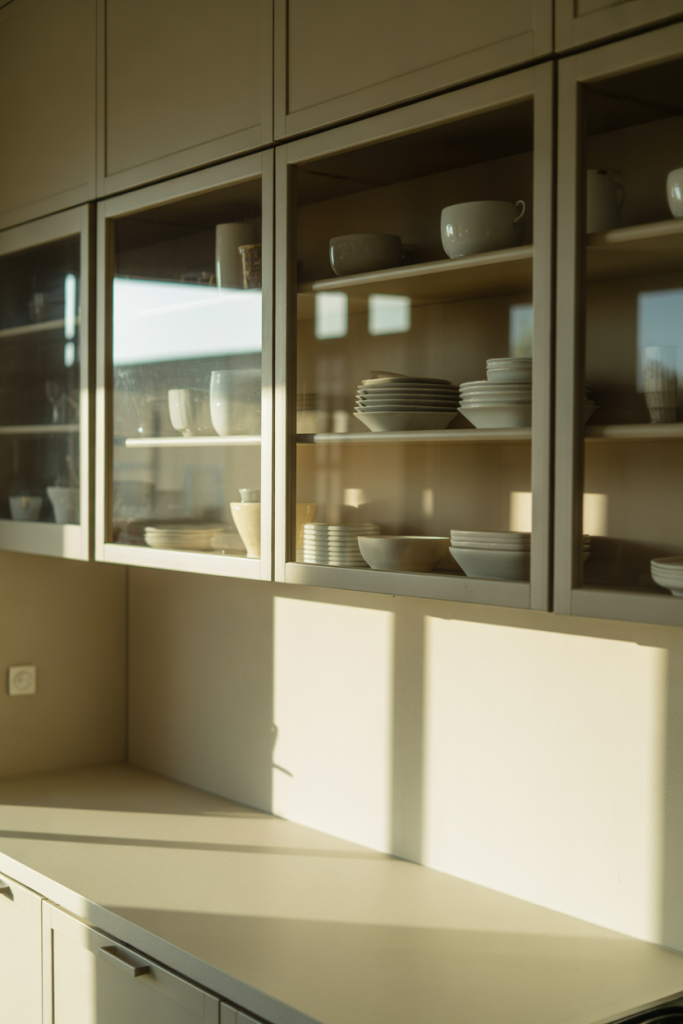
Expert-style commentary often emphasizes restraint. Cabinets don’t need to be full to be useful—thoughtful editing can make a kitchen feel more intentional and less stressful.
16 Ikea Cabinet Hacks for Custom Organization
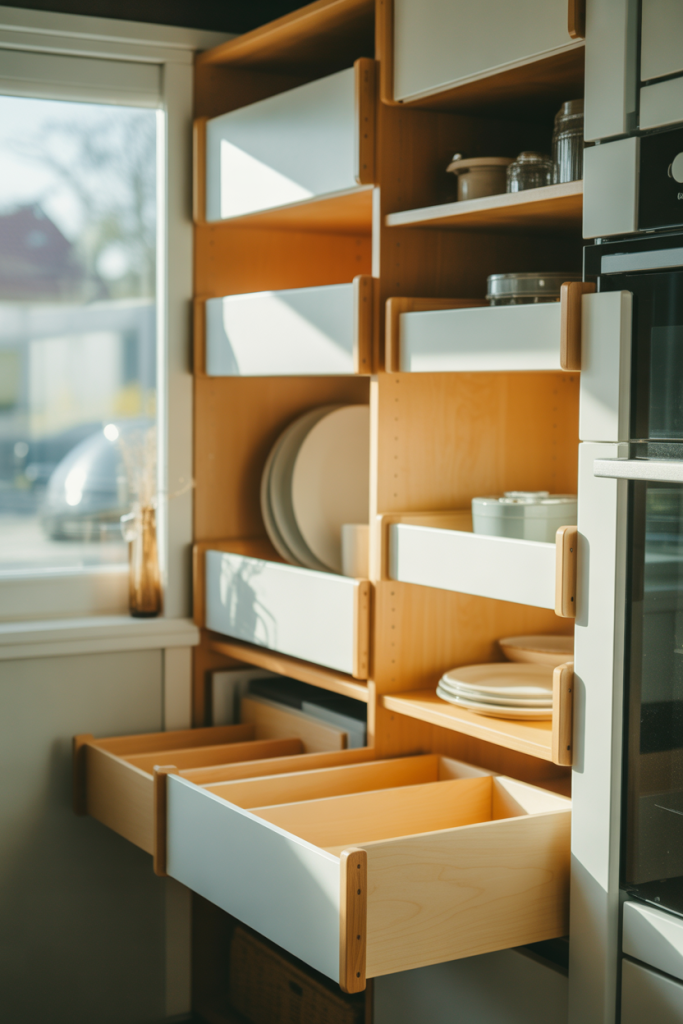 Using Ikea inserts and accessories inside standard cabinets allows homeowners to customize inside storage without major renovations. These modular systems adapt easily to changing needs and habits.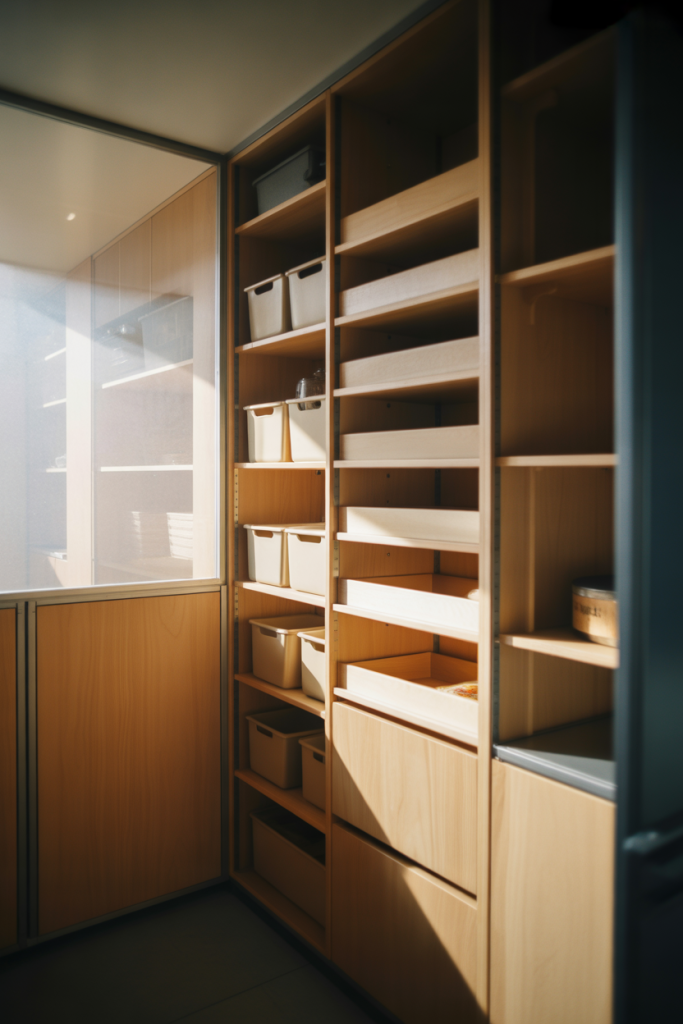
From a budget angle, this is one of the most cost-effective upgrades available. A few well-chosen inserts can dramatically improve function without the expense of custom cabinetry.
17 Narrow Cabinet Solutions for Tight Kitchens
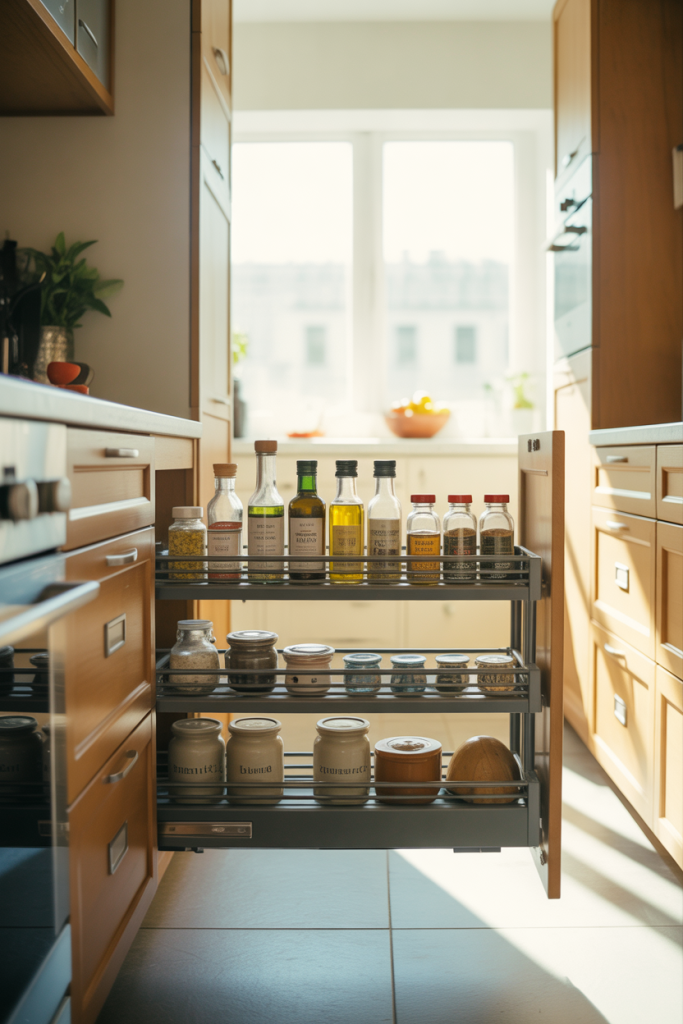 Narrow cabinets are now usable. Oil, dessert mix, and cleaning product slims pull-out storage. These small gaps are transformable into valuable storage. These solutions are ideal for compact kitchens.
Real homeowner behavior shows these cabinets quickly become favorites. Once installed, they’re often the most-used storage zones in small kitchens.
18 Organized Spice Cabinets Near Cooking Zones
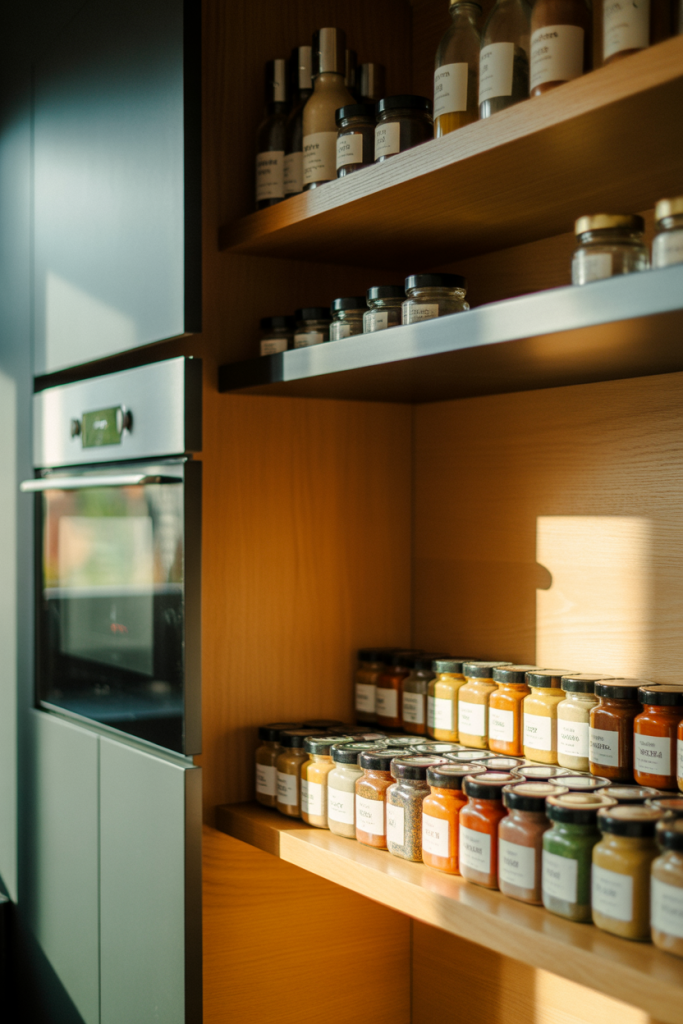 Dedicated cabinets for spice organization are great for improving the flow and function of a cooking zone.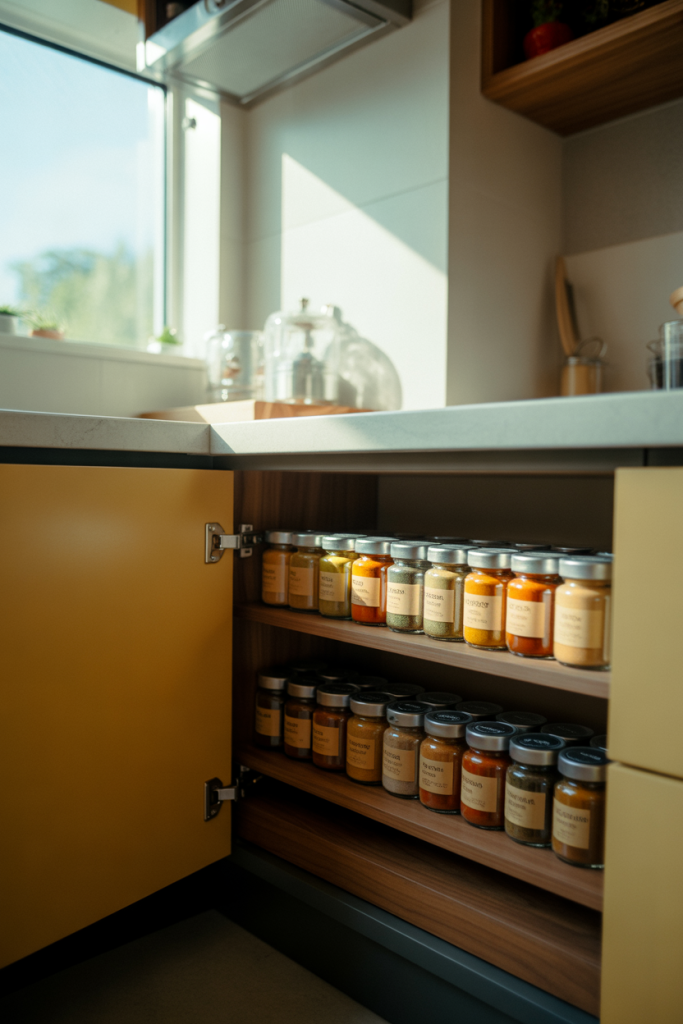
Homeowners in a micro-ecosystem creatively craft more meals with spice jars moved to the zone of higher activity. More used ingredients are visible.
19 Lower Cabinets for Small Appliances
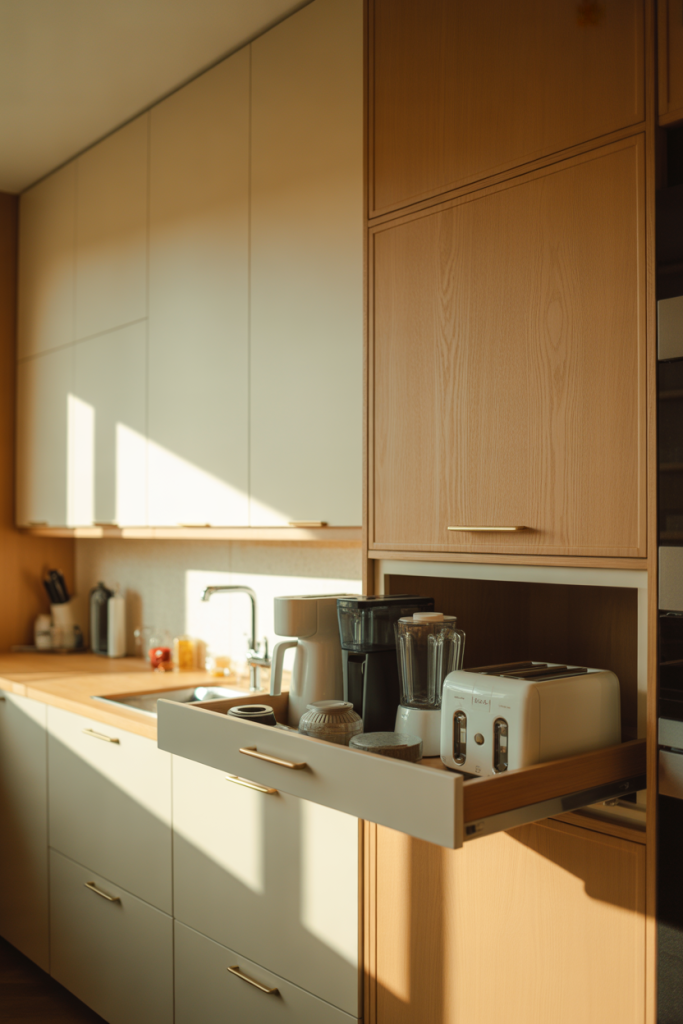 Incorporating small mixers, blenders, and other appliances into lower cabinets keeps counters clear while maintaining easy access. Pull-out shelves make heavy appliances manageable and protect backs and wrists.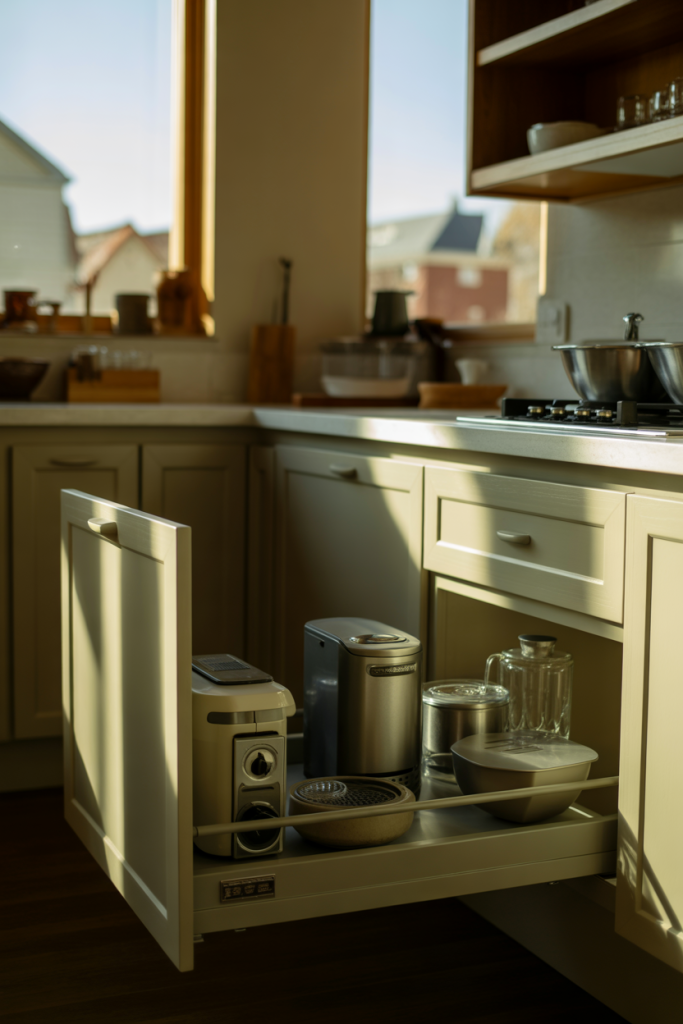
Where this works best is in family homes where counter space is limited. Appliances stay accessible without dominating the visual landscape.
20 DIY Cabinet Inserts for Rental Kitchens
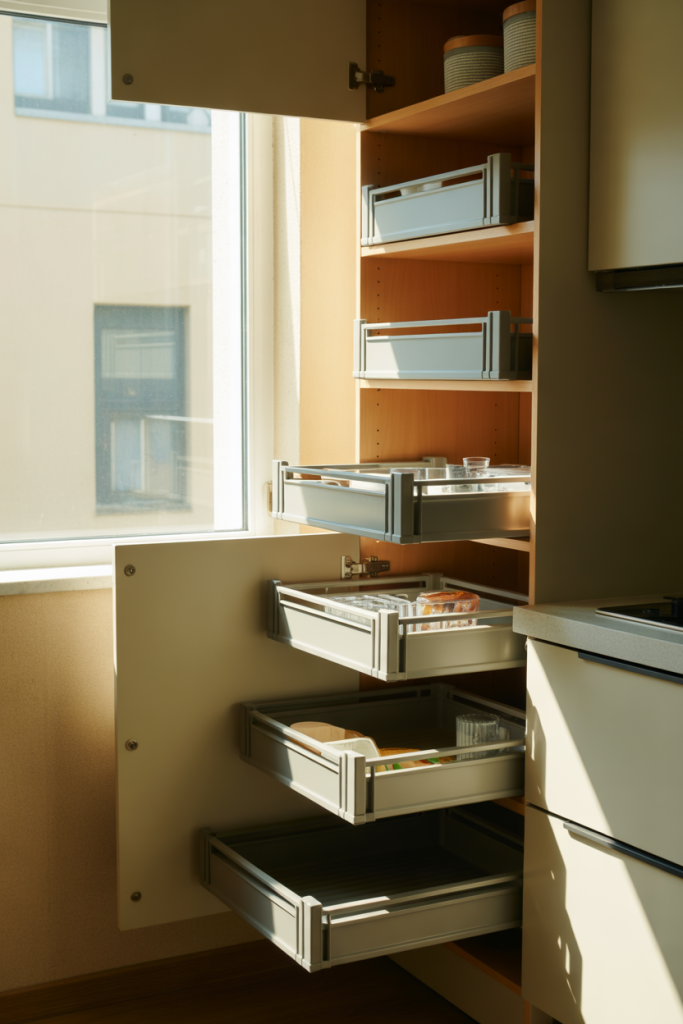 For renters, DIY cabinet inserts provide flexibility without the need for a permanent solution. Tension rods, removable bins, and stackable racks enhance storage while respecting lease rules.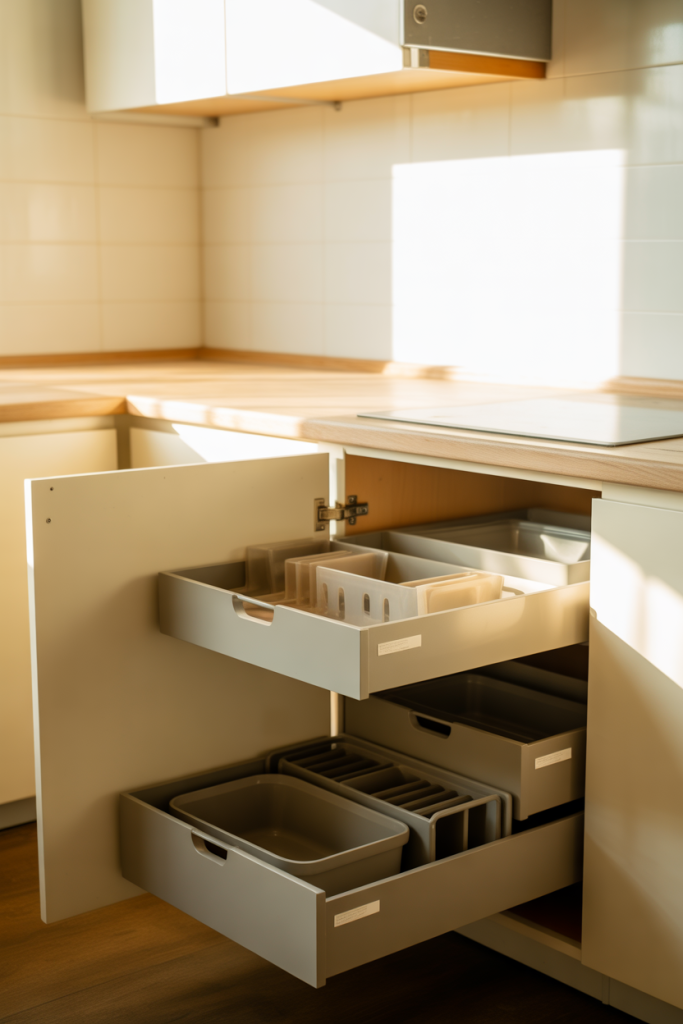
A common mistake is overloading temporary organizers. Keeping them light and modular ensures they stay practical—and easy to move when it’s time for a new home.
21 Hidden Cabinet Storage Behind Appliance Panels
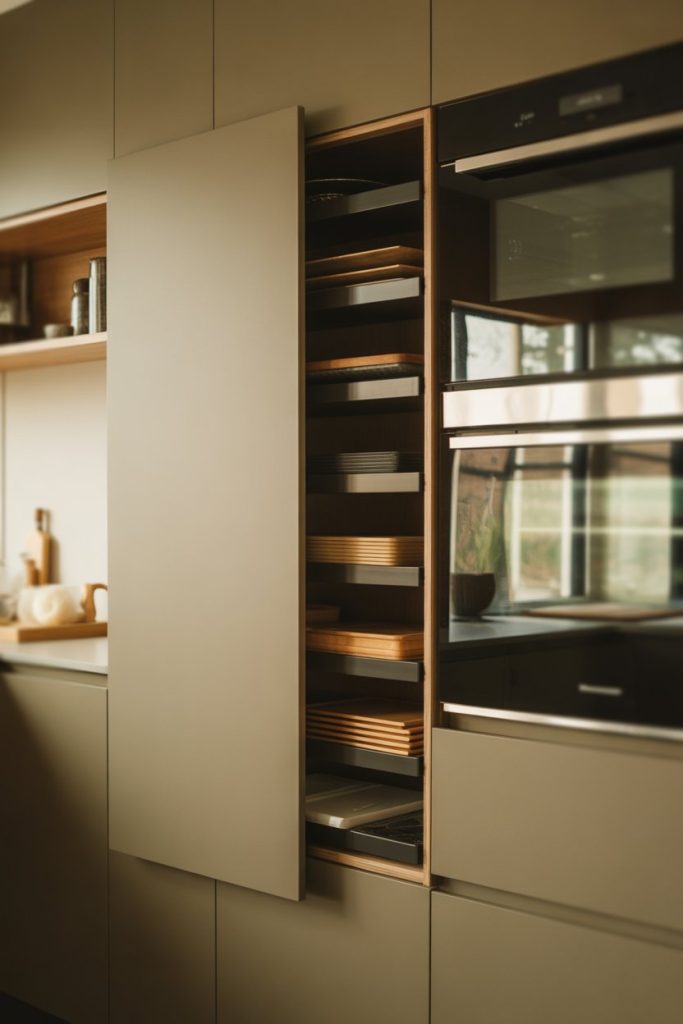 In 2026, designers are increasingly using cabinet panels to hide shallow inside storage zones behind the refrigerator or oven. The slim zones are perfect for flat, tray, or additional stock food supplies. It’s one of those quiet ideas that makes a kitchen feel smarter without changing its look.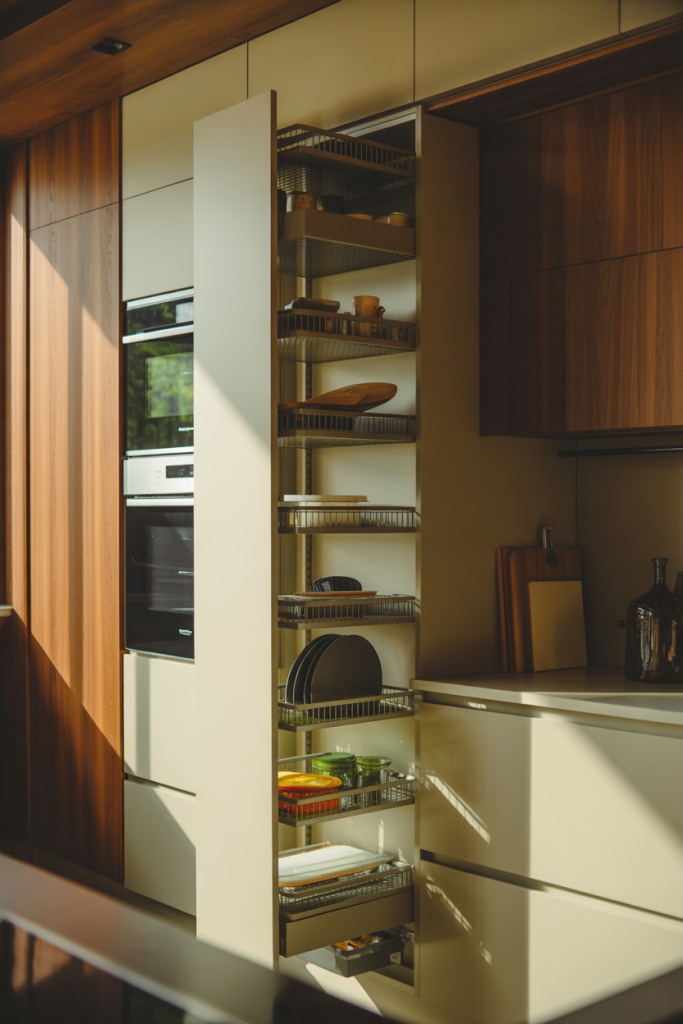
The practical insight is to store items you don’t reach for daily but still need nearby. When rarely used tools live in these hidden zones, primary cabinets stay uncluttered, and the kitchen feels calmer during everyday cooking.
22 Budget-Friendly Cabinet Organizations with Simple Inserts
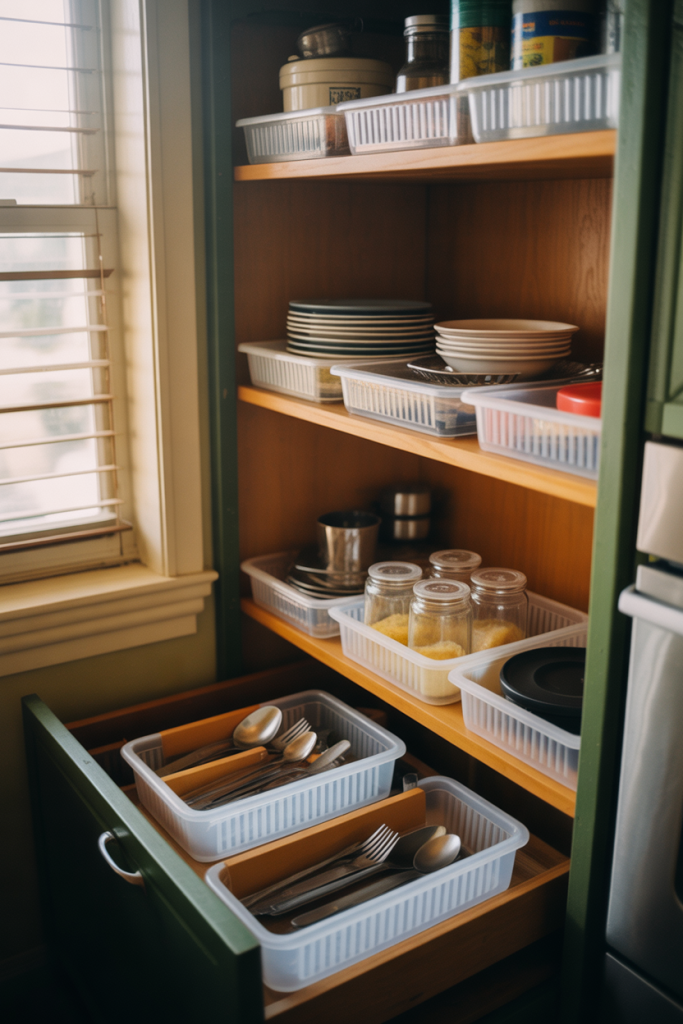 Not every cabinet refresh needs a renovation. In 2026, many homeowners focus on affordable storage upgrades using basic dividers, bins, and rails inside existing cupboards. These low-cost tips can dramatically improve order with minimal effort.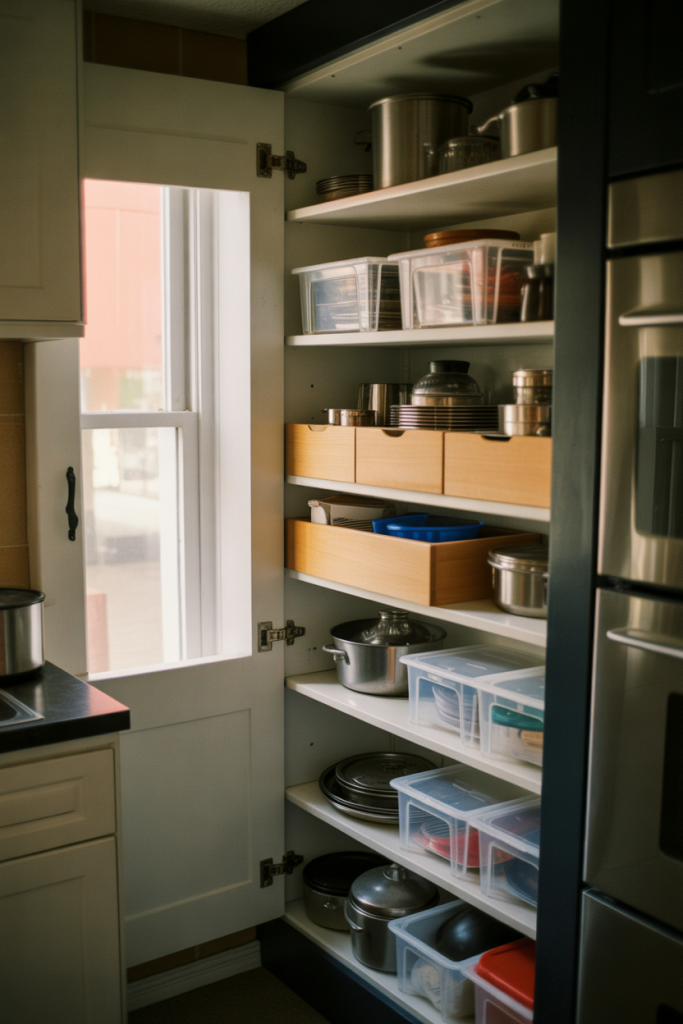
From a budget perspective, this approach works well for anyone prioritizing function over perfection. Small purchases spread over time often outperform expensive systems, especially when they’re adjusted gradually to real habits.
23 Organized Cabinets for Shared Kitchens
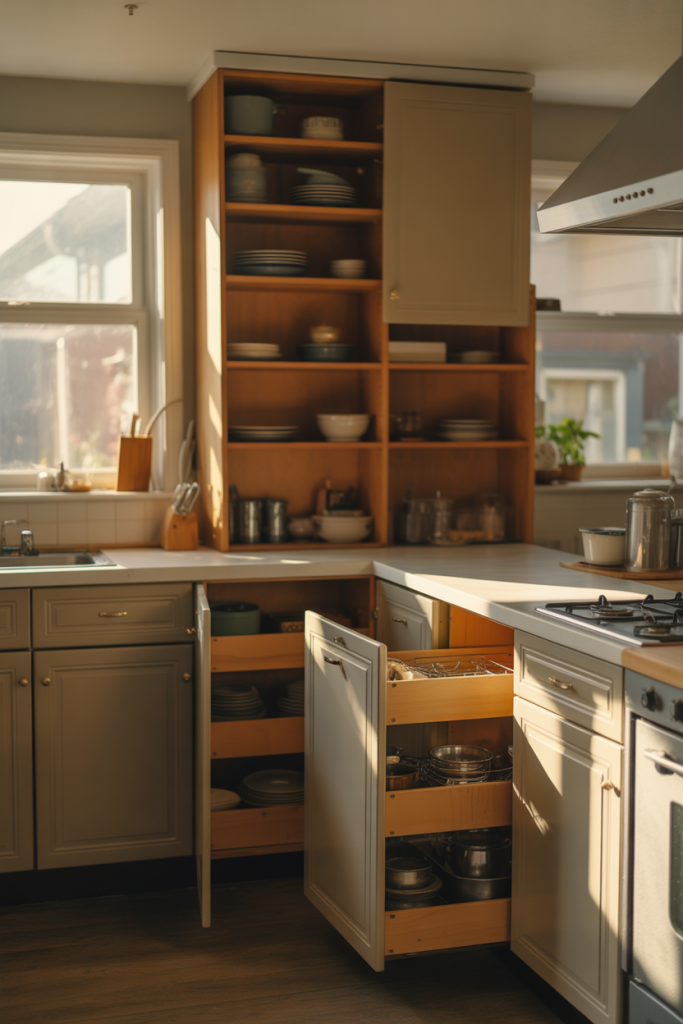 In shared homes and family kitchens, cabinet organization in 2026 focuses on clarity. Separating dishes, plates, and cookware by user or purpose reduces friction and keeps shared layout zones predictable.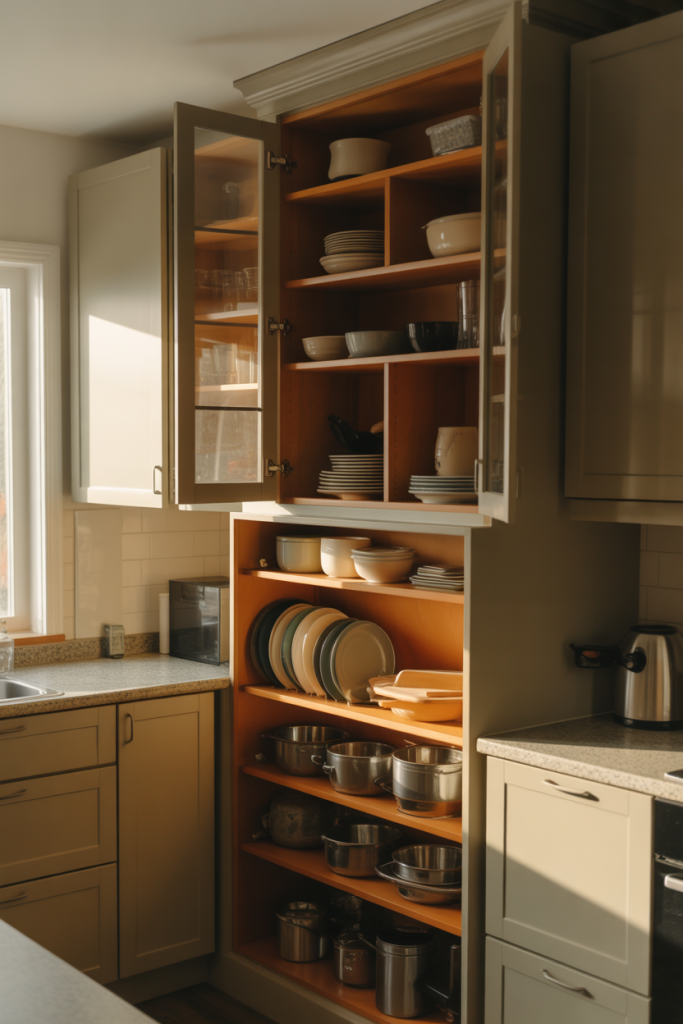
A common mistake is overcomplicating shared storage with too many rules. Keeping zones intuitive—and revisiting them occasionally—helps cabinets stay organized without turning daily life into a system that’s hard to maintain.
Kitchen cabinet organization continues to evolve in 2026 as American homes adapt to smaller spaces, hybrid lifestyles, and a stronger focus on visual calm. Pinterest searches show that people want cabinets that feel intentional, flexible, and beautiful inside—not just on the outside. Below are ten more ideas that balance function with warmth, designed for real homes and real routines.