Backyards have quietly become the most emotional rooms of the American home. In 2026, people aren’t just looking for something pretty—they want outdoor spaces that feel intentional, personal, and realistic to live with. Pinterest searches reflect this shift: fewer showpieces, more lived-in inspiration. This guide explores backyard landscaping ideas that balance design, function, and real life, helping you imagine what could truly work beyond the screen.
1 Natural Modern Firepit Retreat
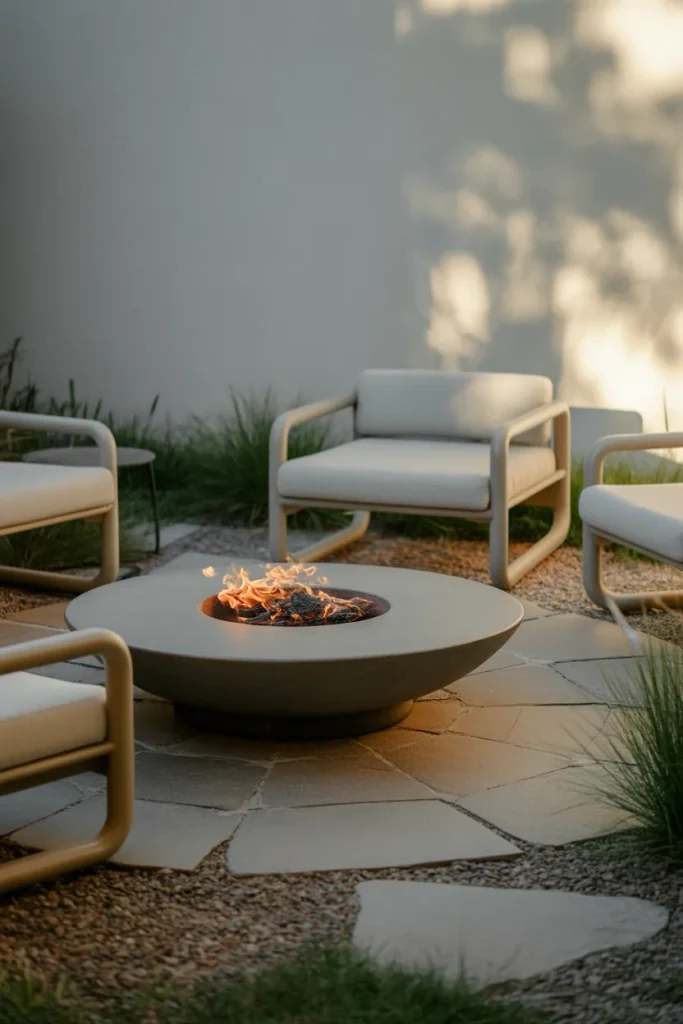 A modern backyard doesn’t have to feel cold or overdesigned. This idea blends modern designs with natural textures, centering the space around a low-profile firepit that feels relaxed rather than staged. Clean stone, simple seating, and restrained planting create a place that looks polished but still welcoming. It works especially well in medium to large yards where structure helps organize open space without overwhelming it.
Designers often note that the biggest mistake with firepits is scale—going too large too fast. A compact fire feature paired with intentional seating encourages conversation and daily use, rather than becoming a once-a-year focal point that dominates the yard.
2 Sloped Yards with Layered Green Zones
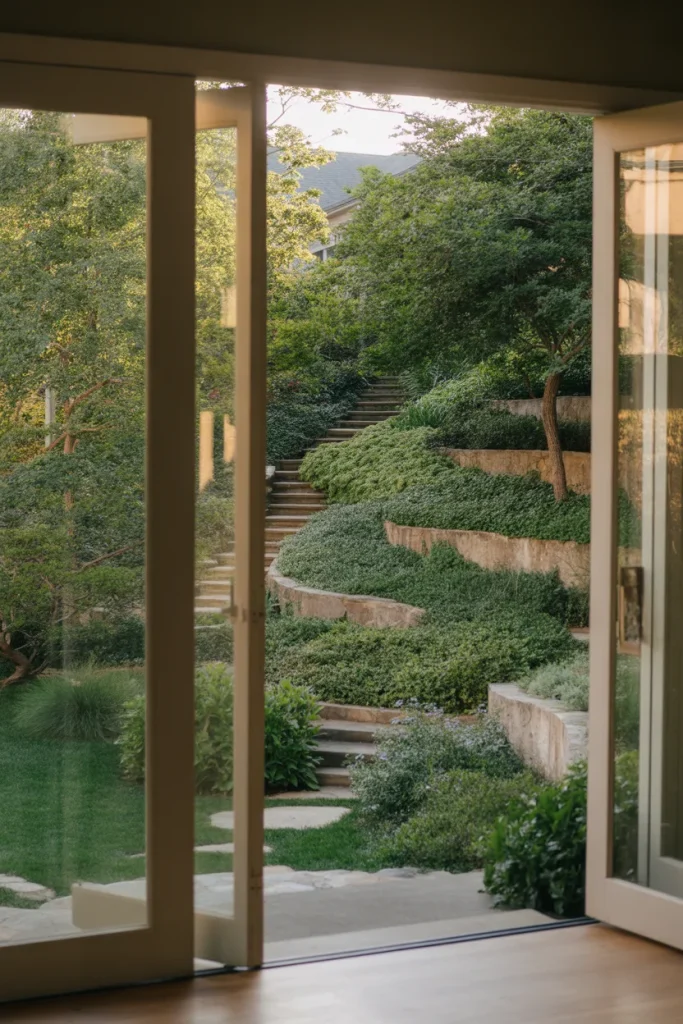 Throughout backyards, landscape elevation is often overlooked. Sloped yards present a unique visual opportunity. A softly sloped yard that is broken down into gentle terraces turns awkward yard angles into purposeful features. Low mixing walls, plantings, and simple pathways guide the eye along an intended pathway creating a rhythm instead of a resistance.
This type of layout works best in yards with long stretches of lawn where mowing isn’t a pleasure but a chore. Each level of terracing creates a purpose, whether it be focused on planting, seating, or viewing.
3 Wooded Backyards with Simple Clearings
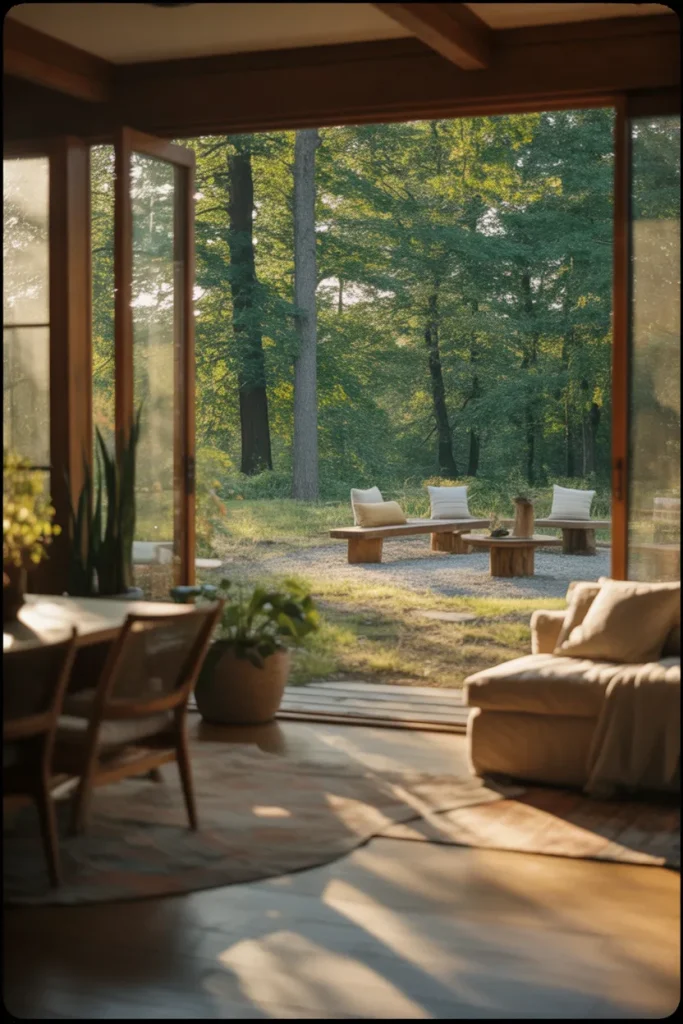 A wooded backyard doesn’t need heavy landscaping to feel intentional. By carving out small, simple clearings among existing trees, you preserve the natural character while adding usability. Gravel pads, natural logs, and restrained groundcover allow the forest edge to stay dominant, creating a calm, immersive atmosphere.
Homeowners often discover that less intervention leads to more enjoyment. Maintaining sightlines and light access matters more than adding features, especially in shaded environments where simplicity keeps the space usable year-round.
4 Tropical Pool Oases for Everyday Living
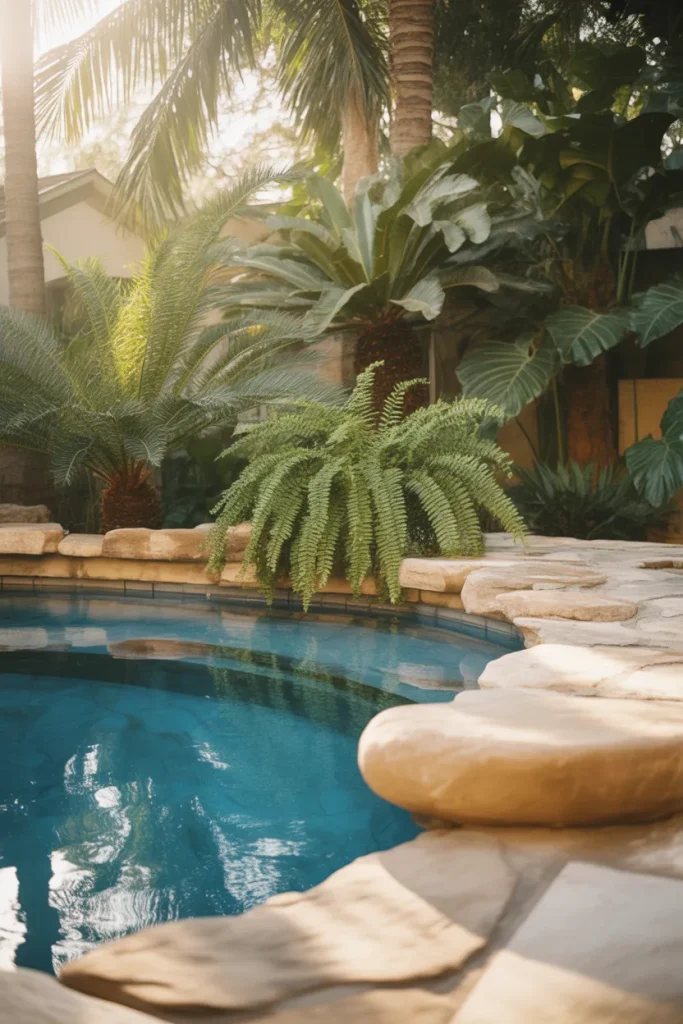 A backyard pool doesn’t need to feel like a resort to feel special. This tropical approach softens swimming pools with layered plants, textured stone, and relaxed transitions between water and land. The result feels lush without being theatrical, ideal for families who want beauty without constant upkeep.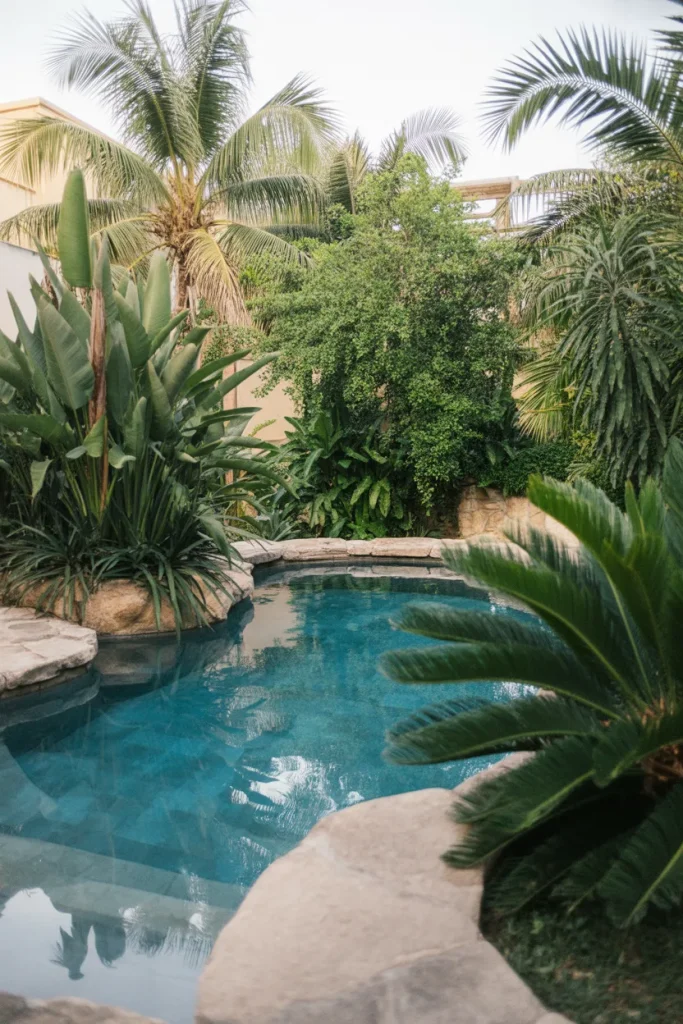
In warmer states like Florida or Southern California, this style fits naturally into daily routines. The key is choosing hardy plants that tolerate sun and water exposure without demanding constant attention.
5 Contemporary Fence as a Design Feature
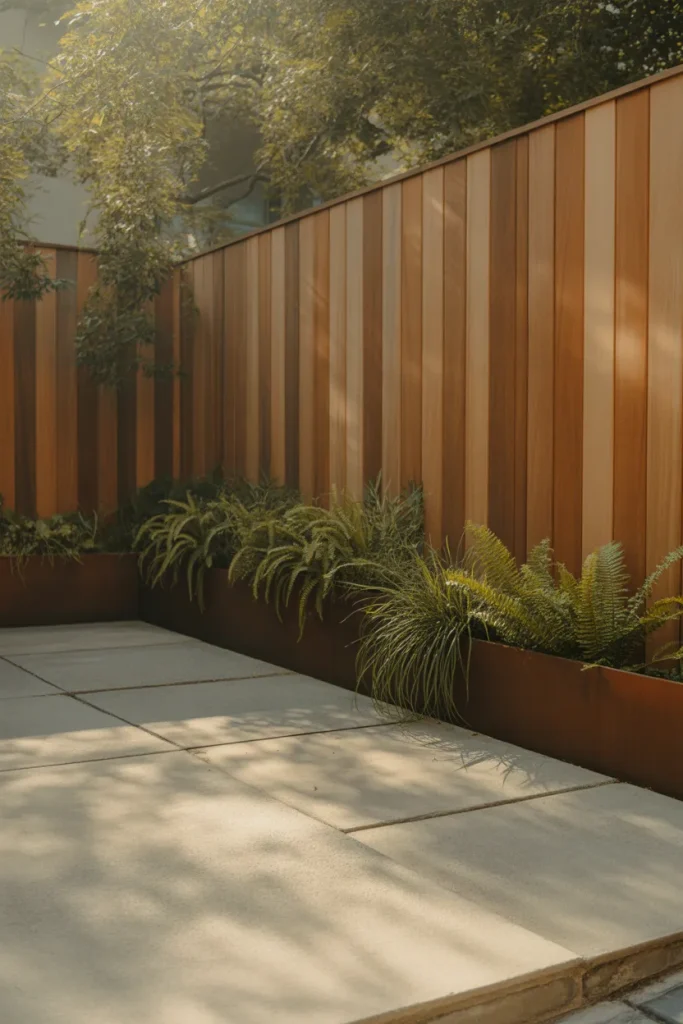 Fences are no longer just borders. In Contemporary Designs, the backyard fence becomes a framing element. With vertical wood slats, muted stains, and integrated planters, a fence transforms from a simple boundary to a design feature.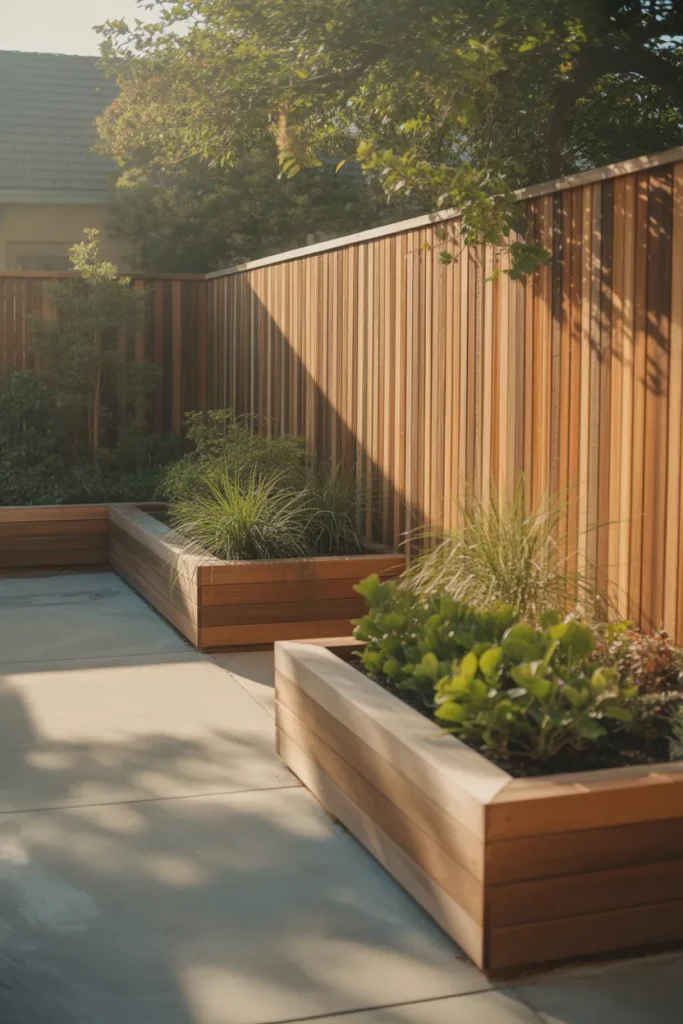
One of the most common design missteps is leaving the fence to the end of the design process. Because fence design dictates furniture color and type and plants, designers suggest early fence material selection.
6 Dog-Proof Lawns with Defined Zones
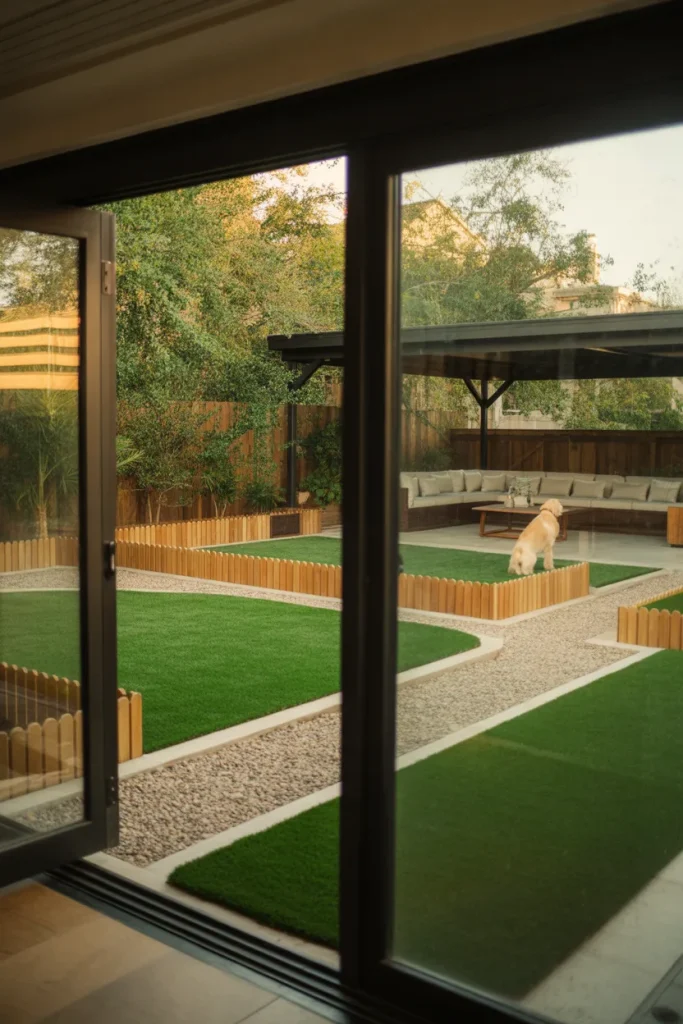 Designing a backyard that’s dog-proof doesn’t mean sacrificing style. With durable groundcovers and reinforced paths, predictable movement and manageable mess are achieved. Visually calm space is created by dividing the yard into clear activity zones—play, rest, and planting.
A lot of homeowners realize their dogs tend to follow the same paths. Designing around these tracks minimizes damage while giving the yard an organized look rather than a constantly patched-up look.
7 Fruit Tree Backyard with Natural Flow
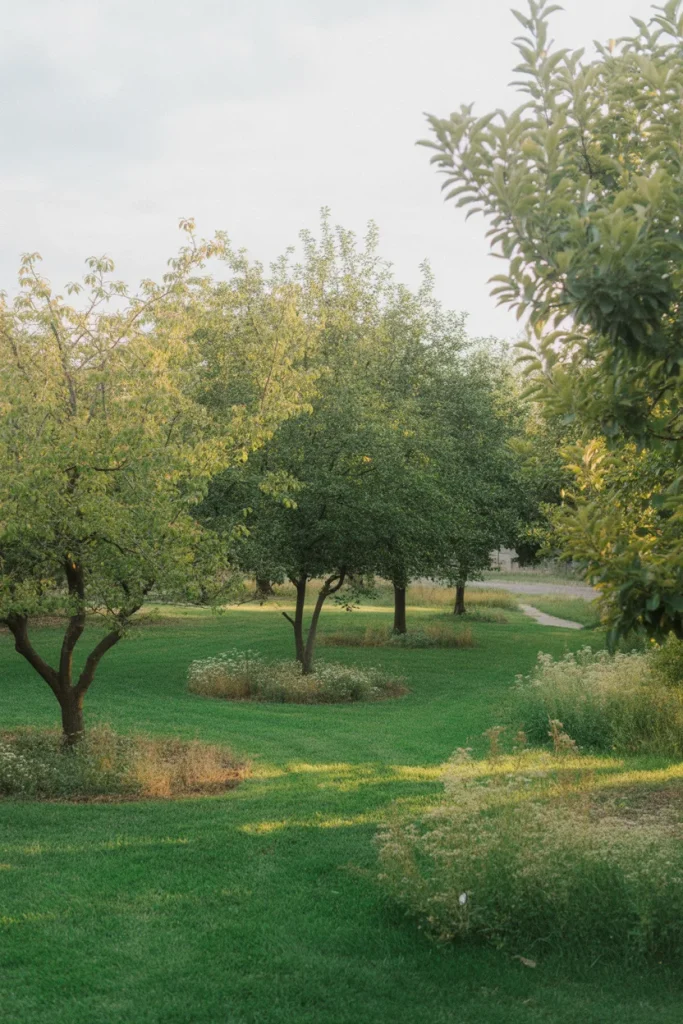 Purpose is added to natural backyard landscaping with the addition of fruit trees. When trees are spaced properly, they provide gentle shade while still offering the ability to move freely. In larger backyards, this approach offers a perfect blend of beauty and productivity, as trees provide more than just a crowding issue.
Experts suggest factoring in growth from the beginning. What appears to be thin at the start, over the course of a few seasons, often turns out to be beautifully balanced, eliminating the need for extensive pruning in the future.
8 Luxury Poolside Lounge with Clean Lines
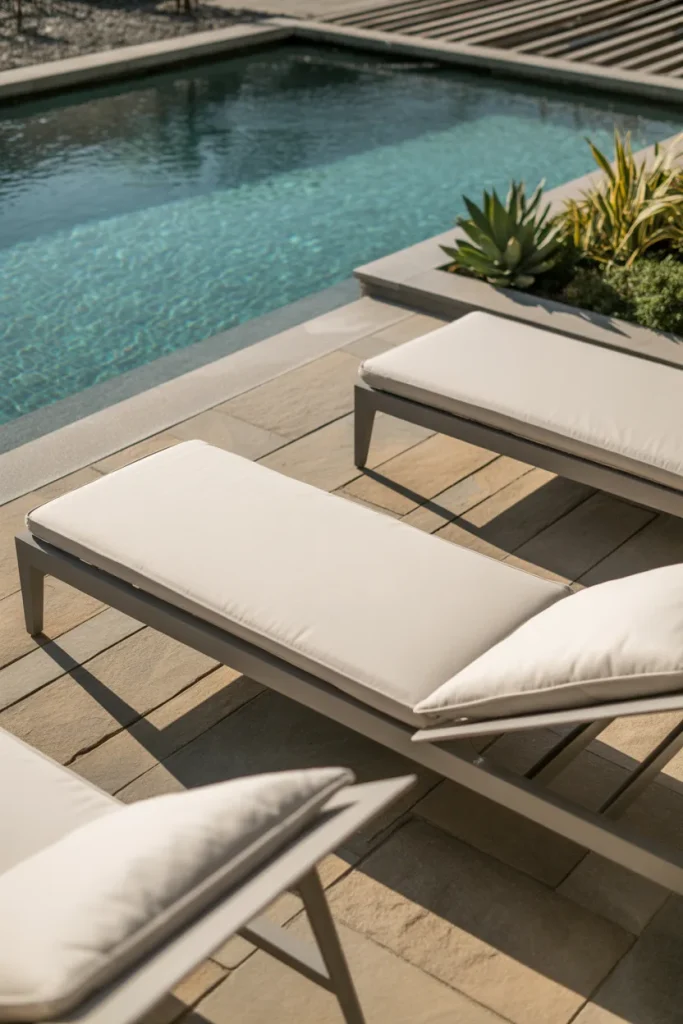 For this Luxury backyard concept, refined materials are paired with restrained planting around the Pool areas. Subtle greenery, along with clean paving and low-profile loungers, all work together to create an elevated space that is, not too flashy. It is more of a private retreat than a hotel display.
This outdoor lounging is common in states such as Arizona and California. The shade and design are important.
9 Large Backyard with Flexible Open Layout
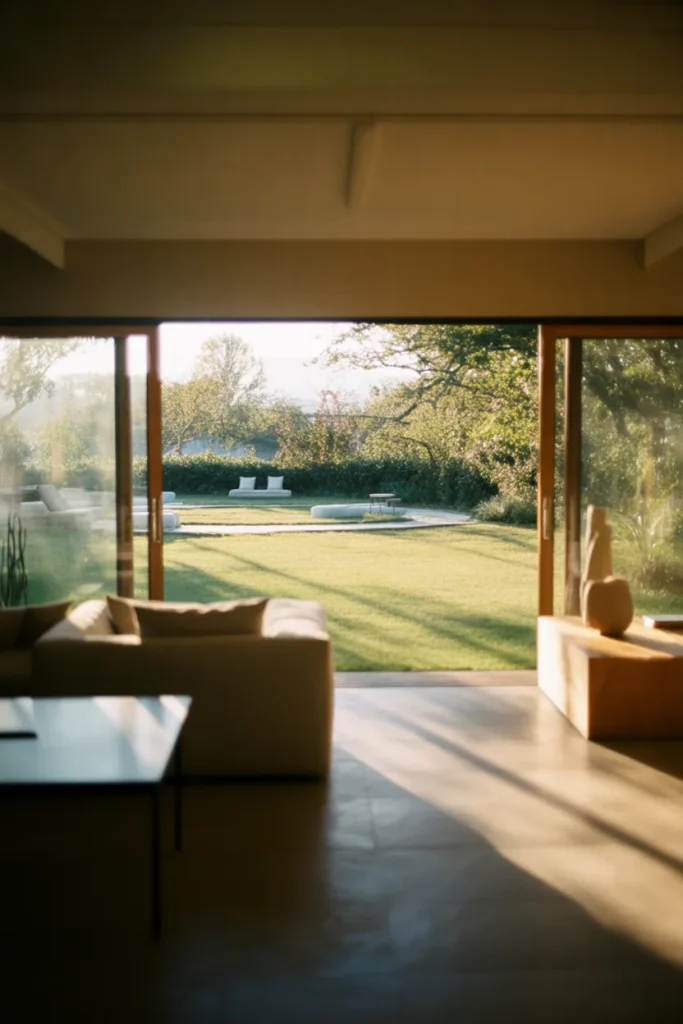 In large yards, restraint is the most powerful tool. This method incorporates easy transitions between open lawns, seating areas, and soft planting to avoid visual clutter. Negative space is utilized as a feature, not as a missing element.
Large backyards that are most successful reflect realistic homeowner behaviors. People tend to congregate in a handful of locations, so the design of versatile zones is important to avoid the space feeling empty or unused.
10 Modern Backyards with Outdoor Dining Focus
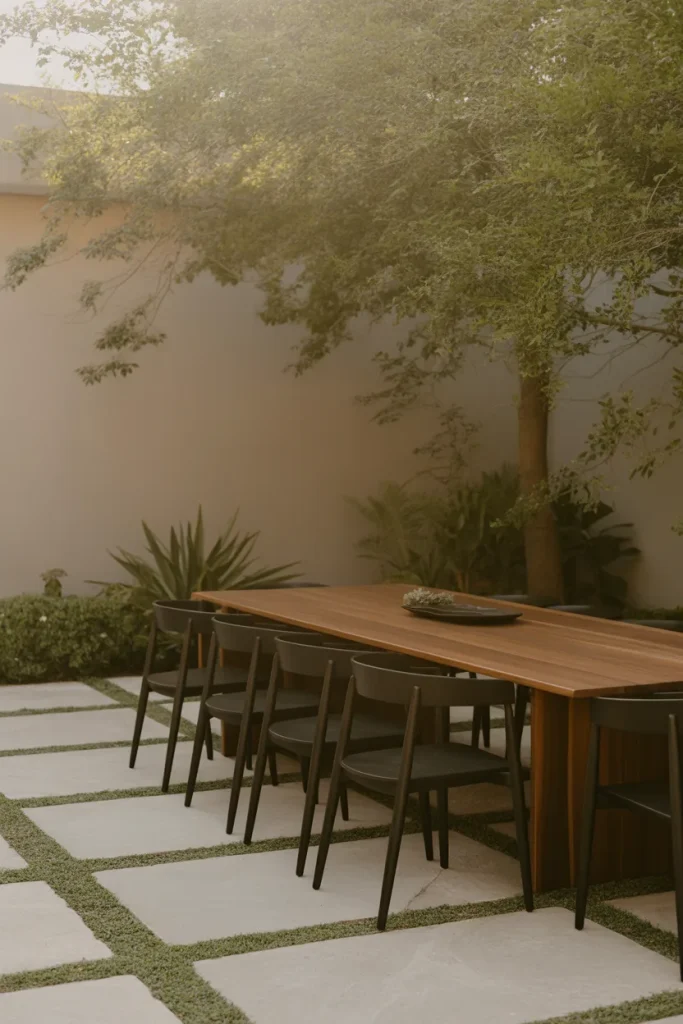 This centers on designating the backyard as an ‘everyday dining room.’ Modern Designs that are relaxed and informal allow a long table, simple paving, and soft planting to create a space that accommodates quick breakfasts or relaxed evening meals. This is ideal for families that enjoy shared outdoor activities.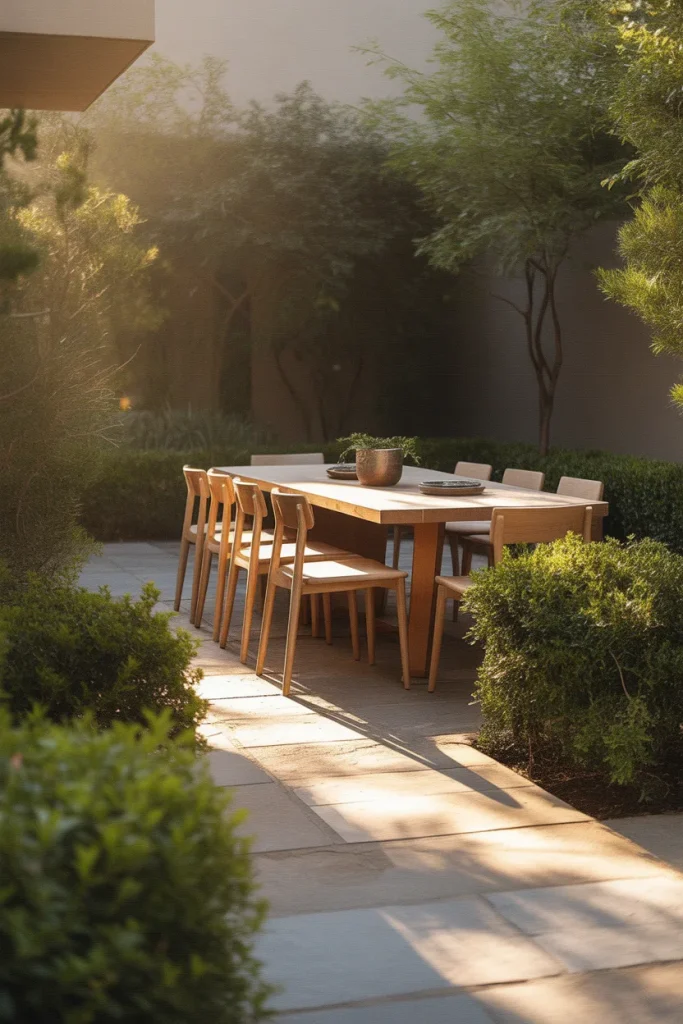
For practical reasons, consider how having the dining zone close to the house minimizes the effort to set up and how it increases the frequency of use. Owners who get this layout right tend to be more focused on comfort than on aesthetics.
11 Simple Backyards with Firepit and Gravel Bases
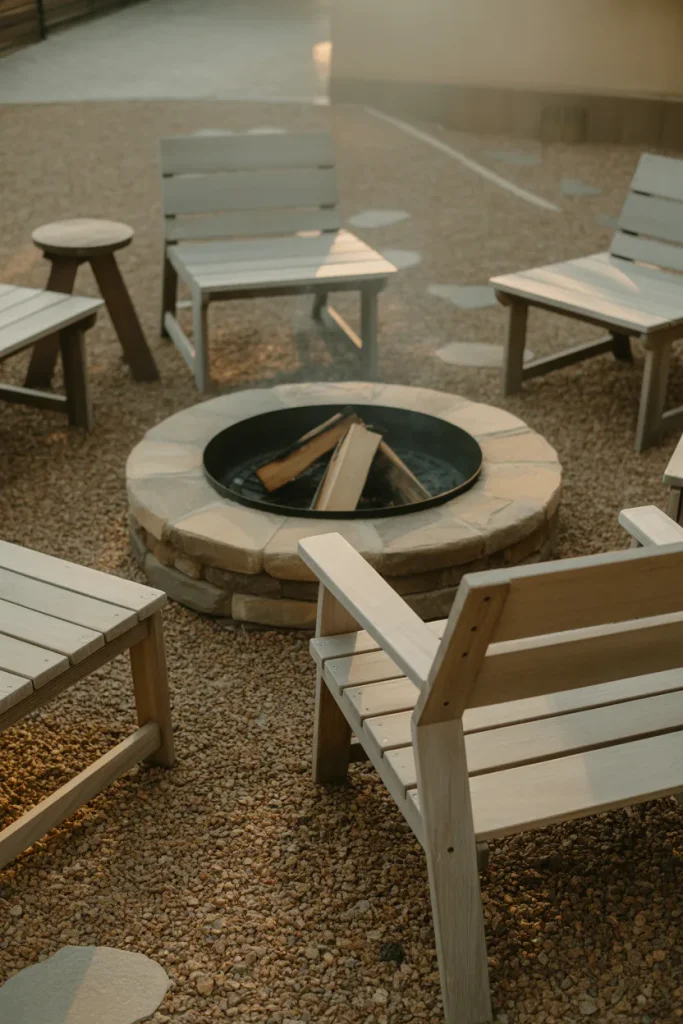 Simple layouts centered on fire pits and gravel illustrate that ambiance doesn’t have to be complicated. Pea gravel, loose stone seating, and neutral tones with open circulation make the space adaptable to different seasons. This style is ideal for smaller yards that require flexibility without visual clutter.
Filling the space with too much furniture is a frequent oversight. Open gravel space means that the firepit can be the natural focal point rather than feeling cluttered.
12 Tropical Backyard with Layered Planting
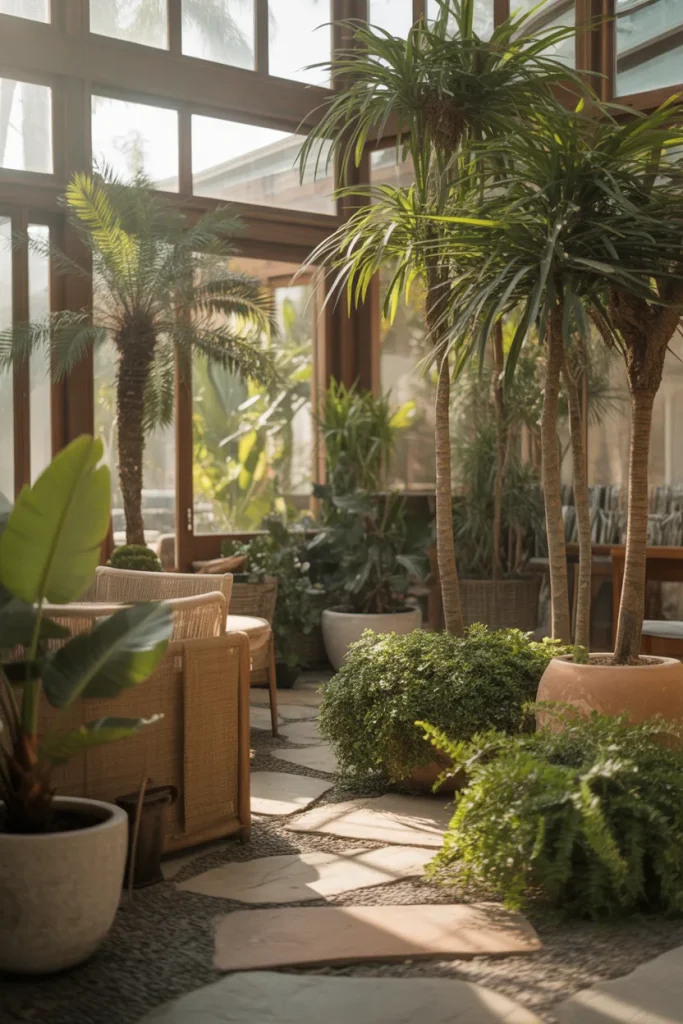 This tropical backyard concept prioritizes depth as opposed to density. Layered palms, textured shrubs, and open sightlines maintain the lushness of the yard while keeping it breathable. This style works especially well with natural materials that weather gracefully over time.
Designers suggest spacing plants wider than anticipated for optimal air circulation and light penetration. This spacing helps the garden look intentional rather than overgrown after a few seasons.
13 Contemporary Backyard with Integrated Pool Deck
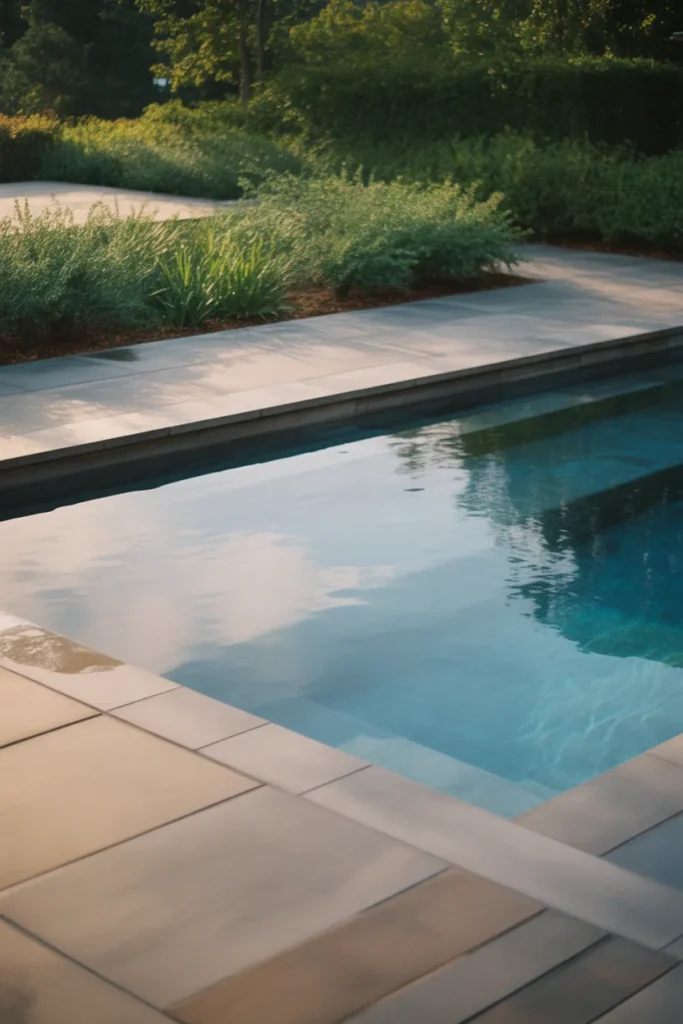 Water and Swimming pools modern contemporary With a blended Waterscape design, the swimming pool is seamlessly integrated with the surrounding deck. Flush edges, uniform materials, and subtle contrasts provide a modern touch to the design while offering a stark overall look.
This arrangement is ideal for regions with a warm climate, with frequent swim use. In California, for example, the seamless deck encourages use on the spur as opposed to specially planned swim functions.
14 Budget Backyards with Modular Seating Zones
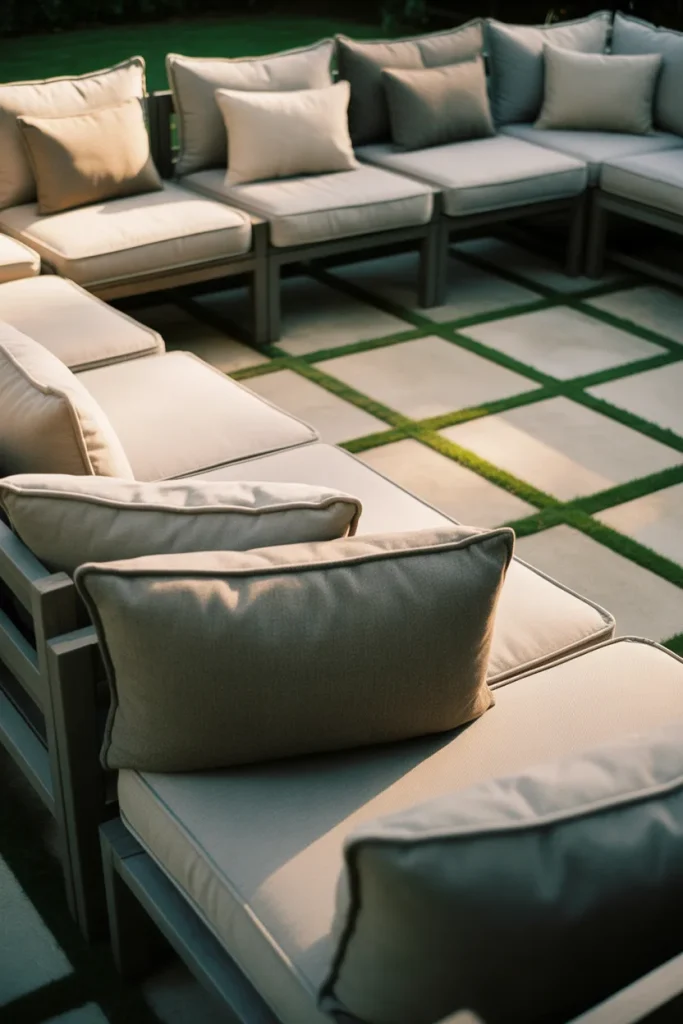 Modular furniture provides a strong layout for a backyard with budgetary constraints while offering the potential for a design to evolve. Lightweight furniture allows for the creation of a social area and a quiet zone and can easily shift from one to the other.
Homeowners discover that movable seating increases the activity in the yard. The option to change the arrangement of furniture fosters a sense of openness and prevents the space from feeling entrenched, stagnant, or underutilized.
15 Wooded Backyard with Elevated Deck
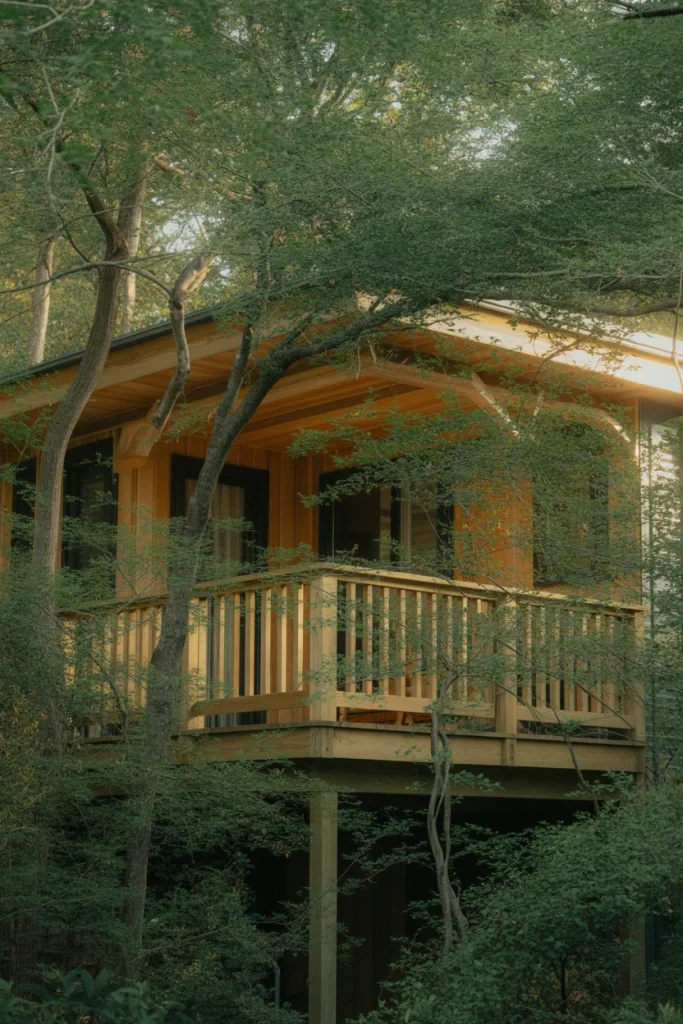 In a wooded area, an elevated deck provides a usable surface without disturbing the landscape below. With simple railings, natural materials, and a rustic finish, it feels like an extension of the terrain rather than an intrusion.
This method is ideal for uneven or wet terrain. Elevation maintains the vegetation underneath and provides a gathering space that is dry and stable.
16 Dog-Friendly Backyards with Defined Pathways
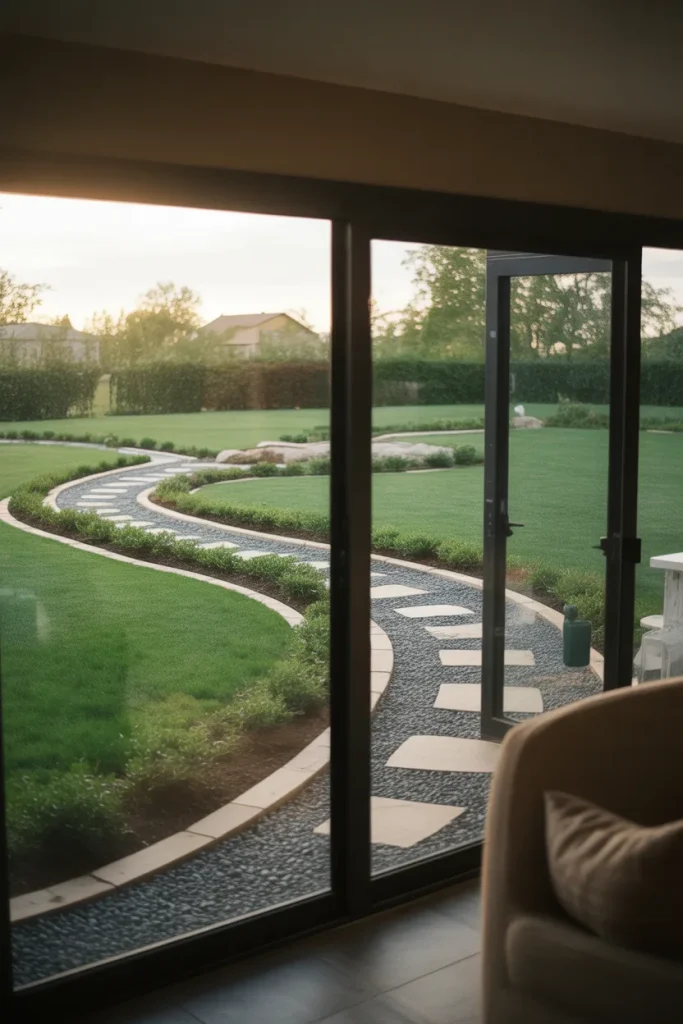 A dog-proof backyard has clear circulation. Reinforced pathways, even surfaces, and selective, controlled vegetation support the yard’s visual balance. This concept is focused on function over art. Homeowners tend to observe less damage when pathways correspond to natural running paths. Designing for natural behaviors rather than the more controlled routines yields more successful outcomes over time.
17 Fruit Tree Backyard with Casual Seating
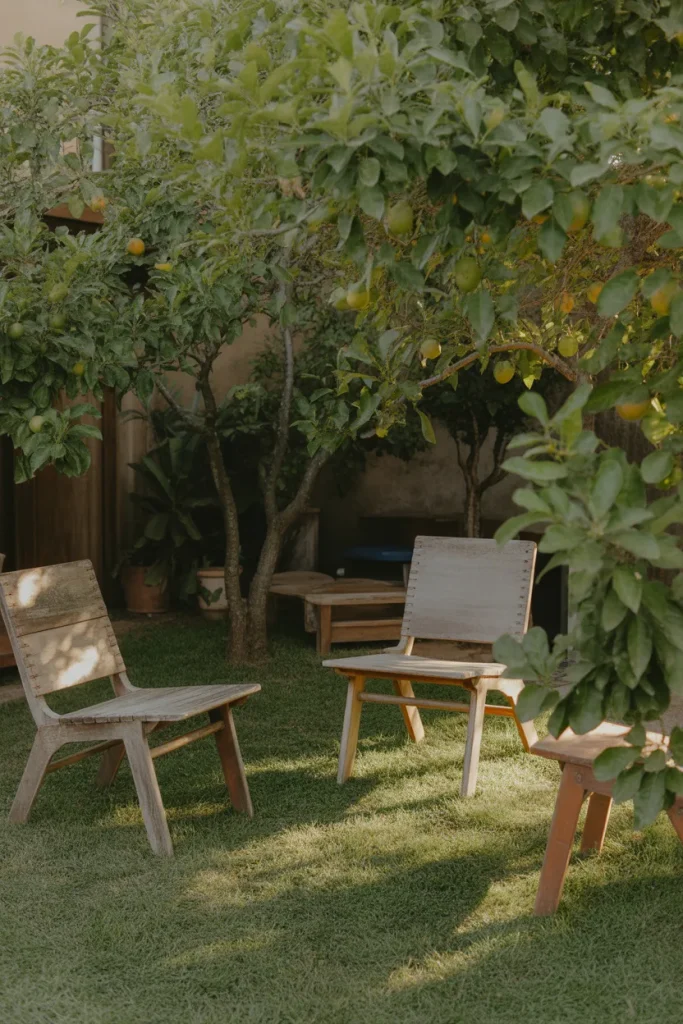 In the backyard, where the seating is less formal, the combination of fruit trees invites people to stay. The transition of shade, smell, and seasons offers a sensory layer that is often missed in solely ornamental landscapes. Leaving enough space between seating and the tree trunks is considered a best practice. This maintains the integrity of the tree roots and offers the canopy for shade and more comfortable visuals.
18 Luxury Backyards with Minimal Water Feature
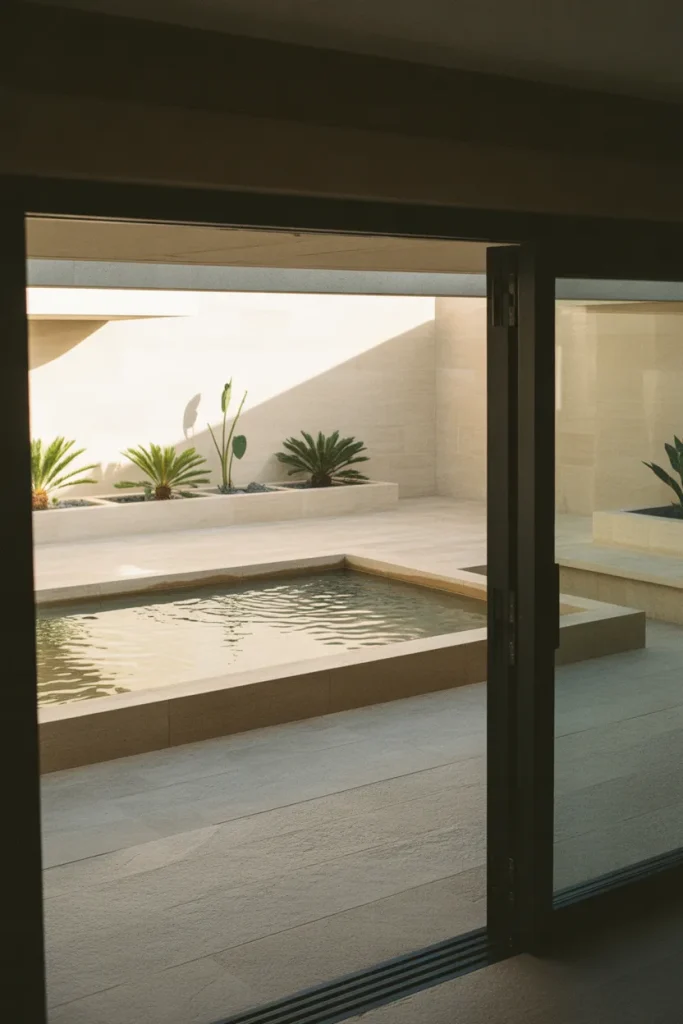 In 2026, luxury often derives from more minimalist designs. Instead of a full swimming pool, a luxury backyard may feature a quiet reflecting pool or a simple water channel. This offers a sense of calm without overwhelming the space.
The element of an organic yet managed atmosphere comes into play dominantly in suburban/urban yards where space is limited yet atmosphere is important. The visual impact is high with relatively low maintenance.
19 Large Backyard with Open Lawn and Border Planting
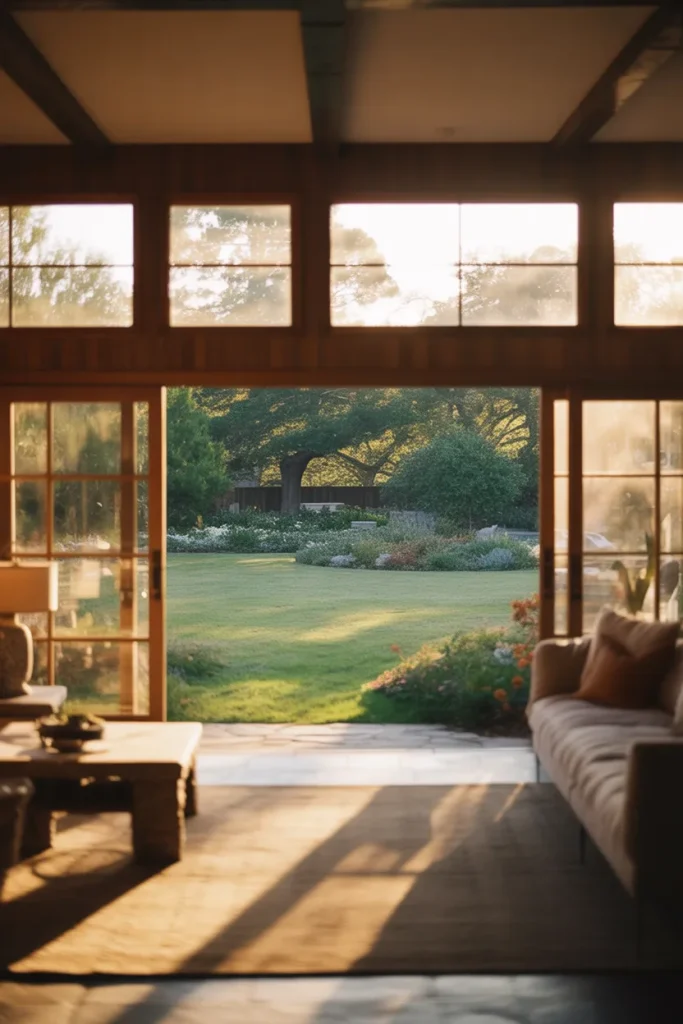 In a large backyard, clear structure is beneficial at the edges. Border planting defines space while keeping the center open and easy to use for gatherings, play, or quiet relaxation.
Most homeowners realize open lawns are used more than segmented areas. Defined edges provide visual appreciation while allowing the space to be adaptive over time.
20 Backyard with Pool and Natural Stone Paths
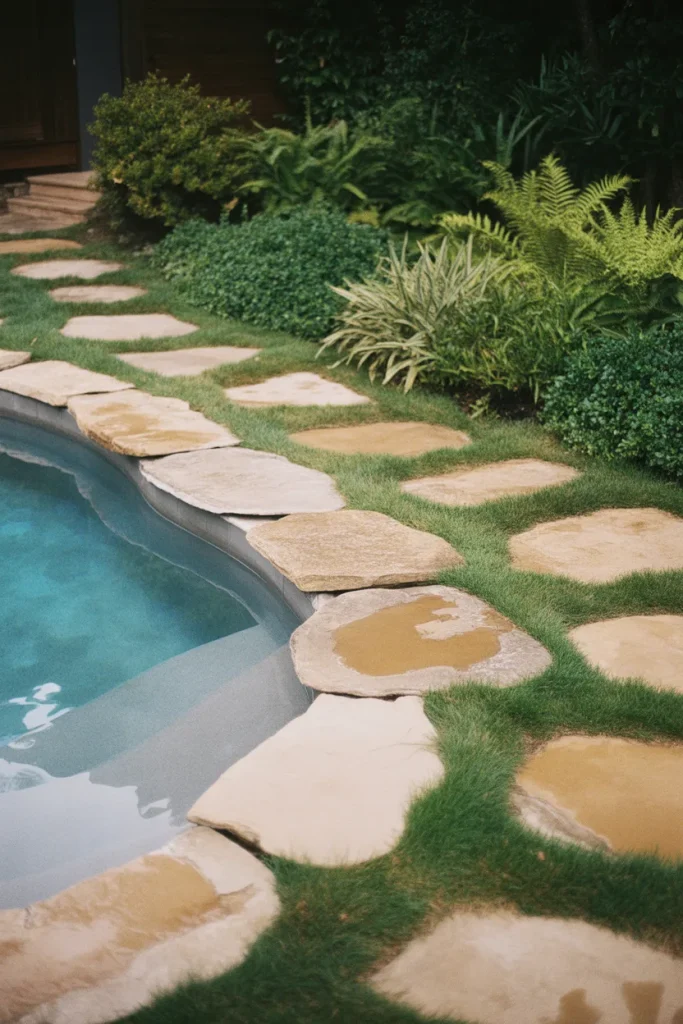 This backyard layout connects pool zones with the rest of the yard using natural stone paths that feel organic rather than planned. The stones soften transitions, slow movement, and visually tie water, lawn, and planting together. It’s a grounded approach that suits homeowners who want flow without sharp borders or hard geometry.
Where this works best is in yards where straight walkways feel too formal. Curved stone paths naturally guide movement and reduce wear on grass, especially in areas that see frequent foot traffic between the house and pool.
21 DIY Backyards with Simple Wooden Structures
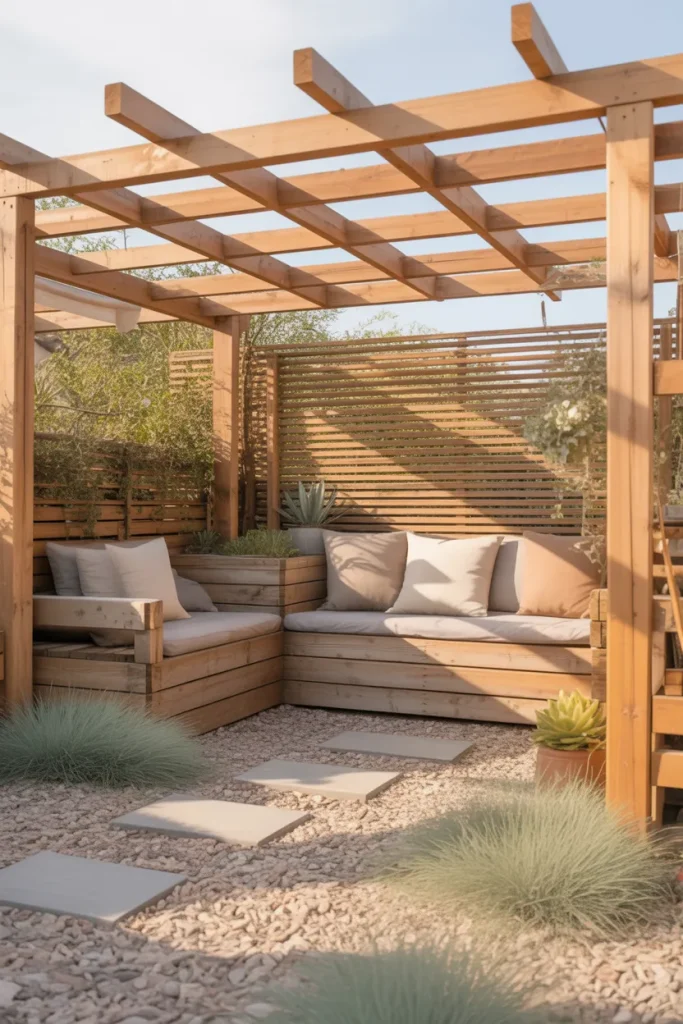 This DIY approach uses simple wooden elements like pergolas, benches, or low dividers to define zones without heavy construction. The wood adds warmth and structure while remaining flexible for future changes.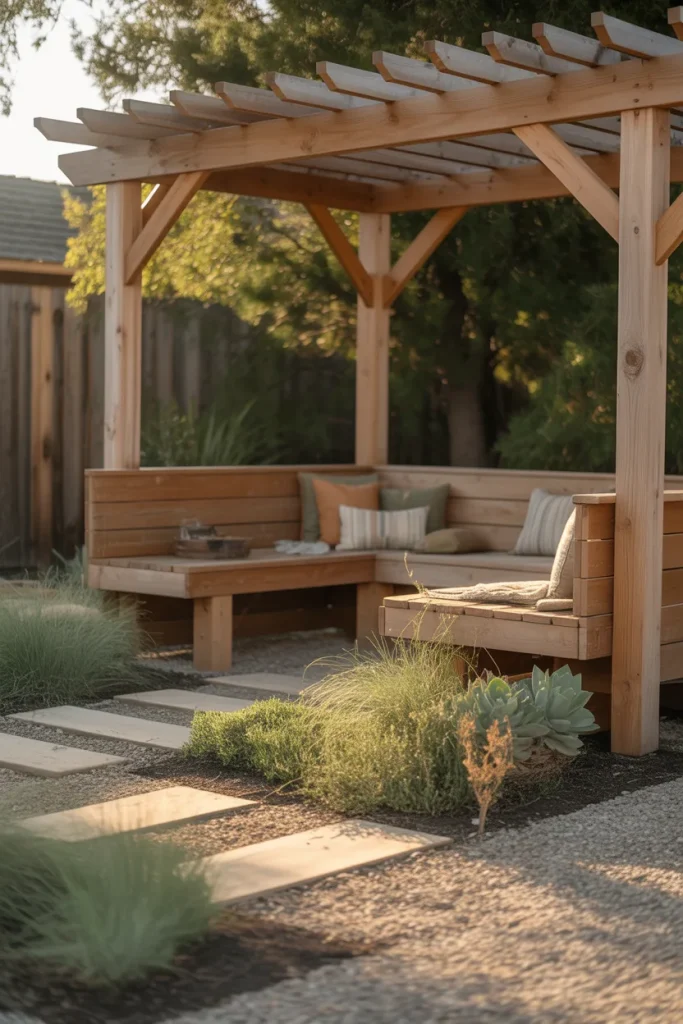
From a budget perspective, building in phases makes this style achievable. Many homeowners start with one wooden feature and expand slowly, learning how the space is actually used before adding more.
22 Backyard with Dog-Proof Fence and Green Zones
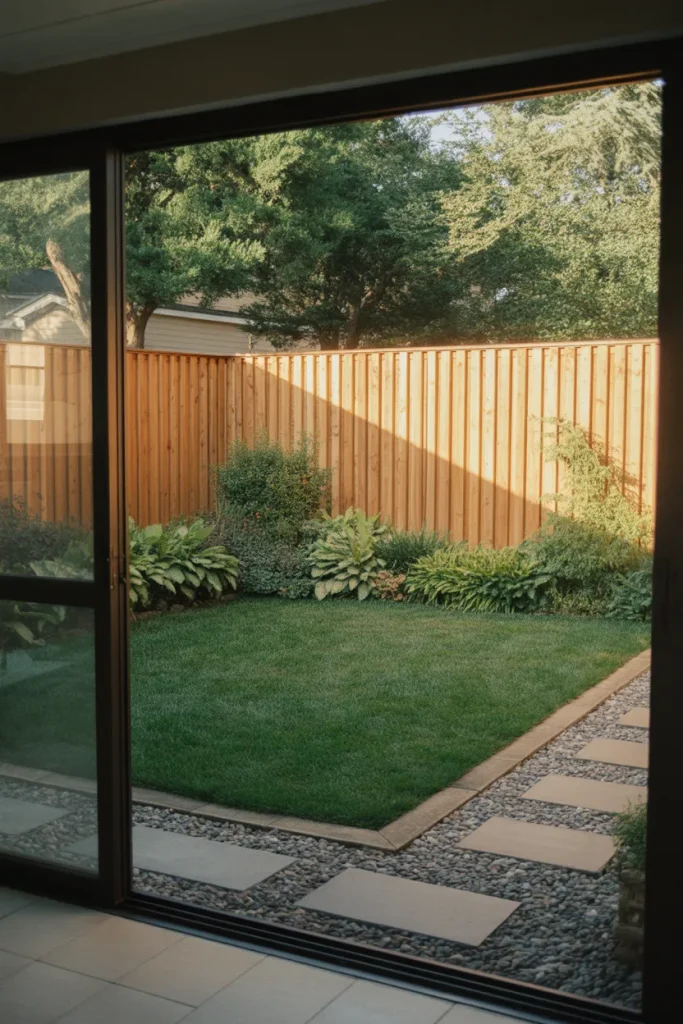 A well-designed fence can make a backyard both beautiful and dog-proof. By combining solid fencing with planted buffers, the yard feels enclosed but not boxed in. Green zones soften boundaries and protect planting from wear.
A common mistake is relying only on fencing for control. Adding visual buffers encourages calmer movement patterns and reduces stress for both pets and owners.
23 Luxury Backyard with Firepit and Pool View
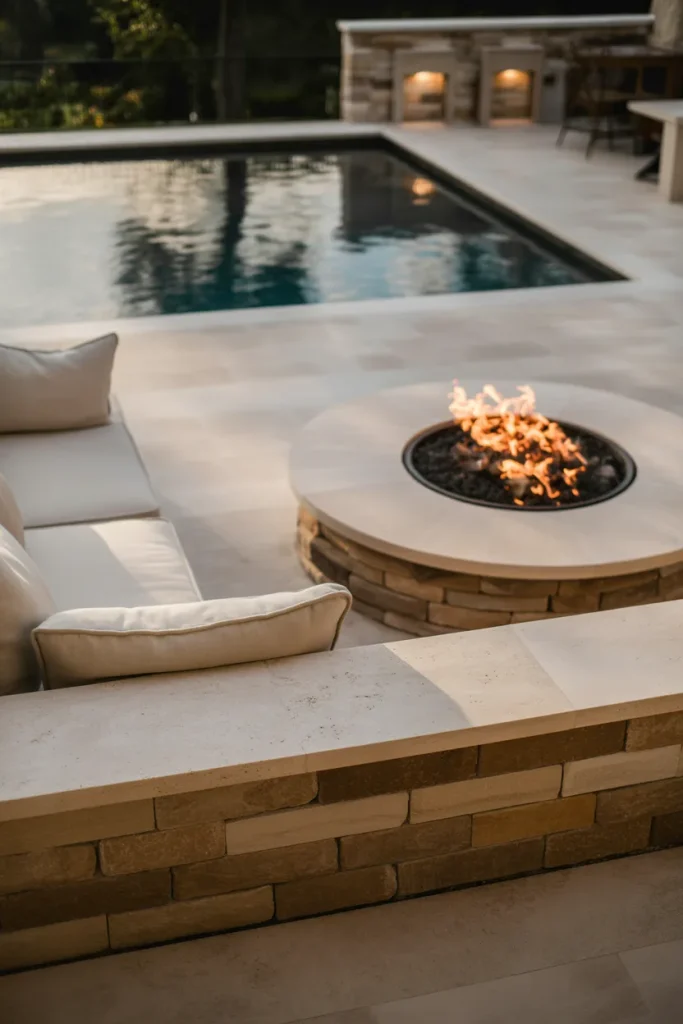 This luxury concept frames fire pits and water features as complementary elements rather than competitors. A low firepit positioned to overlook the pool creates an evening-focused space that feels intentional and serene, ideal for quiet gatherings.
Many homeowners notice this becomes their most-used spot after sunset. Positioning seating for views rather than symmetry encourages longer, more relaxed evenings outdoors.
24 Wooded Backyard with Natural Privacy Layers
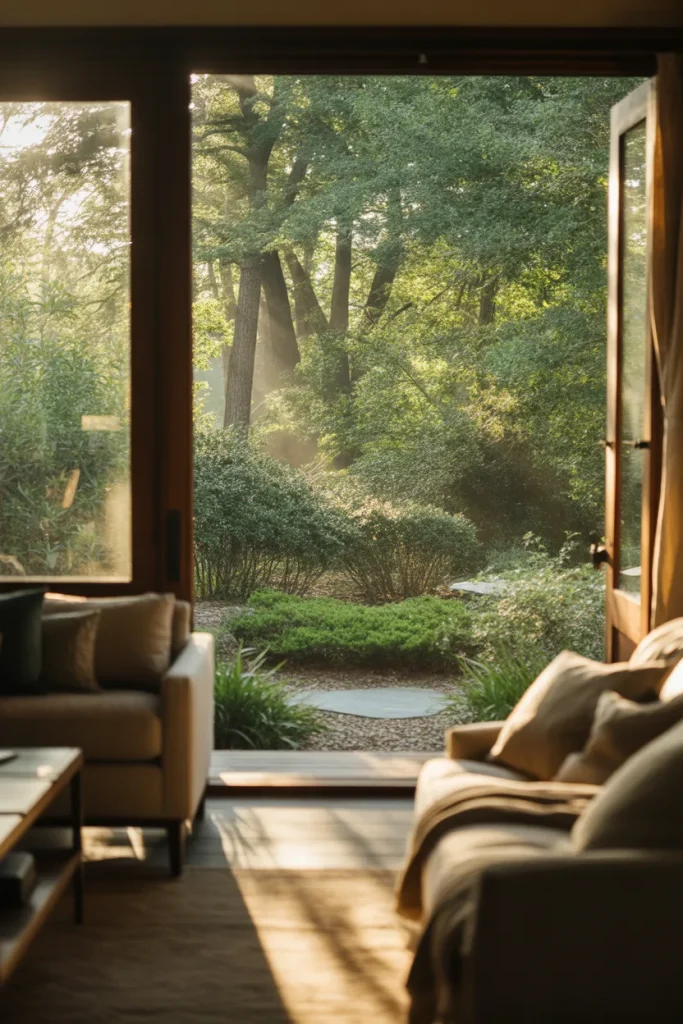 This approach to wooded backyards is made possible by using layered planting instead of structures. The depth and privacy that is created by the combination of shrubs, understory trees, and groundcover is tactile, yet the space is still visually open. The result is immersive and closely connected to the surrounding environment and calm.
Experts often warn against the removal of too many trees on wooded lots. There is a reason for this. The natural layers that are built up over time give and retain soil, reduce erosion, and support healthier plant growth long term.
25 Contemporary Backyards with Clean Fence Lines
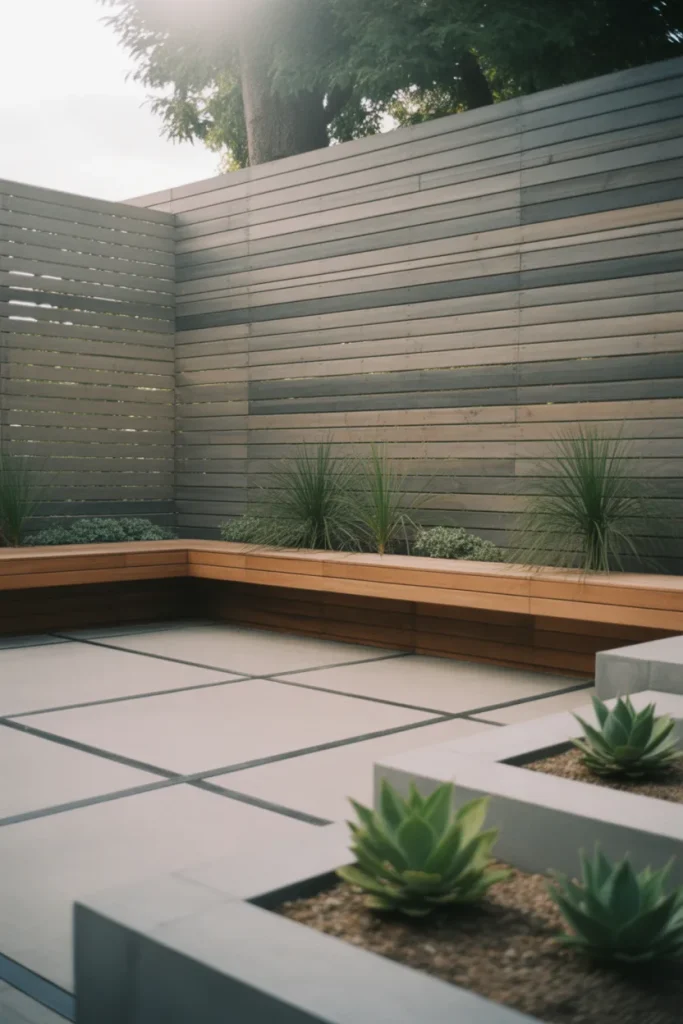 In this Contemporary idea, the Fence is a design frame rather than just a background element. The use of Clean lines, uniform materials, and neutral colors assist in visually organizing the yard, providing even the simplest layouts an enhanced, polished, and architectural appearance.
Too many fence styles is a recurring error. Using a single, uniform material and consistent height creates calm visual boundaries that help the entire yard feel more cohesive.
Backyard landscaping in 2026 speaks more to intention than to perfection. From slopes to tight budgets to open lawns, the best ideas fit how you actually live. What’s your favorite? What does your backyard need? Inspiration grows when we share.