By 2026 small houses, apartments, and condos will define how Americans live and how they store their belongings. On Pinterest, searches for smart storage solutions are increasing, as people want to remain organized without losing their sense of style. This article discusses storage innovations for better organized and compact living. You will find ideas and solutions that feel intentional and adaptable to your living space.
1 Hidden Bathroom Wall Storage
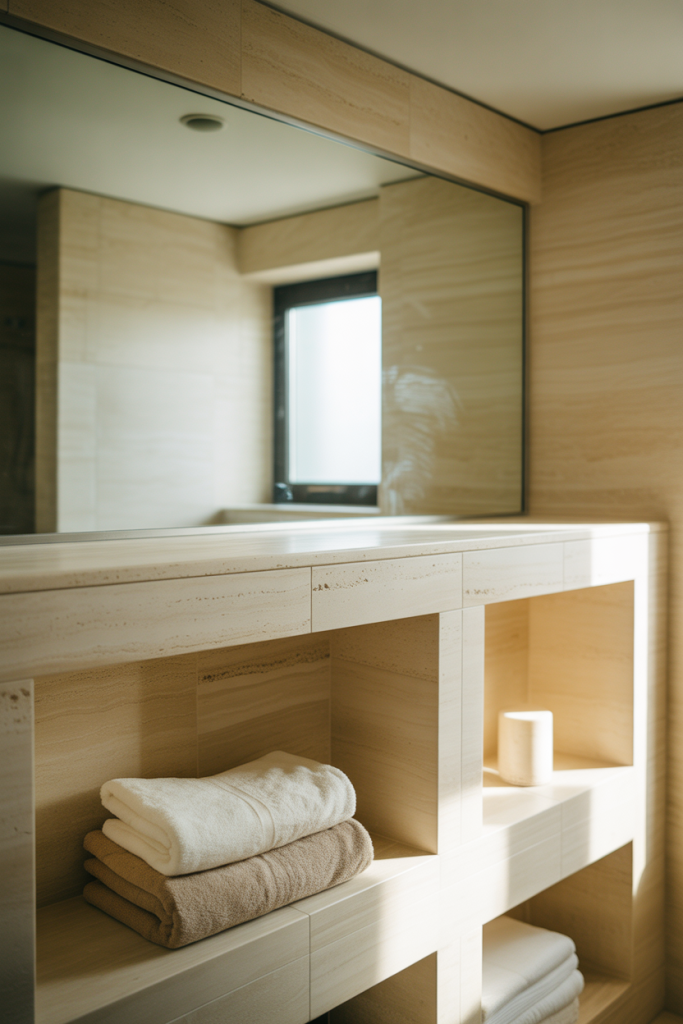 In compact homes, the bathroom often becomes cluttered first. Recessed niches and shallow wall cabinets built between studs create hidden storage without stealing visual space. These solutions work beautifully behind mirrors or inside shower walls, keeping daily essentials close while maintaining a clean, spa-like look that feels calm rather than crowded.
From a practical standpoint, wall-depth storage works best when planned during light renovations or refreshes. Measuring stud spacing carefully prevents wasted inches and awkward gaps. Waterproof finishes and proper ventilation are key so items stay clean and dry. Done right, this approach adds function without changing how the room feels.
2 Entryway Shoe Benches With Storage
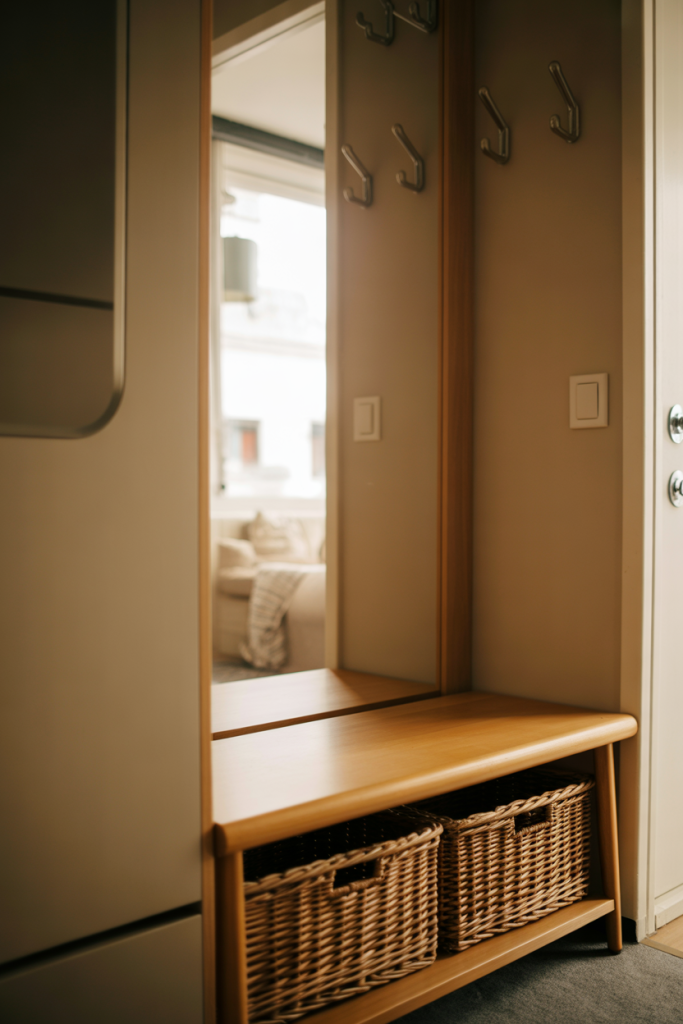 A narrow entryway doesn’t have to mean piles of shoe clutter. Benches with lift-up seats or cubbies offer smart storage while doubling as a landing zone for bags and coats. In a small apartment, this single piece often replaces multiple bulky items and sets the tone for an organized home.
This setup fits the American habit of removing shoes at the door, especially in urban areas and colder regions. Families appreciate having one defined drop zone that keeps dirt contained. When storage is built into furniture, the entry stays welcoming instead of chaotic.
3 Bedroom Closet Zones for Clothes
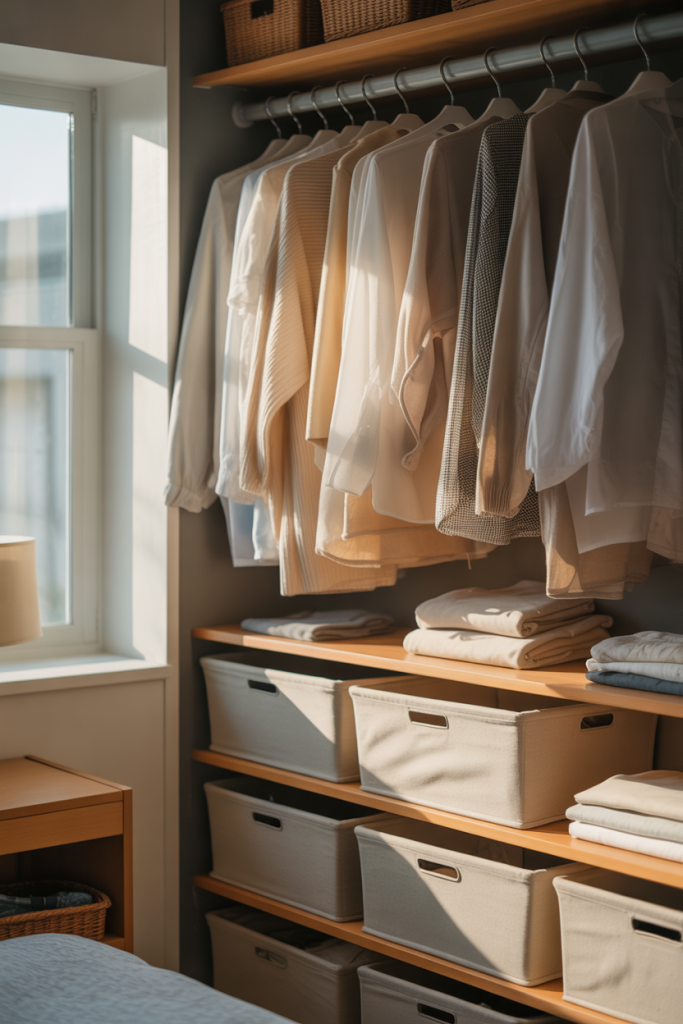 Small bedroom closets feel larger when divided into zones for clothes, accessories, and linens. Slim shelves, vertical rods, and fabric bins introduce a clever structure without custom carpentry. These fabric-based solutions are flexible, renter-friendly, and easy to adjust as needs change.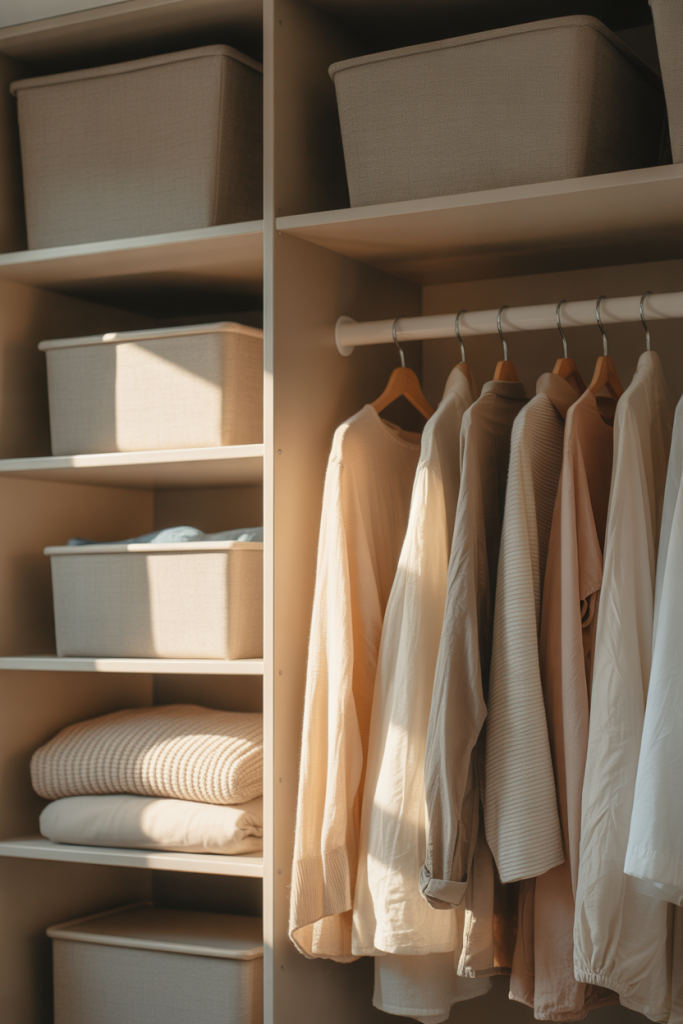
A designer’s trick is to treat closets like miniature rooms, assigning each section a clear purpose. Visual consistency—similar bins, matching hangers—makes the space feel intentional. This approach maximizes storage while keeping mornings calmer and faster.
4 Kitchen Pantries in a Corner
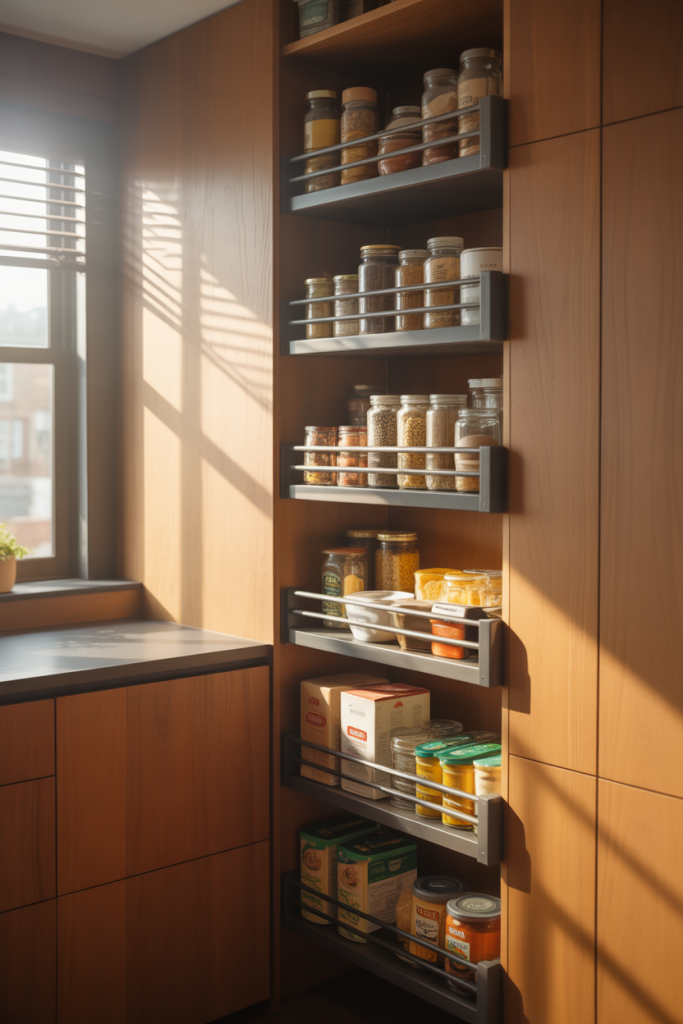 A kitchen pantry in a corner can be a daily game changer when space is tight. Vertical open racks or pull-out shelves organize food while keeping everything on display. This works in older spaces that lack full-size pantries.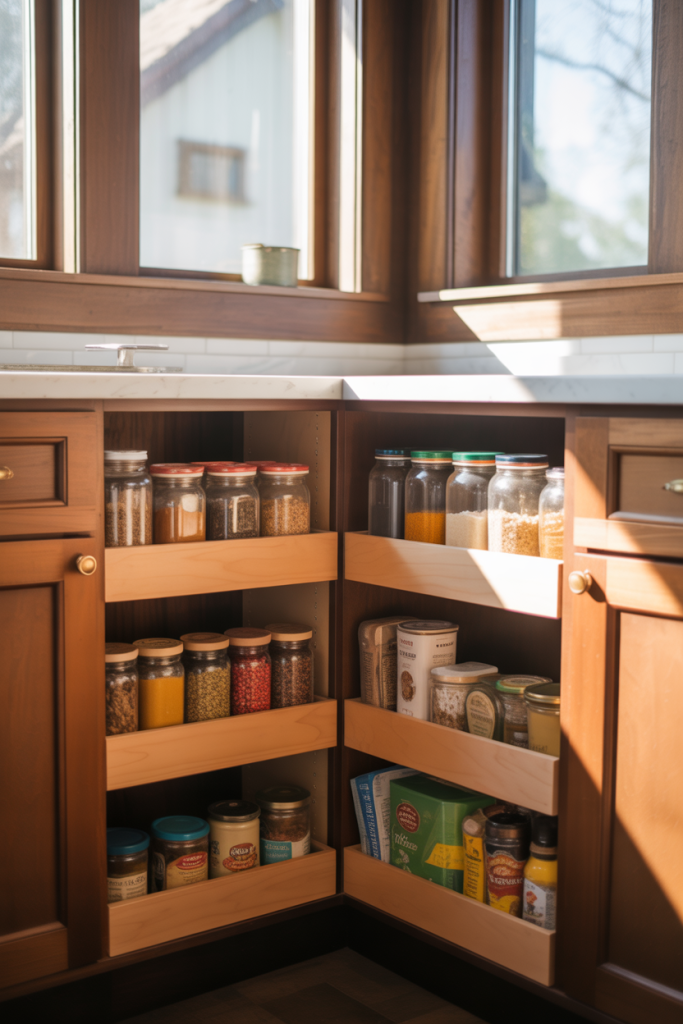
This is particularly useful in small suburban homes with galley kitchens. Vertical storage is ideal for these often underused spots. Eye-level access to frequently used items creates a seamless cooking experience.
5 Wall-Mounted Book Storage
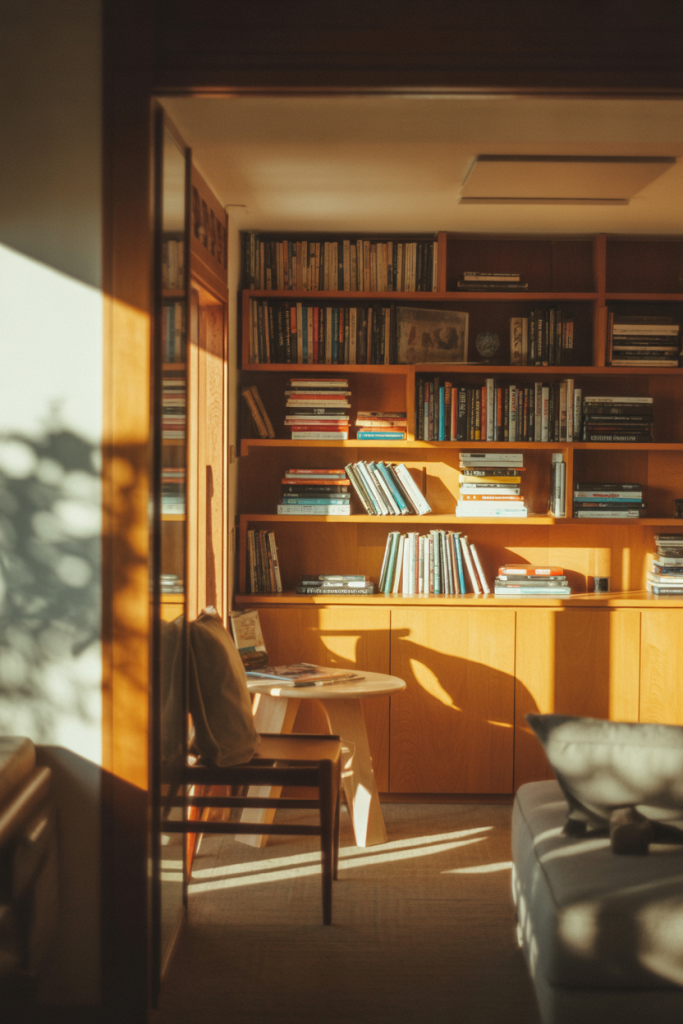 For readers short on floor space, Walled Book storage is a creative answer. With a little creativity, floating shelves, rail systems, or picture ledges can turn collections into décor. In small living rooms or home offices, books become part of the visual rhythm instead of clutter.
It is natural for people to style their bookcases by color or size. When shelves contain order, a small amount of whitespace helps avoid a full or cramped feeling. The result looks unique, not contrived.
6 Toy Storage Hidden in Furniture
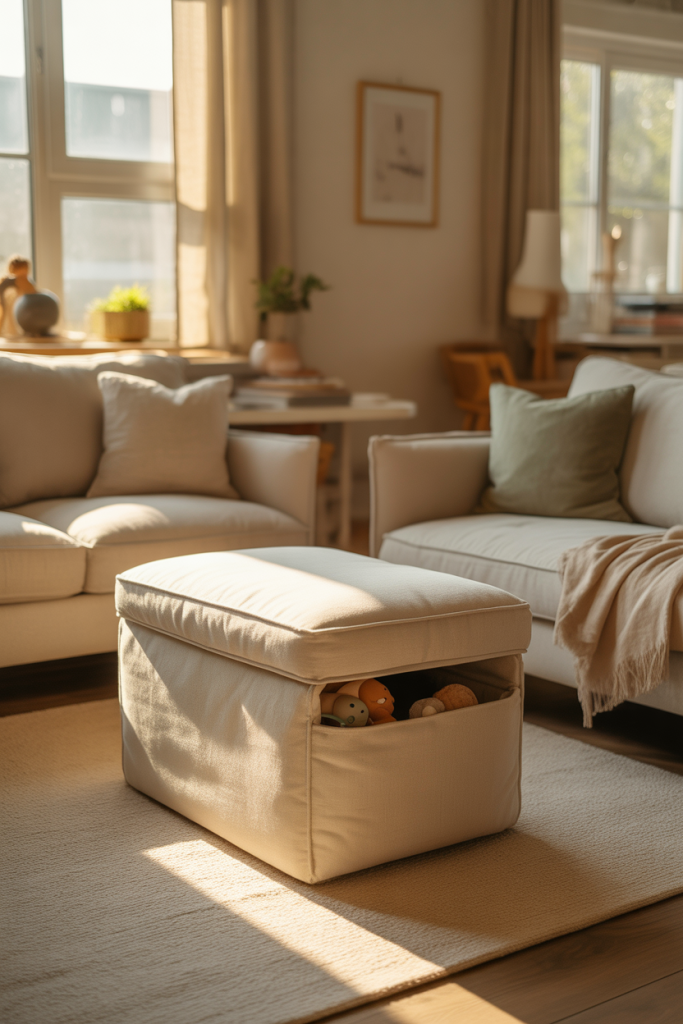 In family homes, concealed toy storage works best. Low cabinets, benches, and ottomans allow for easy access to out-of-sight clutter. This intelligent solution especially fosters flexibility in shared spaces. It is invaluable in open-plan arrangements where different functions are served by each area.
From a financial perspective, choosing a single piece of multifunctional furniture is often more affordable than purchasing multiple individual storage solutions. Over time, this approach creates simplicity and saves money and space by eliminating the need for excess baskets, bins, and shelves.
7 Craft and Office Wall Systems
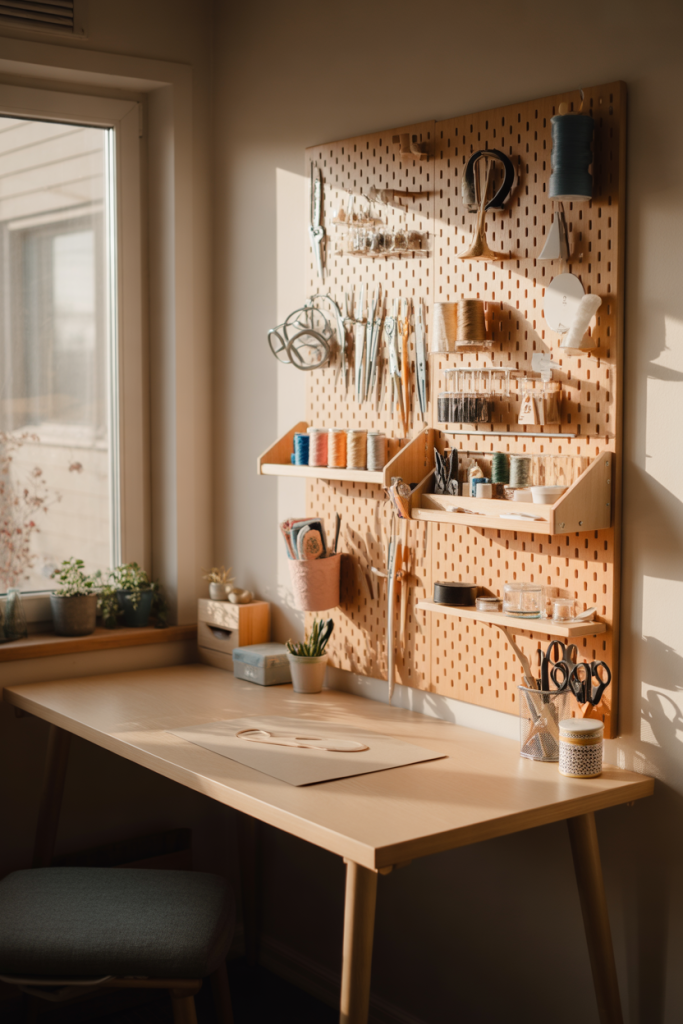 Vertical storage is beneficial for small craft or office areas as it keeps tools visible. Pegboards and modular rails create DIY arrangements that offer flexibility. In Minecraft, you can build anything. This same type of logic comes from the Minecraft style. It is customizable and can be expanded easily without taking over the room.
Hanging tools on walls is a great way to personalize a workspace, but it is important to leave spaces between tools. Tools should be grouped rather than crammed together to facilitate use and avoid a disorderly appearance. Sometimes, removing tools is more beneficial than adding tools.
8 Garage Corner Storage Towers
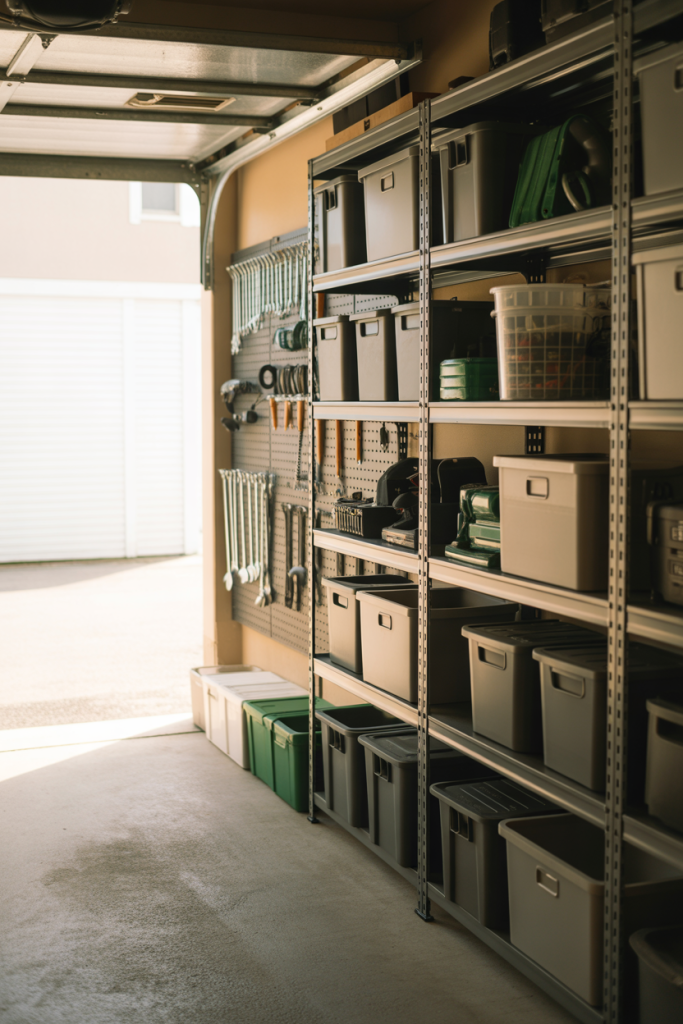 Even a compact garage can maximize storage with vertical corner usage. Slim shelving towers can be positioned to allow free walkways and can be used to store seasonal items and sporting equipment. This solution is particularly effective in townhomes, where garages are also used as storage spaces.
Most homeowners can tell a similar story: after installing corner storage, parking suddenly becomes easier. Removing large items from the floor makes the garage function better in every way, not just visually.
9 Under-Bed Drawer Storage
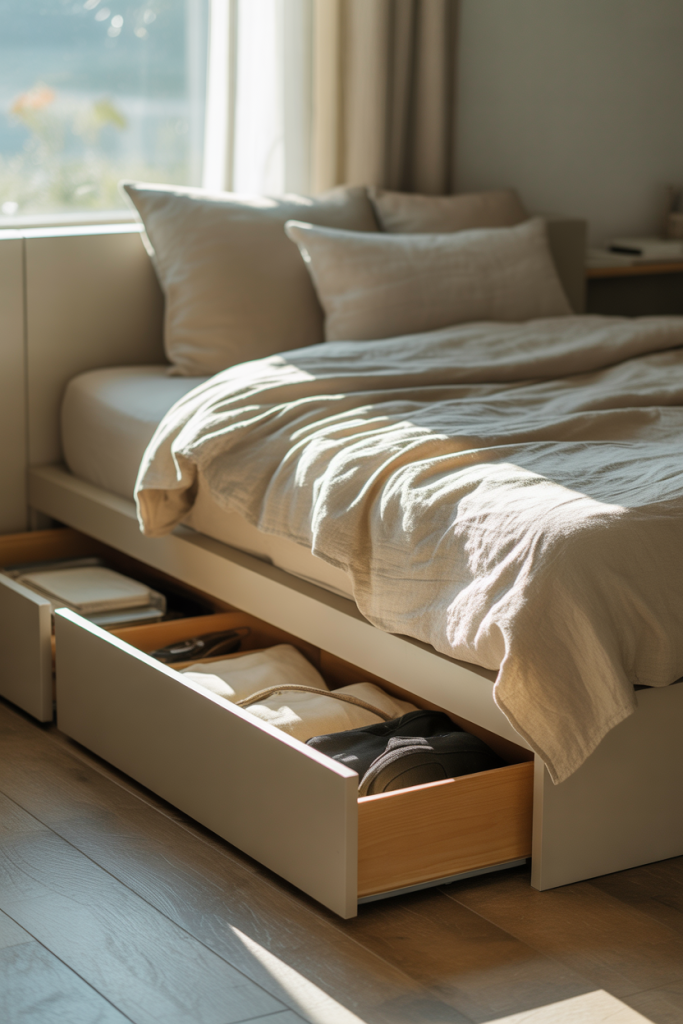 The area under the bed is often used to store items in small bedrooms. Organizing out-of-season clothing or extra linens becomes easier with low-profile drawers or rolling bins, and a cluttered appearance is avoided. This is especially ideal for minimalist spaces, where more furniture would create a feeling of overwhelm.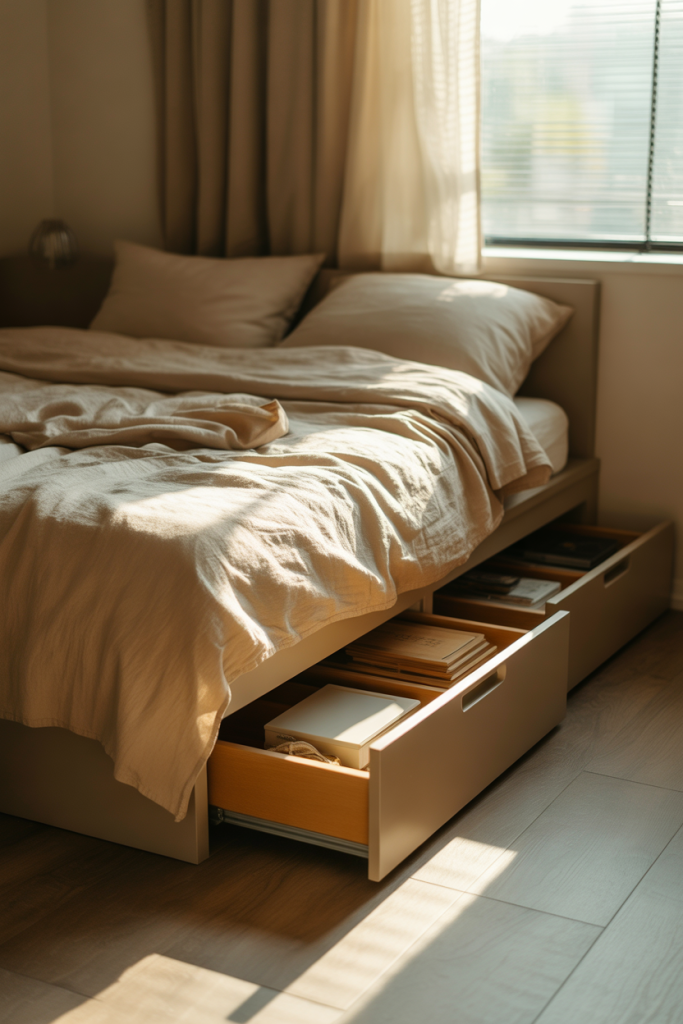
The best option for apartments with space-restricted closets is to use drawers on wheels. They are easy to move over carpet, and you can simplify organization by making each drawer designated for a particular purpose. This system prevents the area below the bed from becoming a neglected space with a lot of forgotten clutter.
10 Slim Pantries Behind Kitchen Doors
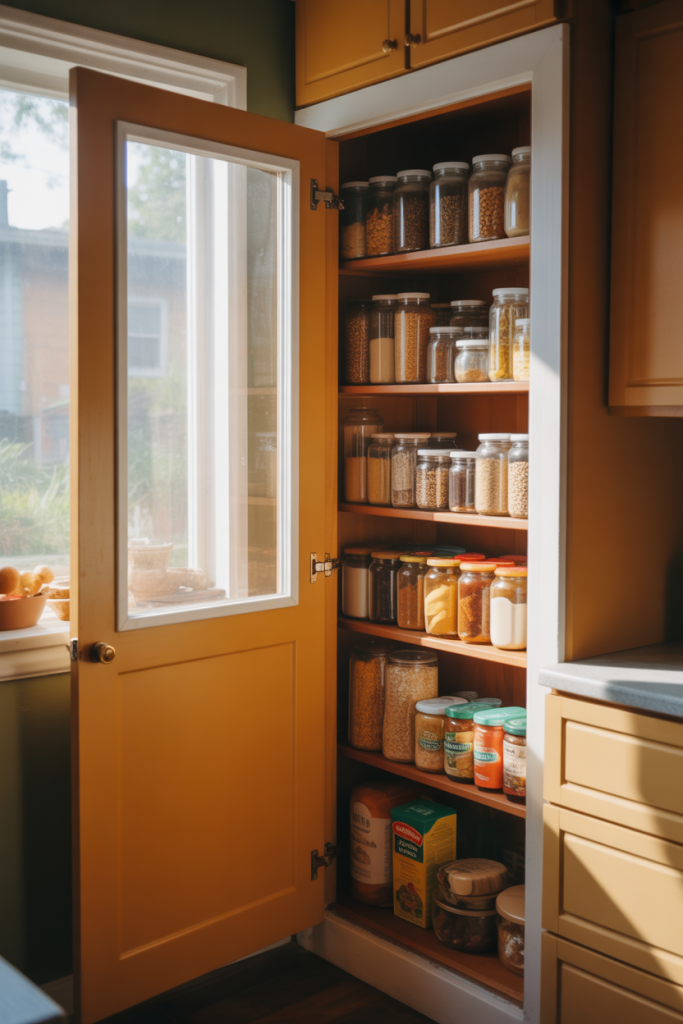 A small pantry behind a kitchen door can store small food items and other necessities. Shelves can transform the door into storage for items such as spices and other quick items. This solution is nice for people with kitchens that are short on shelving.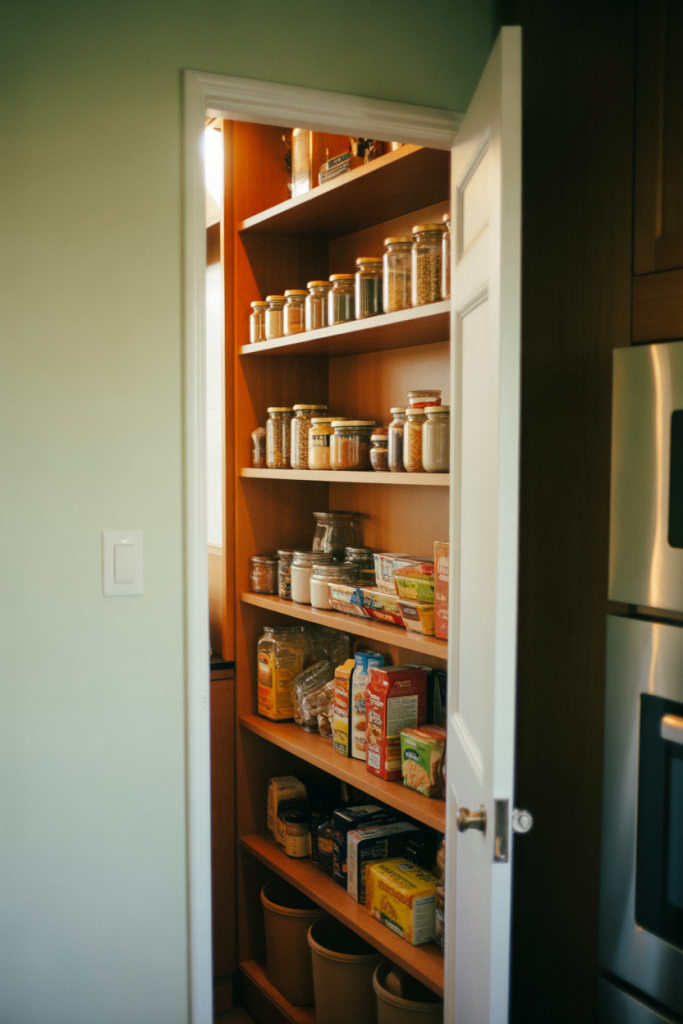
In terms of practicality, control of depth is the most important factor. Deep racks cause doors to jam and things to fall out. Shallow storage is faster and keeps things visible, making restocking easier.
11 Vertical Closet Shoe Columns
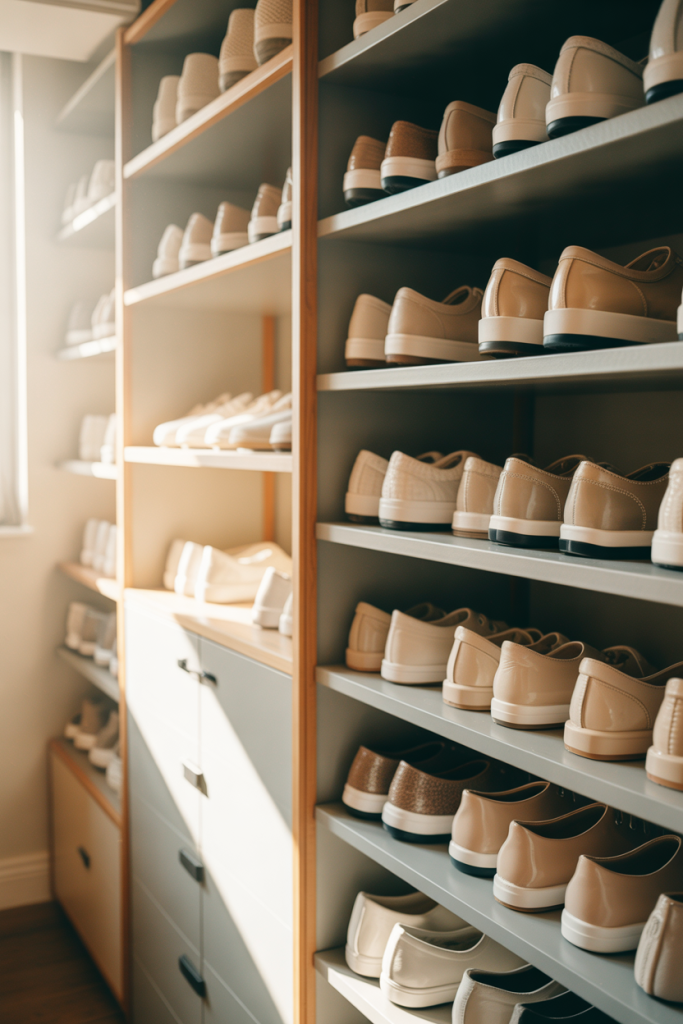 Instead of spreading shoes on the floor, you can use vertical shoe columns in a closet. Thin shelves arranged vertically keep the closet looking nice, and even narrow closets feel more planned out. This concept works well with streamlined wardrobes or capsule wardrobes.
Homeowners report that restricting each individual to one vertical slot keeps the overall clutter down. When space is defined, superfluous shoes begin to vanish. The closet is easier to keep up, requiring no more frequent reorganization.
12 Bathroom Over-Toilet Cabinets
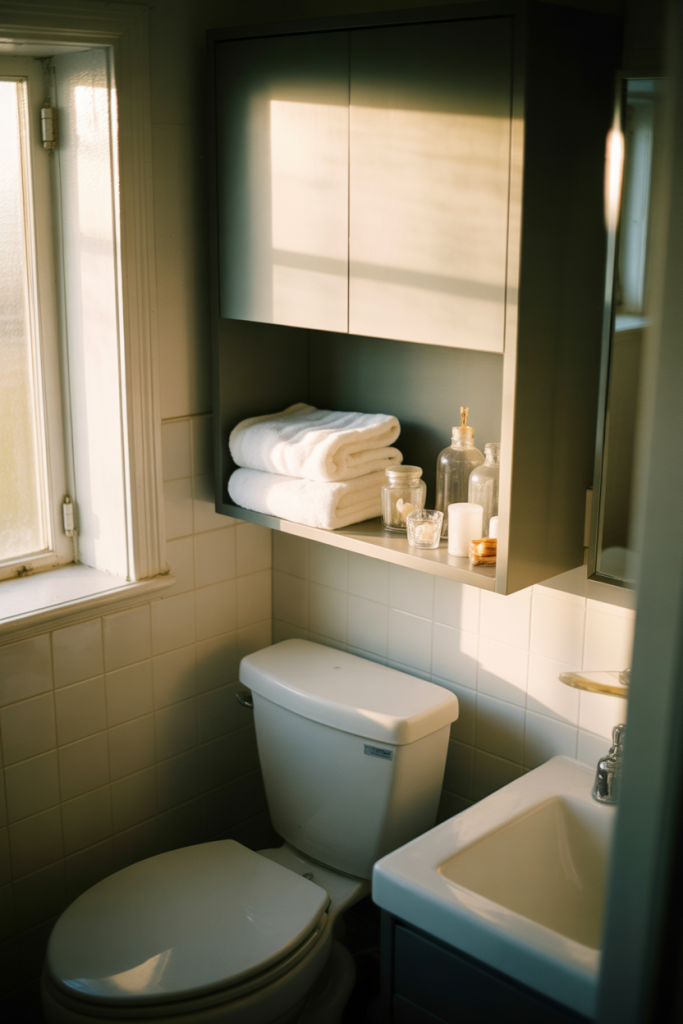 In small bathrooms, the space above the toilet is generally left empty. Using slim over-toilet cabinets or open shelves adds storage that is more wall-based rather than floor-based. This clever solution keeps toiletries within reach while saving floor space.
An expert tip is to select shallow depths and light finishes. When choosing cabinetry, a shallow depth is preferred to avoid visually lowering the ceiling. Keeping the design open and light maintains balance while adding much-needed storage.
13 Entryway Wall Hooks and Bins
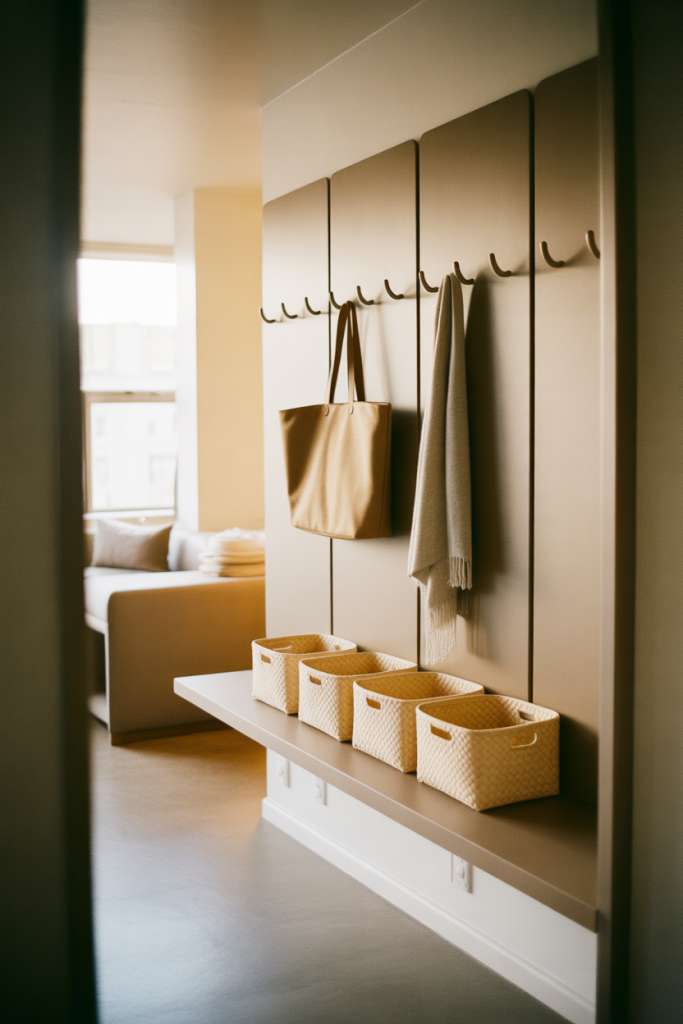 A small entryway benefits from creative combinations of hooks and bins mounted to the wall. Coats, bags, and daily essentials stay visible yet controlled. This approach works especially well in apartments where full closets aren’t available.
In many American homes, this setup reflects real behavior: items land where they’re dropped. Designing for that habit—instead of fighting it—keeps the space consistently tidy.
14 Fabric Storage in Living Areas
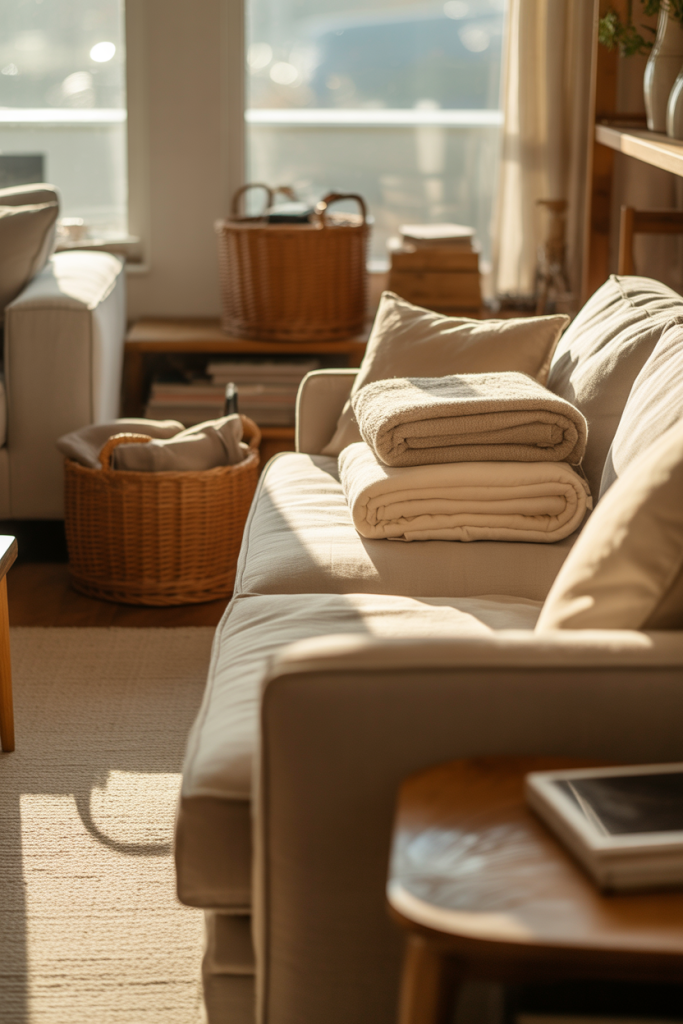 The Soft Fabric Baskets add a textured touch while managing clutter. Their fabric design allows hidden storage for throws, toys, and magazines and is ideal for flexible apartment living, where furniture arrangements often change.
Versatility also grants budget savings. Instead of buying different storage solutions for each room, one basket can be used in multiple spaces as needs change.
15 Small Office Nooks: Oh, the Mini Corner Desk Storage
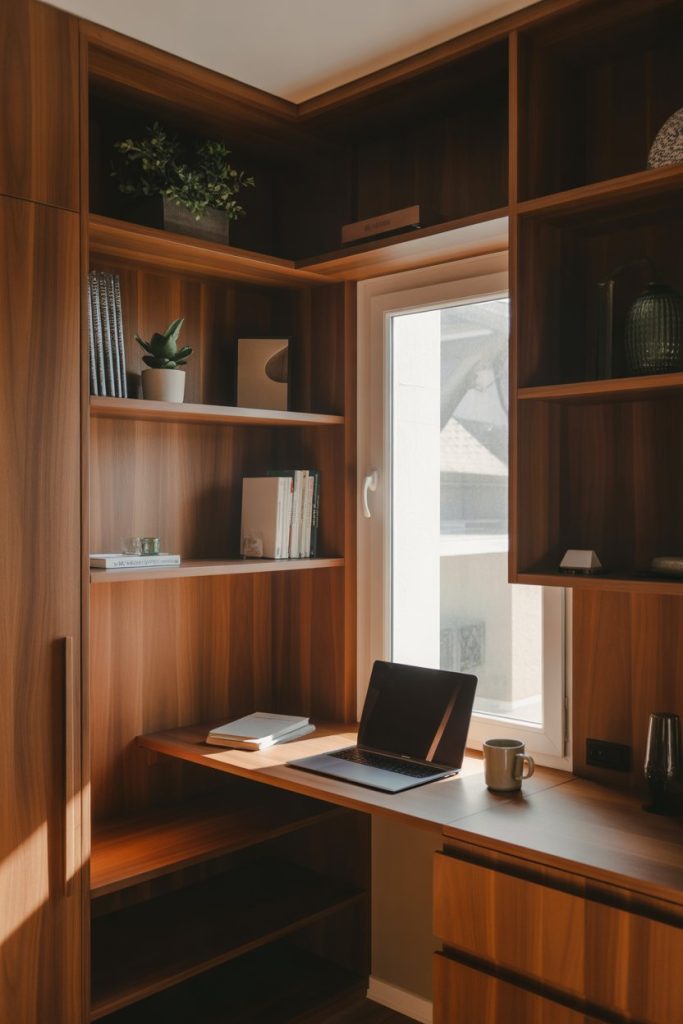 Built-in shelves on a corner desk make the most of small office furniture combinations. Clear leg space and vertical storage layout keep extra supplies organized. This design is great for remote work and living space combos.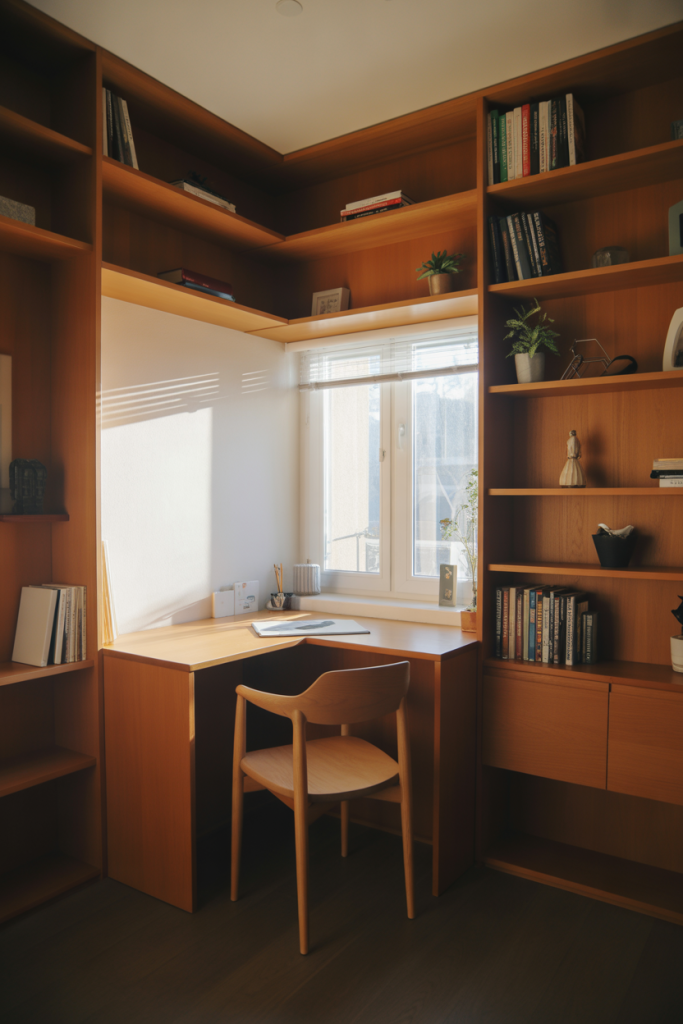
This is especially useful in bedrooms or living rooms that serve double purposes. Work can be tucked into a corner so that the remaining part of the room is unobtrusive after work.
16 Toy Storage Under Seating
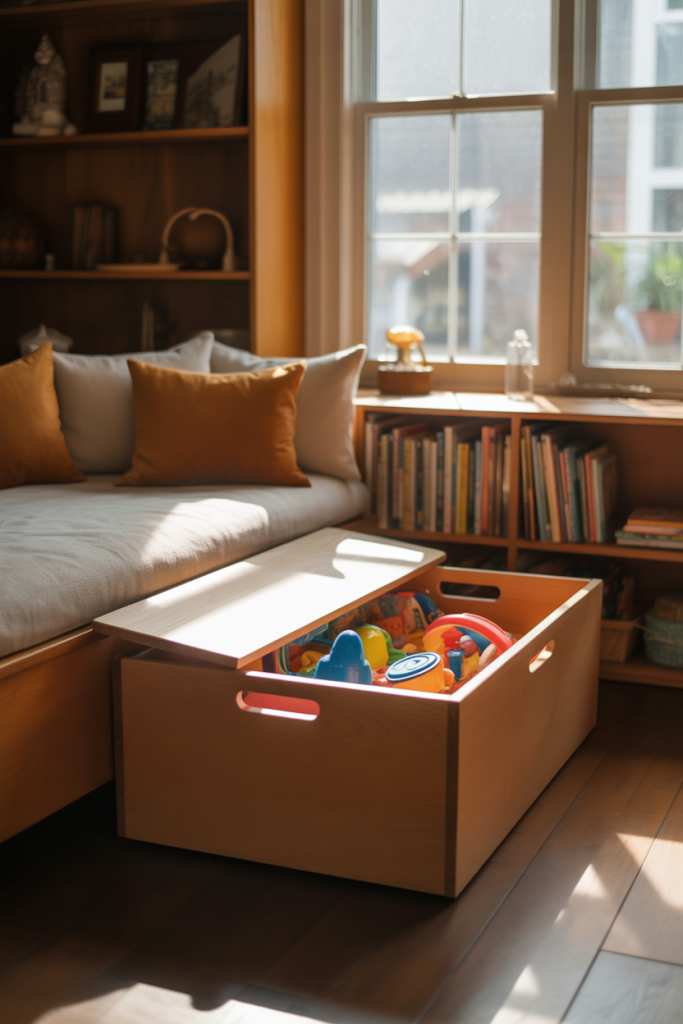 Bench seating with lift-up compartments offers concealed toy storage that integrates into family rooms. Children can get to their toys, and adults get to have a room that looks organized. This innovative design offers a straightforward way to keep toys and make picking them up easy.
One frequent error made is to fill the bench completely. Leaving some space can help children to make a habit of putting things away. This makes it easier for children to help themselves.
17 Creative Craft Closet Conversions
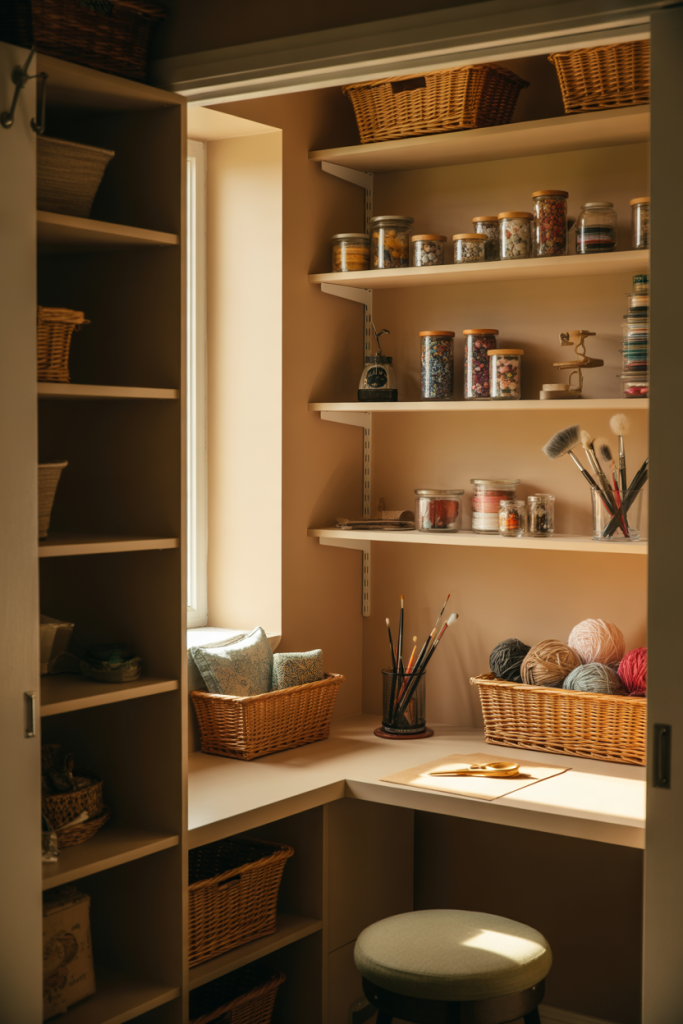 Using a small closet to create a craft zone is an example of clever design that provides new storage options without needing extra furniture. Organizing craft materials into shelving units, pegboards, and bins can help keep them accessible and contained. Closed doors can hide the mess when creativity is on pause.
This configuration often makes homeowners say that the setup motivates them to utilize the space more often. When all the craft materials are organized and ready, it provides an easier starting point for projects and makes them less likely to be overwhelming.
18 Garage Wall Rails for Tools and Food Storage
 In small homes, the garage often serves more purposes than just housing cars. Tools and sealed food containers can be stored on wall-mounted rails as a smart way to keep items organized. This system also keeps things off the floor and maintains easy access to them.
An expert recommendation is to group items by frequency of use. Daily tools stay at eye level, seasonal supplies higher up. This simple logic keeps the garage functional year-round.
19 Slim Wall Cabinets for Small Kitchens
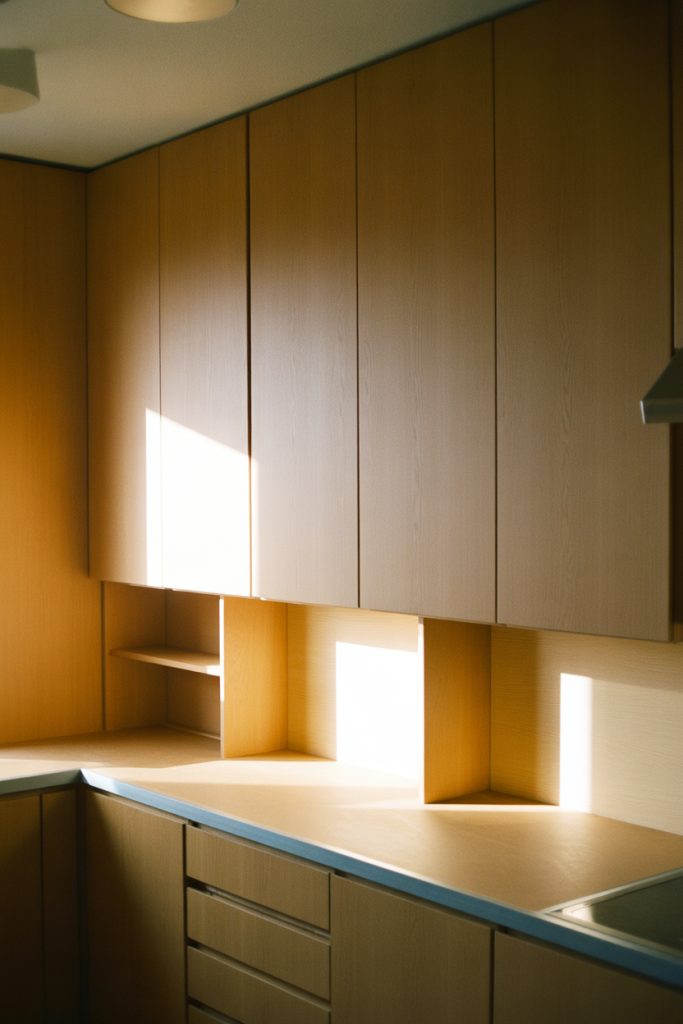 In compact layouts, kitchen walls often hold untapped potential. Slim, vertical cabinets provide smart storage for dishes, spices, or dry food without overwhelming the room. Mounted higher on the wall, they keep countertops clear while visually elongating the space.
A practical insight here is depth control. Cabinets under 12 inches deep feel lighter and prevent head bumps in tight kitchens. Using lighter finishes or glass fronts also keeps the room from feeling boxed in.
20 Closet Door Storage for Accessories
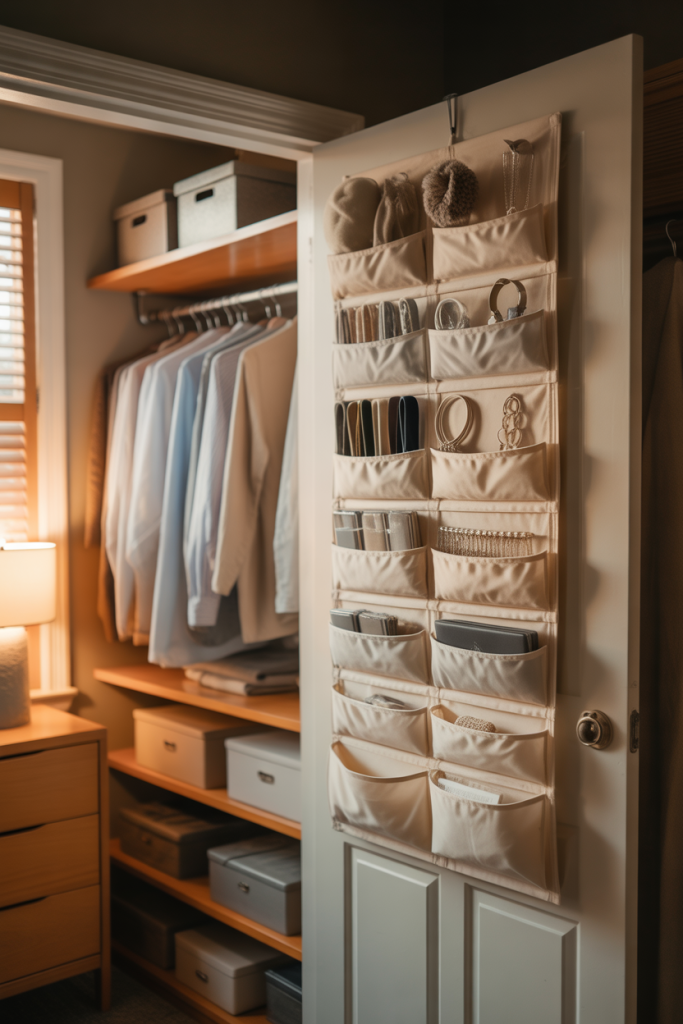 The inside of a closet door is perfect for clever storage that often goes unused. Hanging organizers hold shoes, scarves, or small clothes accessories while staying visually quiet. This solution works especially well in rental apartments.
Many homeowners notice that once door storage is added, drawers get less cluttered. Frequently used items stay visible and accessible, which naturally improves daily routines.
21 Hidden Storage Behind Bedroom Headboards
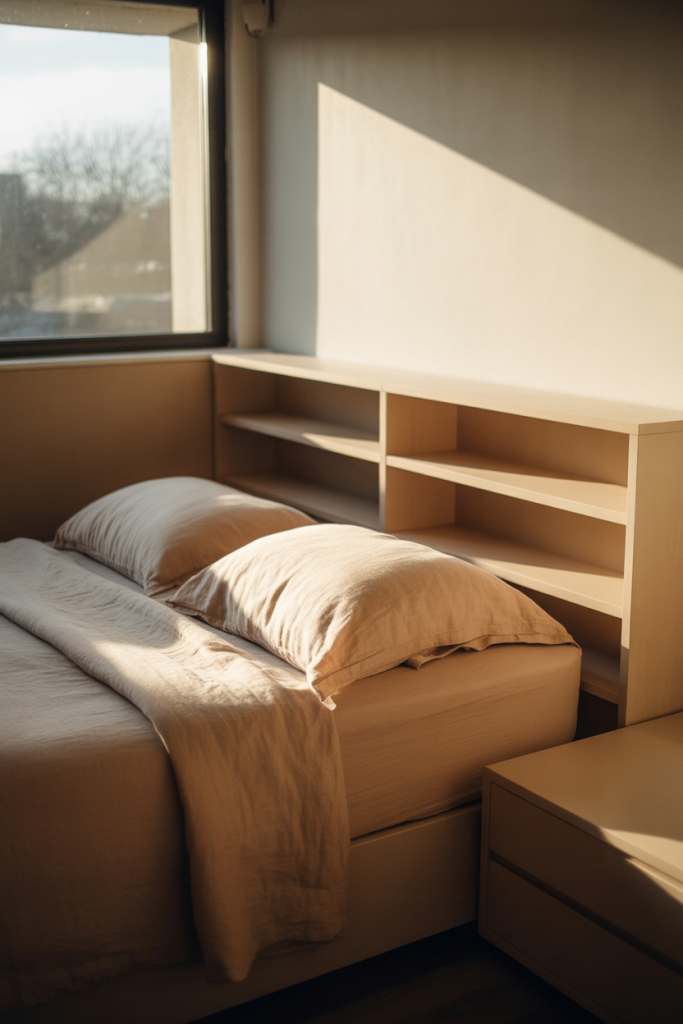 A headboard with hidden storage compartments adds function to a small bedroom. Its shallow shelves and lift-up panels are perfect for books, chargers, and personal items without the bulk of extra furniture. It’s a one-of-a-kind option for spaces where bedside tables can’t be used.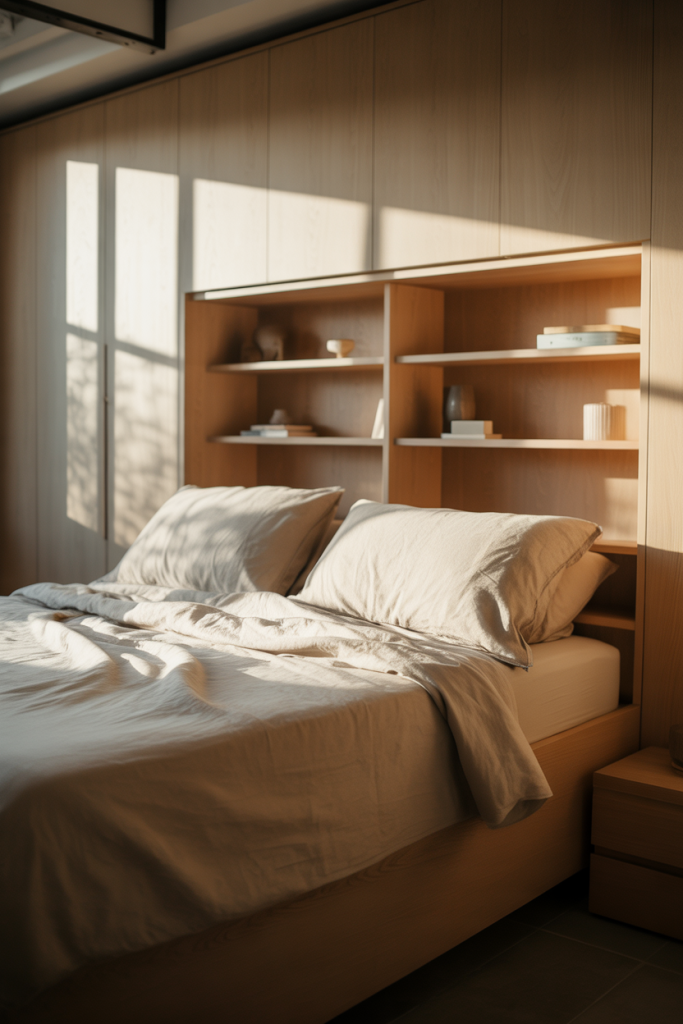
It also works well in small bedrooms with little available wall space. Handy storage near the bed minimizes clutter and enhances the calming and purposeful nature of winding down for the night.
22 Creative Wall Storage for Home Offices
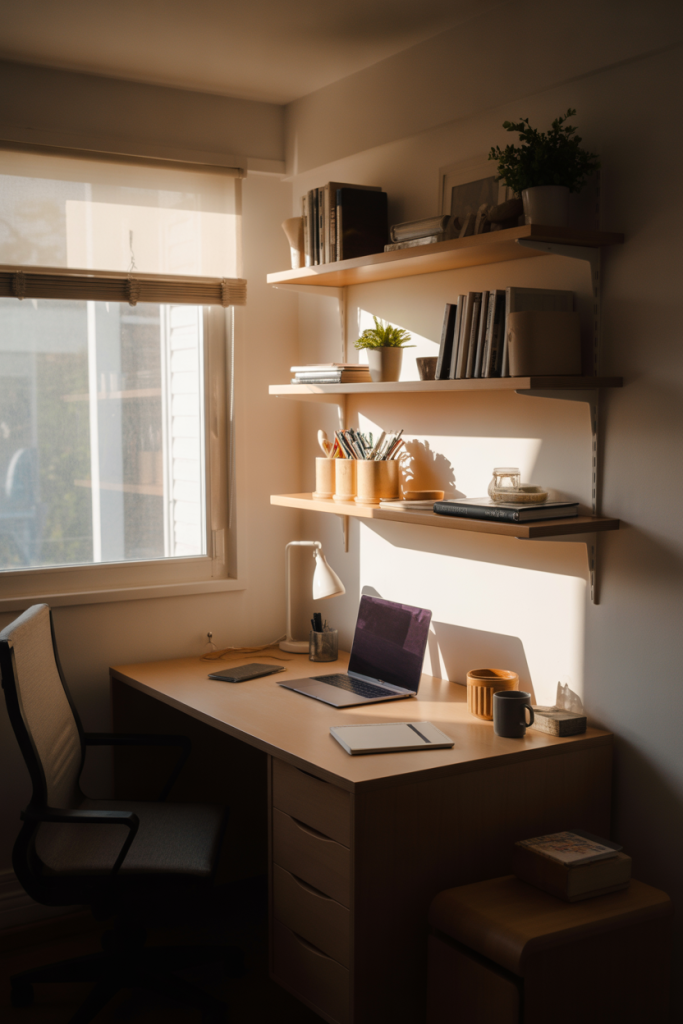 Creative wall-mounted shelves and rails are good for compact offices. Books, supplies, and decor are off the desk, and the work area is clear. This solution is ideal in spaces where the work area must also function as a living space.
An expert-style note: mixing open and closed storage keeps the wall from looking busy. Display what inspires you and hide the rest. Balance is what makes the setup sustainable long-term.
23 Toy Storage Built Into Shelving Units
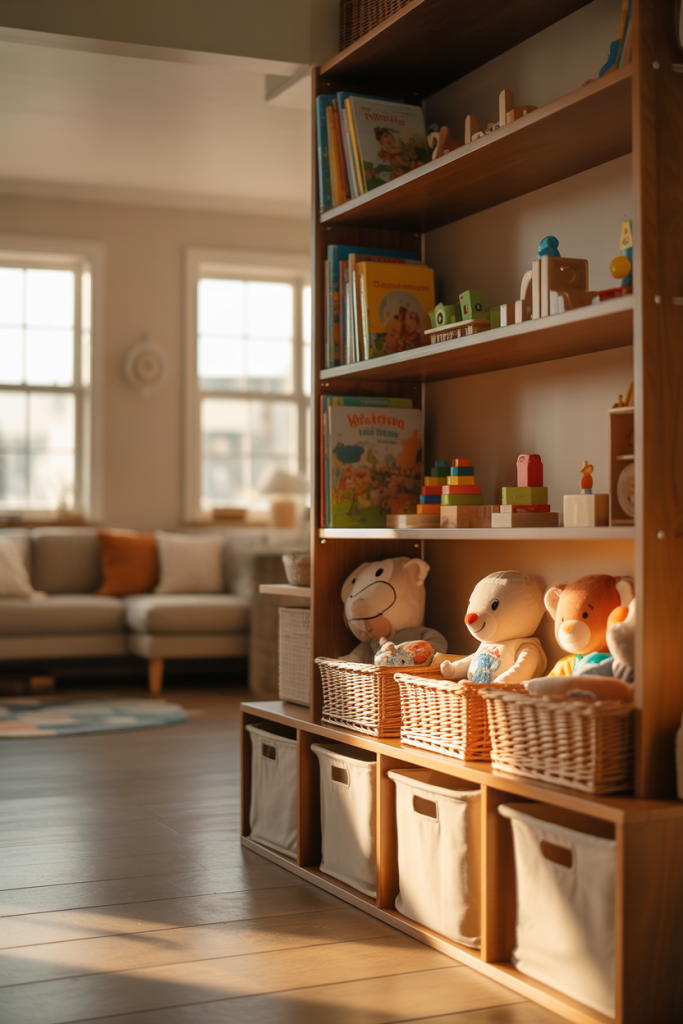 Open shelving and lower cubbies offer adaptable, flexible toy storage that grows with the kids. Cubbies with bins keep toys contained, yet visible. This clever solution fits seamlessly into living rooms or play corners.
A common mistake is assigning too many categories. When kids can easily scoop up toys into a few broad bins, cleanup is easier, and adults are less frustrated when trying to maintain a toy collection.
24 Pantry Storage Using Fabric Bins
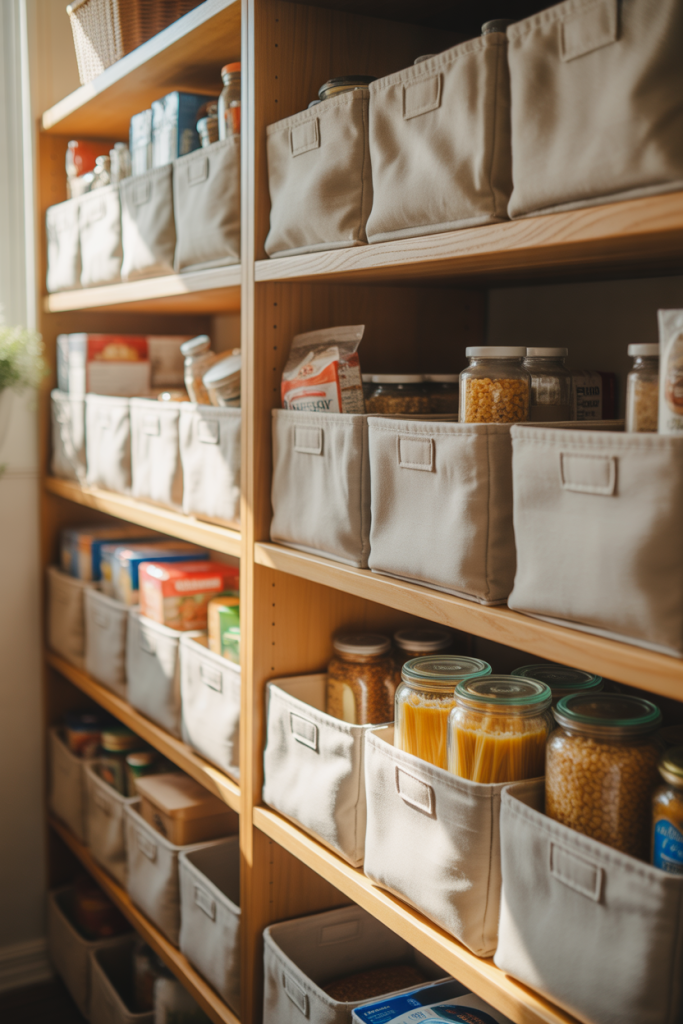 Flexible, soft fabric bins are a good fit for a small pantry. They keep food storage options open and prevent adaptive strategies from turning too organized. This functional setup is ideal for shallow cabinets or open shelving.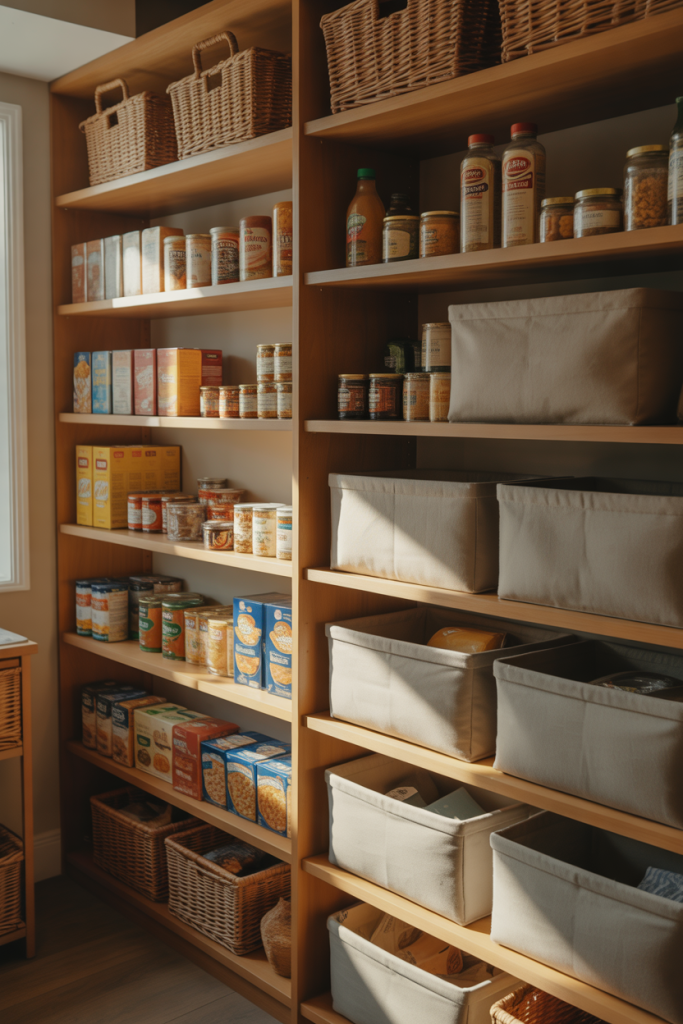
From a budget perspective, fabric bins are inexpensive, and their replaceable nature means shoelaces can be organized and altered without long-term shelving changes.
25 Garage Ceiling Storage Racks
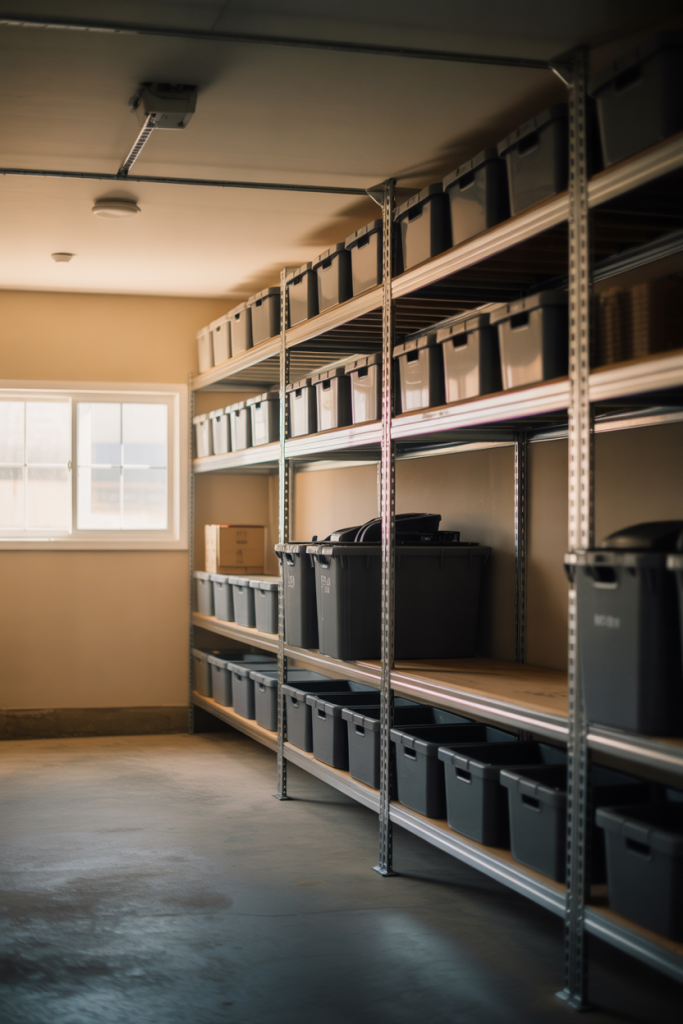 When floor space is running low, ceiling racks offer smart storage for the garage. Seasonal items can be accessed without being in the way. This solution keeps garages functional without being cluttered. Homeowners tend to mention the garage becoming usable again as the biggest mental benefit of this type of project. Once bulky items move overhead, the garage can be used for parking, projects, or just to have more room to breathe.
Living in a small space doesn’t mean giving anything up — it simply asks for smarter choices. Thoughtful storage turns everyday routines into something calmer, lighter, and more intentional, where every item has a place and the home feels easier to live in. If one of these ideas sparked inspiration, share how you’d adapt it for your own space — your approach might be exactly what someone else has been searching for.
Thoughtful decisions are often rewarded in small spaces. If one of these ideas or concepts inspired you, tell us how you would modify it for your home. Your experience might help someone else solve their storage challenge.